
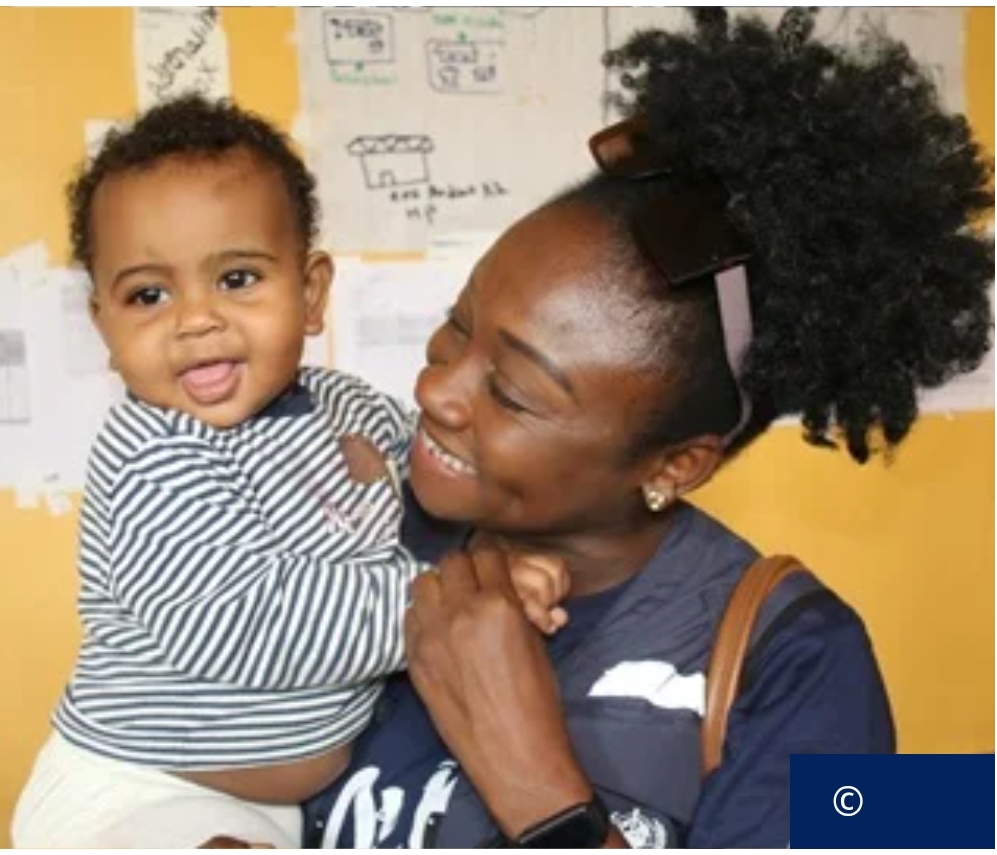
WHO Prequalifies First Malaria Treatment for Newborns, Introduces Advanced Diagnostic Tests.
Geneva:
In a major breakthrough in the global fight against malaria, the World Health Organization (WHO) has prequalified the first-ever malaria treatment specifically designed for newborns and young infants, alongside approving new diagnostic tools to improve detection of the disease.
The announcement, made ahead of World Malaria Day, marks a critical step toward addressing long-standing gaps in malaria care, particularly for the most vulnerable populations.
First Treatment Tailored for Infants
The newly prequalified medicine, Artemether-lumefantrine, is the first formulation developed specifically for infants weighing between two and five kilograms. Until now, malaria treatment in newborns relied on medicines designed for older children, increasing the risk of incorrect dosing, side effects, and toxicity.
WHO’s prequalification confirms that the drug meets international standards of quality, safety, and efficacy, enabling governments and public health agencies to procure it for widespread use. The move is expected to benefit nearly 30 million babies born each year in malaria-endemic regions, particularly across Africa.
Speaking on the development, WHO Director-General Tedros Adhanom Ghebreyesus emphasized that recent innovations—including vaccines, improved diagnostics, and next-generation mosquito nets—are helping shift the trajectory of malaria control. He stressed, however, that sustained political will and funding remain essential to eliminate the disease.
New Diagnostic Tests to Address Detection Gaps
In addition to the treatment breakthrough, WHO on April 14, 2026, prequalified three new rapid diagnostic tests (RDTs) designed to overcome emerging challenges in malaria detection.
Traditional RDTs detect the HRP2 protein produced by the Malaria parasite Plasmodium falciparum. However, studies across 46 countries have found that some parasite strains lack the gene responsible for producing this protein, making them undetectable by existing tests and leading to false-negative results. In parts of the Horn of Africa, up to 80% of cases have reportedly been missed due to this issue.
The newly approved tests instead target an alternative protein known as pf-LDH, which the parasite cannot easily eliminate. WHO now recommends that countries transition to these new tests when more than 5% of malaria cases are missed due to HRP2 gene deletions, ensuring more accurate diagnosis and timely treatment.
Global Fight Faces Challenges Despite Progress
The announcement comes as part of the 2026 World Malaria Day campaign, themed “Driven to End Malaria: Now We Can. Now We Must,” urging renewed global commitment to eradicate the disease.
According to the WHO’s World Malaria Report 2025, an estimated 282 million malaria cases and 610,000 deaths were recorded in 2024—an increase compared to the previous year. While 47 countries have been declared malaria-free and 37 reported fewer than 1,000 cases, overall global progress has slowed.
Key challenges include drug resistance, insecticide resistance, diagnostic failures, and declining international funding. Nevertheless, significant achievements have been made since 2000, with approximately 2.3 billion infections prevented and 14 million lives saved worldwide.
Currently, 25 countries are rolling out malaria vaccines, and next-generation mosquito nets account for 84% of newly distributed nets—highlighting the impact of coordinated global efforts.
Health experts say the latest advancements in treatment and diagnostics could play a pivotal role in protecting vulnerable populations and reinvigorating efforts to eliminate malaria worldwide.