
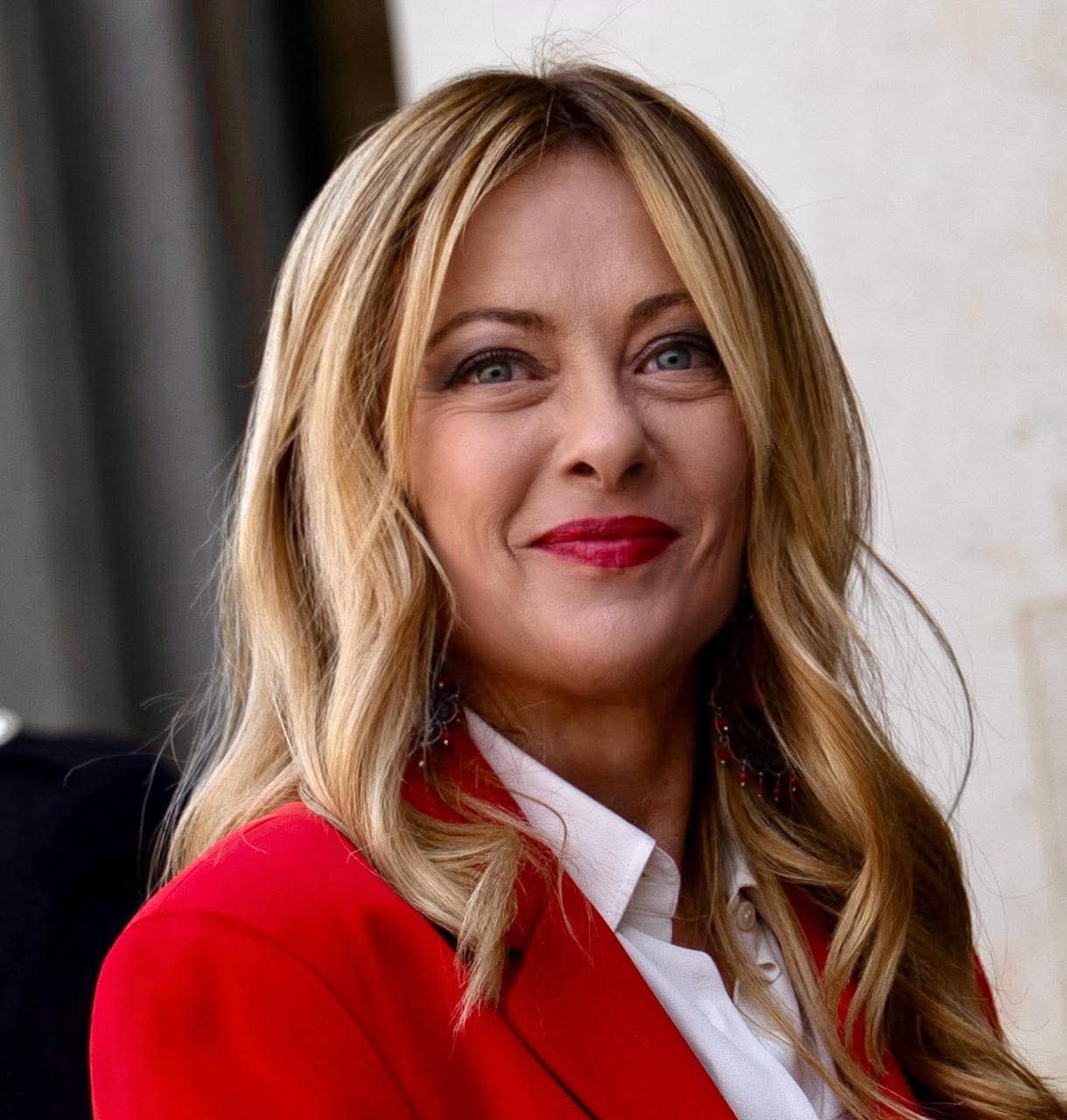
Italian PM warns of deepfake threat after AI-generated images circulate online.
Rome:
Italian Prime Minister Giorgia Meloni has issued a strong warning about the growing dangers of artificial intelligence after a series of fabricated images depicting her began circulating online.
In a public statement, Meloni revealed that multiple AI-generated photos falsely portraying her have been created and distributed, allegedly by political opponents seeking to spread misinformation. While she acknowledged—with a touch of irony—that some of the manipulated images appeared to “improve” her appearance, she emphasized the seriousness of the issue.
“These tools are being used to attack, to invent falsehoods, and to manipulate reality,” she said, underscoring how rapidly evolving AI technologies are being weaponized in the political sphere.
Meloni stressed that the problem extends far beyond her personal experience. As a public figure with access to resources and visibility, she said she is in a position to defend herself. However, she warned that ordinary citizens may not be as equipped to respond to such attacks.
“The issue is not just about me. Deepfakes are dangerous because they can deceive, manipulate, and harm anyone,” she stated.
Her remarks come amid growing global concern over the misuse of AI-generated media—commonly known as deepfakes—which can convincingly alter images, videos, or audio to depict events that never occurred. Experts have warned that such content poses risks to democratic processes, public trust, and individual reputations.
Calling for greater public awareness, Meloni urged citizens to adopt a more cautious approach to online content. “A simple rule should always apply: verify before believing, and think before sharing,” she said.
She concluded with a broader warning about the societal implications of unchecked misinformation: “Today it happens to me; tomorrow it could happen to anyone.”
The incident adds to increasing calls across Europe and beyond for stricter regulation of artificial intelligence and stronger safeguards against digital manipulation.