India Advocates Ethical and Inclusive AI in Healthcare, Calls for Global Collaboration: J.P. Nadda.
New Delhi:
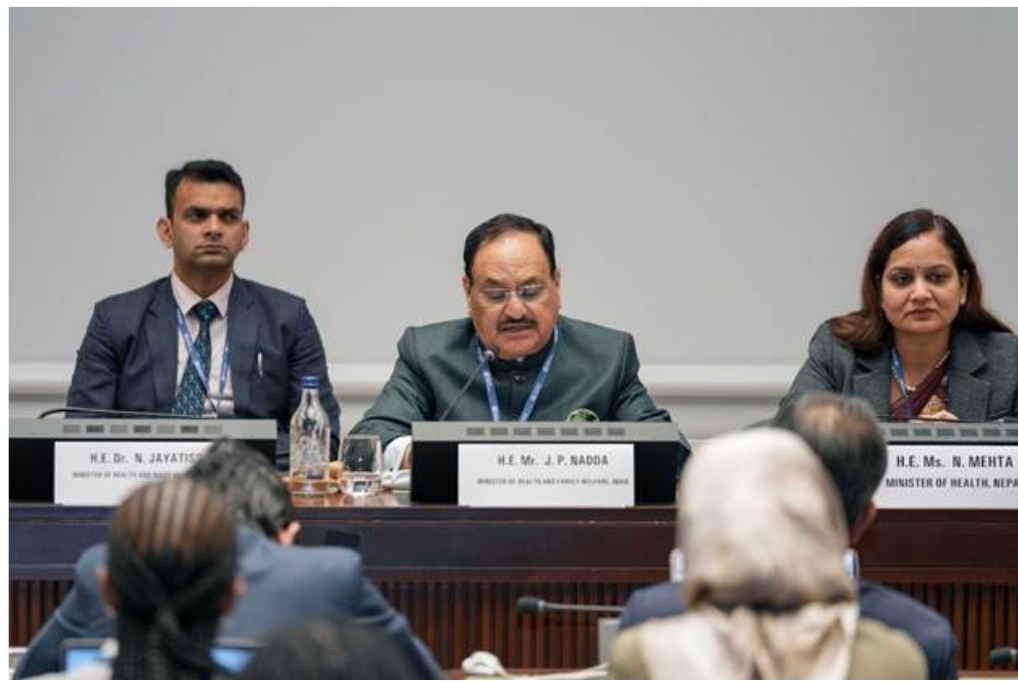
Union Health Minister J.P. Nadda has emphasized the need for ethical, inclusive, and equitable use of Artificial Intelligence (AI) in healthcare, stating that technological innovation must remain firmly rooted in public welfare, trust, and social responsibility.
Addressing an international gathering on the future of AI in healthcare, the Union Minister highlighted India’s unique demographic and healthcare landscape, noting that the country is implementing AI-driven healthcare solutions for a population of 1.4 billion people across 22 official languages and diverse levels of healthcare accessibility.
Nadda cautioned that while AI has the potential to transform healthcare delivery and bridge critical gaps in medical access, it could also deepen existing inequalities if not designed and implemented responsibly. He stressed that ensuring fairness and inclusivity in AI systems is essential for achieving equitable healthcare outcomes across urban and rural populations alike.
To address these challenges, the Minister spoke about the development of BODH — Benchmarking Open Data Platform for Health AI — an initiative aimed at ensuring that AI-based healthcare solutions deployed in India are tested and benchmarked against real-world datasets. According to him, the platform is designed to ensure that AI tools perform safely, accurately, and equitably for every Indian citizen, regardless of geographic, linguistic, or socio-economic differences.
Highlighting the importance of international cooperation, Nadda said that no country can tackle the opportunities and challenges posed by AI in isolation. He reiterated India’s commitment to working closely with global partners to build trusted and interoperable health data ecosystems, strengthen collaborative research, encourage ethical AI innovation, and collectively address shared global healthcare concerns.
The Union Minister further underlined that innovation in healthcare technology must always be guided by effective regulation and public trust. “Scale must be earned through trust, and technological advancement must remain anchored in equity, ethics, and public good,” he remarked.
Concluding his address, Nadda said that the future of AI in healthcare would not be shaped by algorithms alone, but by the collective decisions of governments, institutions, and societies across the world.
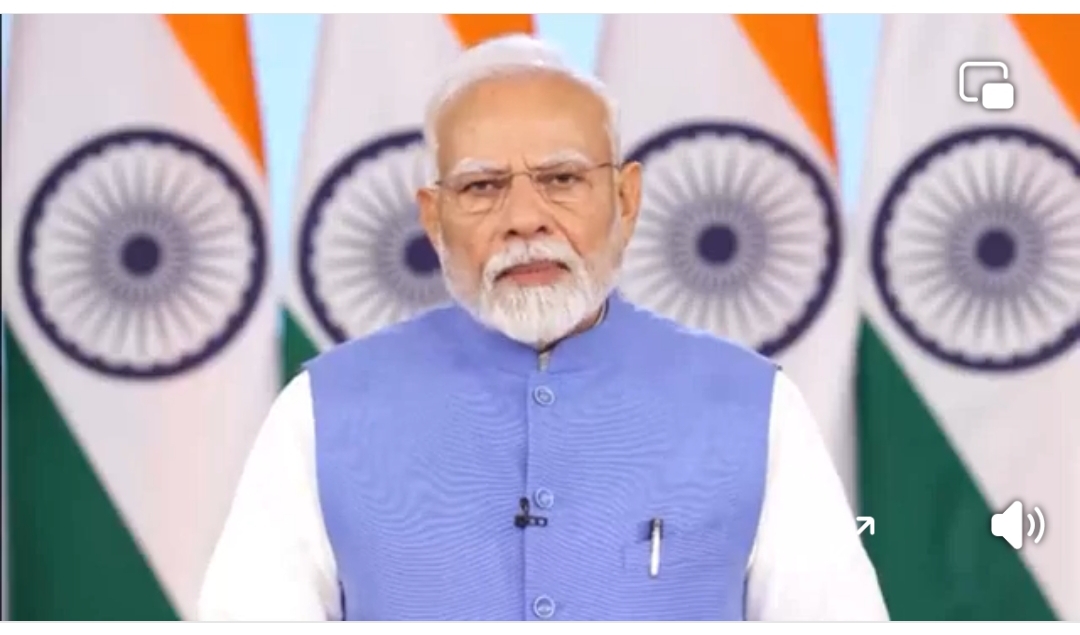
Referring to the vision of Prime Minister , he stated that India believes not only in “Artificial Intelligence” but in “All-Inclusive Intelligence.” He called upon the global community to ensure that AI evolves as a force for global good and contributes to accessible, affordable, and equitable healthcare for all humanity.