Netanyahu Declares Highway 60 the ‘Bible Road,’ Links Ancient Heritage to Israel’s Security and Future.
Gush Etzion:
Israeli Prime Minister Benjamin Netanyahu announced that Highway 60, one of Israel’s most significant north-south routes, will officially be known as the “Bible Road,” describing it as a symbol of the Jewish people’s historical connection to the land and a bridge between Israel’s biblical past and its modern statehood.
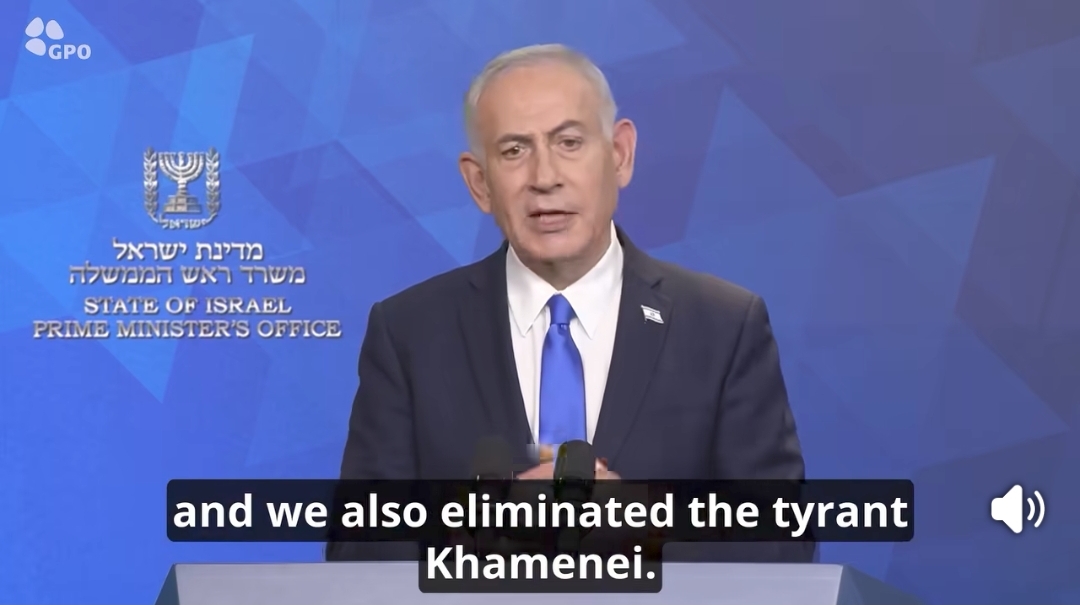
Speaking at a ceremony in Gush Etzion, located between Jerusalem and Hebron, Netanyahu said the highway represents more than transportation infrastructure, calling it “a road paved with memory, with faith, with promise.”
The prime minister emphasized what he described as the historic and spiritual significance of the route, which passes through numerous locations associated with biblical history. He argued that the road reflects the continuity of Jewish presence in the land from ancient times to the present day.
“This is our land. This is our heritage. This is our path,” Netanyahu declared before supporters and officials attending the event.
Linking Ancient History and Modern Israel
During his remarks, Netanyahu said Highway 60 connects places central to Jewish tradition and identity, stretching geographically from the Negev to the Galilee while symbolically connecting biblical figures such as Abraham to modern Israeli soldiers and future generations.
He described the route as a living testament to what he called the revival of Jewish national life in its historic homeland and praised communities and development projects along the corridor.
Security and Regional Challenges
Netanyahu also used the occasion to address Israel’s security situation and broader regional challenges.
The prime minister highlighted what he described as major achievements in Israel’s recent military campaigns against Iran and Iranian-backed groups. He asserted that Israeli operations had prevented Iran from obtaining nuclear weapons capabilities and significantly weakened what he called the “Axis of Evil” led by Tehran.
Netanyahu further discussed Israel’s ongoing military activities in Gaza and Lebanon, saying additional work remains to be done despite what he characterized as substantial operational successes.
Relations with the United States
Addressing international partnerships, Netanyahu stressed the importance of maintaining strong ties with the United States, expressing appreciation for American support and cooperation.
He said Israel would continue pursuing its security objectives while preserving its strategic relationship with Washington.
Commitment on Iran
A central theme of Netanyahu’s speech was Iran’s nuclear program. Reiterating a long-standing policy position, he pledged that Iran would not acquire nuclear weapons while he remains prime minister.
“Israel will continue to pursue this supreme goal,” Netanyahu said, emphasizing that preventing a nuclear-armed Iran remains a cornerstone of Israeli national security policy.
Vision for the Future
Concluding his remarks, Netanyahu called for national unity, resilience, and patience in facing future challenges. He described the newly designated Bible Road as a symbol of Israel’s enduring journey through history and its aspirations for the future.
Invoking religious and historical themes, he said the path of the Jewish people began thousands of years ago and would continue “from the Bible into eternity.”
The ceremony marked both a symbolic renaming of one of Israel’s most historic transportation corridors and an opportunity for the prime minister to outline his broader vision for Israel’s security, identity, and future.