
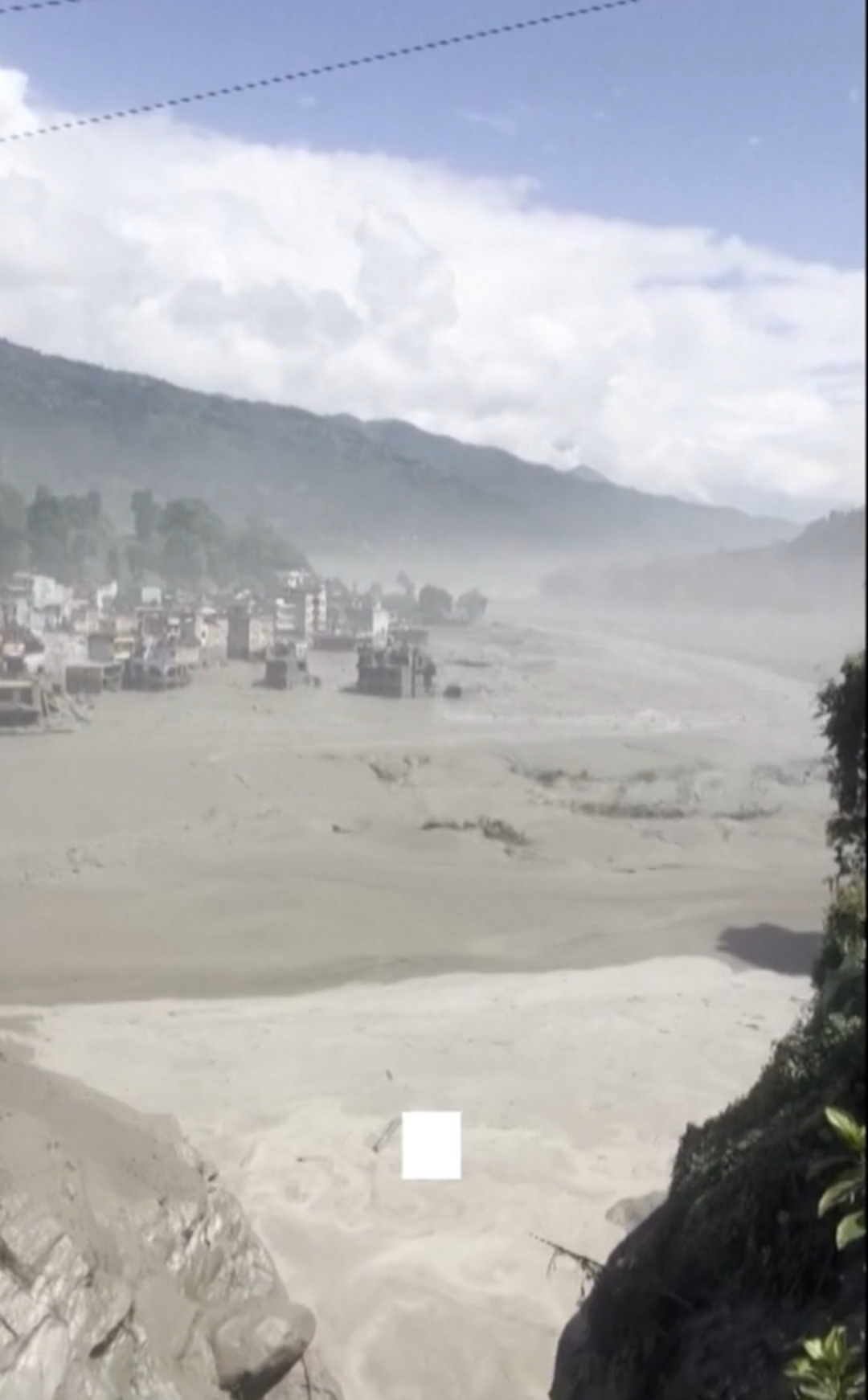
Deadly Flash Flood and Mudslide Strike Nepal-Tibet Border; At Least 31 Killed and Hundreds Missing.
Kathmandu:
A devastating flash flood and mudslide has struck areas along the Nepal-Tibet border, killing at least 31 people and leaving hundreds of people, including foreign tourists, unaccounted for. The disaster has caused widespread destruction across Nepal’s northern districts, sweeping away homes, roads, bridges and hydropower infrastructure.
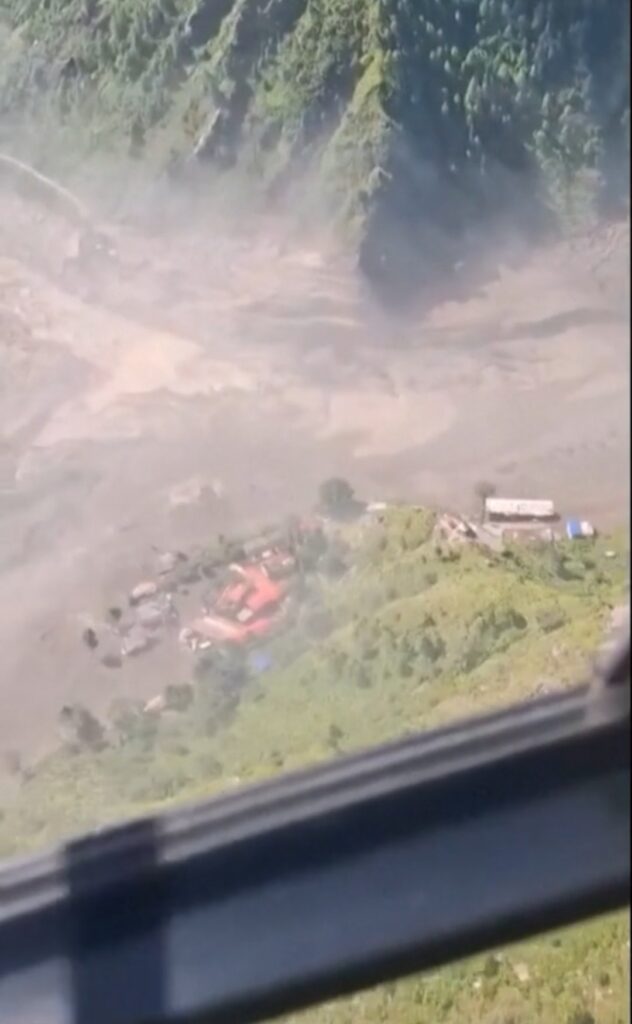
The disaster struck on Wednesday after a sudden surge of water and debris entered the Bhote Koshi River and rapidly spread through settlements in the mountainous Rasuwa district and surrounding areas. Dramatic footage from the affected region showed a massive wall of water and mud crashing through buildings and infrastructure at the border, while videos from Nepal showed residents and others attempting to flee as floodwaters surged through communities.
Hundreds of Tourists Reported Missing
The scale of the disaster has raised particular concern because hundreds of travellers were in the affected border region. Nepal’s Tourism Board reported 384 travellers missing, including 291 foreign nationals and 93 Nepali citizens, although authorities were continuing to verify the lists as rescue operations progressed. Reports indicate that more than 100 Indians and 12 British nationals are among those missing. Other missing foreign nationals include people from the United States, Malaysia, South Africa, South Korea, Australia and the Netherlands.
Many of the Indian nationals were reportedly travelling toward Tibet for the Kailash Mansarovar pilgrimage, adding to concerns in India over the safety of citizens caught in the disaster zone.
Possible Earthquake and Avalanche Trigger
Nepal’s Foreign Minister Shishir Khanal said preliminary information suggested that an earthquake may have triggered an avalanche, which subsequently caused the sudden flash flooding. Other preliminary assessments have pointed to an ice-and-rock avalanche or landslide blocking the Lhende Khola River before a huge volume of water and debris was released downstream.
Officials and experts have warned that the exact cause remains under assessment. The Lhende Khola is a tributary of the Bhote Koshi River, and the sudden flooding sent enormous quantities of water, mud and debris through the valley. Authorities have also warned that an upstream blockage could create the possibility of another surge.
Widespread Destruction
The flood has devastated several settlements and damaged critical infrastructure. Roads and bridges were washed away, buildings were inundated or destroyed, and hydropower facilities were severely affected. The mountainous terrain has made access to some of the worst-hit areas extremely difficult.
Rescue operations have been complicated by damaged roads, unstable terrain and powerful river currents. Helicopters have reportedly faced difficulties landing in some affected locations, while security forces and emergency teams have been mobilised to search for missing people and assist those stranded by the floods.
Across the border in Tibet, a mudslide also struck the Gyirong area and a major border crossing, damaging infrastructure and raising fears of significant casualties. Chinese authorities have launched rescue efforts, while President Xi Jinping issued directives calling for intensified emergency response and assistance.
India and China Asked to Assist
Nepal has sought assistance from both India and China as rescue and relief operations continue. Indian authorities have also been coordinating with Nepal over the safety and possible rescue of Indian nationals in the affected areas.
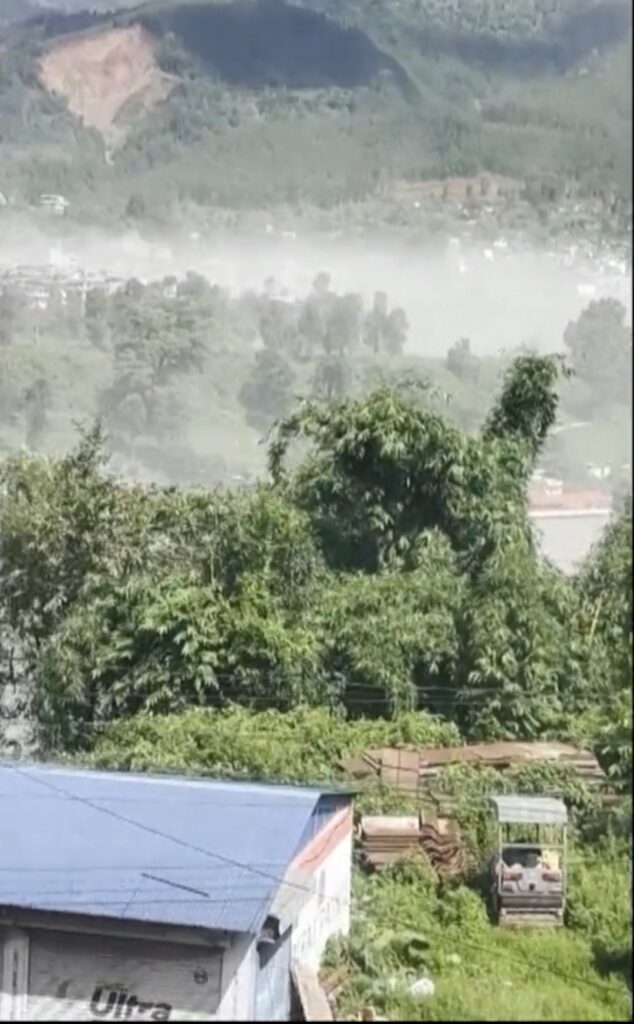
Nepali authorities have urged people living near the Bhote Koshi, Trishuli and Narayani rivers to move to safer ground and avoid riverbanks because of the continuing danger.
The disaster has raised comparisons with Nepal’s earlier major natural catastrophes, particularly the devastating 2015 earthquake, which killed thousands of people. With rescue teams still searching for hundreds of missing people and the full extent of the destruction yet to be established, authorities fear the death toll could rise further.
The situation remains fluid, with rescue and recovery operations continuing on both sides of the Nepal-Tibet border.