State-of-the-Art Silkworm Seed Facility Inaugurated in Jorhat to Strengthen Assam’s Sericulture Sector.
Jorhat:
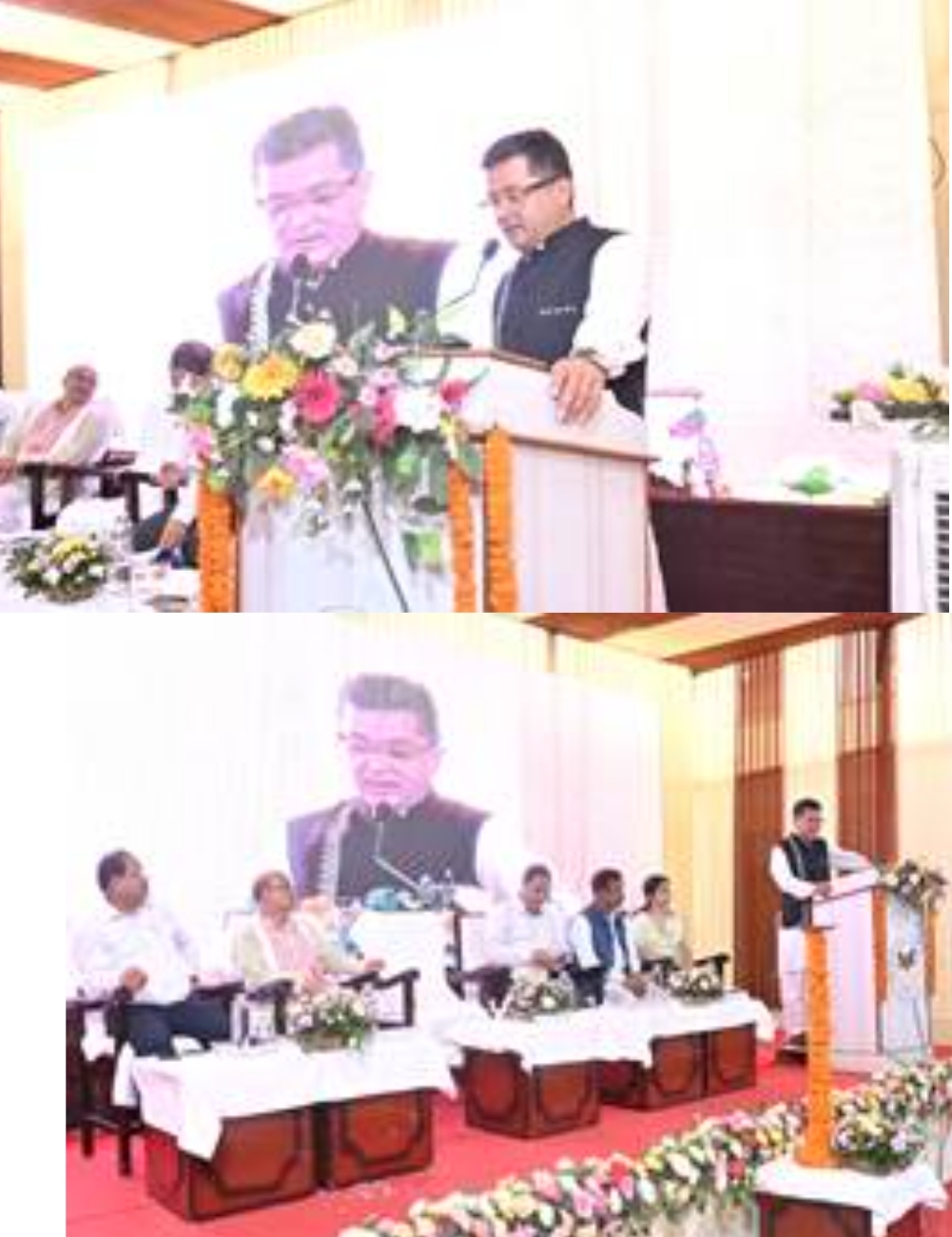
Union Minister of State for Textiles Pabitra Margherita inaugurated a newly constructed Grainage Building and Cold Storage facility at the CSB-Silkworm Seed Production Centre (SSPC), Rowriah, Jorhat, marking a significant step towards modernising sericulture infrastructure and strengthening rural livelihoods in Assam and the wider North-Eastern Region.
The inauguration was attended by Kamakhya Prasad Tasa, Member of Parliament from Kaziranga; Hitendra Nath Goswami, Member of the Legislative Assembly from Jorhat; Dr Dipjyoti Rajkhowa, Vice-Chancellor; Lakhimi Dutta, Director of Sericulture, Government of Assam; P. Sivakumar, Member Secretary, Central Silk Board; senior officials and heads of organisations under the Ministry of Textiles.
Facility to produce 30 lakh disease-free layings annually
Established under the North-East Region Textile Promotion Scheme (NERTPS), the modern facility has an annual capacity to produce 30 lakh Disease-Free Layings (DFLs) of mulberry hybrid seed and preserve up to 1 crore DFLs.
The new infrastructure is expected to ensure the timely availability of quality silkworm seed and improve seed production efficiency in the region. It is also expected to strengthen the regional sericulture value chain, generate employment and create additional business opportunities for local suppliers and traders.
The facility is aimed at contributing to the socio-economic development of sericulture farmers by providing them with improved access to quality planting material and modern seed-production infrastructure.
Assam plays key role in India’s silk production
Addressing the gathering, Pabitra Margherita emphasised that quality silkworm seed, modern infrastructure, technology and skill development are essential for building a productive and sustainable sericulture sector.
He highlighted the Central Silk Board’s extensive seed production network covering both mulberry and Vanya silk sectors. According to him, CSB-NSSO caters to the mulberry seed sector, while BTSSO and MESSO support the Vanya seed sector.
Highlighting Assam’s rich silk heritage, Margherita said the state contributes approximately 84 per cent, or 73 MT, of India’s Muga silk production and around 74 per cent, or 2,131 MT, of Eri silk production. Assam also recorded 6 per cent, or 9 MT, of India’s mulberry silk production in 2026-27 up to July.
During the same period, the North-Eastern Region recorded production of 142 MT of mulberry silk, 3 MT of Tasar silk, 2,890 MT of Eri silk and 87 MT of Muga silk.
These figures, he said, underline the importance of strengthening the sericulture ecosystem in Assam and across the North-Eastern Region.
Sericulture provides livelihood opportunities
The Minister highlighted the substantial employment potential of the sector, noting that sericulture is estimated to generate employment for around 29.50 lakh people during 2025-26.
He said the North-East has significant potential in Vanya silk production and is playing an increasingly important role in India’s silk economy.
Margherita also highlighted initiatives such as Mission Senehjori, which can help transform Muga silk into a high-value global product. He stressed the importance of entrepreneurship and collaboration among stakeholders to increase farmers’ productivity, expand rural employment and strengthen the self-reliance of the North-Eastern Region.
He called for greater cooperation among the Central Silk Board, Assam Government, research institutions, farmers, entrepreneurs and other stakeholders for the development of Assam and the country.
Stakeholder meet held alongside inauguration
An interactive Seri-Stakeholder Meet was also organised as part of the programme. The meeting provided a platform for farmers, officials, researchers and other stakeholders to discuss key issues and opportunities concerning the sericulture sector.
Progressive sericulture farmers were felicitated during the programme, while P1 Disease-Free Layings were directly distributed to farmers.
Certificates were also presented to trainees who successfully completed training under the Ministry of Textiles’ flagship Samarth Scheme, which focuses on skill development and capacity building in the textile and sericulture sectors.
The inauguration of the Grainage Building and Cold Storage facility marks an important milestone in the Central Silk Board’s efforts to strengthen silkworm seed production in Assam and the North-Eastern Region. The upgraded infrastructure is expected to provide farmers with quality seed, improve production efficiency and contribute to enhanced livelihood opportunities in the region.