DR Congo Faces Unprecedented Hunger Crisis: Over 30 Million Projected to Face Acute Food Insecurity in 2027.
Geneva;
The humanitarian situation in the Democratic Republic of the Congo (DRC) is on the brink of catastrophe. According to a grim new analysis by the Integrated Food Security Phase Classification (IPC), a record-breaking 30.3 million people are projected to face Crisis levels of acute food insecurity or worse (IPC Phase 3 or above) between January and June 2027.
The alarming projections have triggered urgent joint warnings from the World Food Programme (WFP), the Food and Agriculture Organization (FAO), UNICEF, and the World Health Organization (WHO), who are calling for immediate international funding and unhindered humanitarian access.
A Convergence of Conflict, Displacement, and Disease
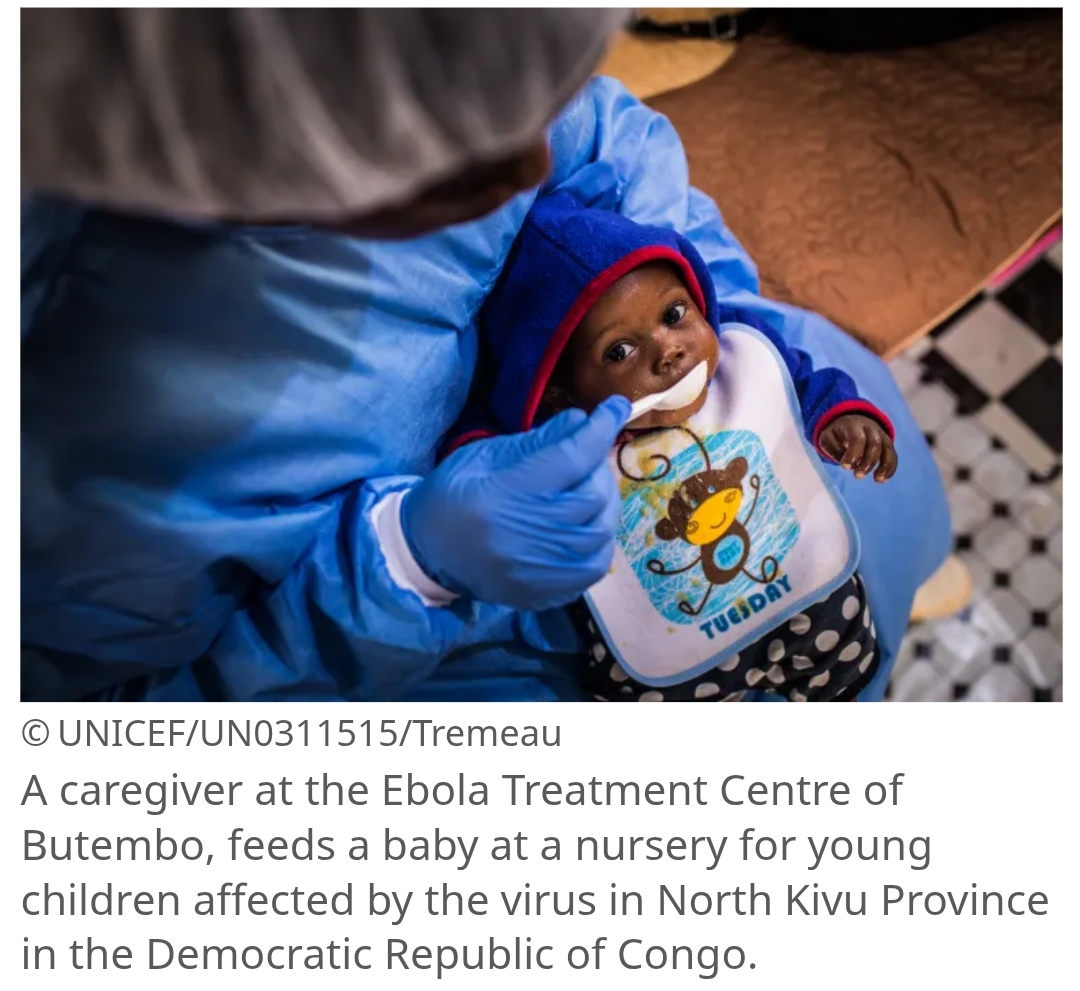
The unfolding catastrophe is being driven by a devastating cocktail of persistent armed conflict, mass displacement, skyrocketing food prices, and concurrent health emergencies—most notably a resurgent Ebola outbreak alongside mpox and cholera.
Escalating Numbers: Between September and December 2026, nearly 29 million people (roughly a quarter of the population) are already experiencing Crisis or worse levels of acute hunger, with 3.6 million suffering at Emergency levels (IPC Phase 4).
The 2027 Outlook: By early 2027, the total affected population will surge to 30.3 million. Even more alarming, the number of people facing severe Emergency-level hunger will climb by nearly 600,000 to reach 4.2 million.
Eastern Hotspots: The crisis is most severe in the eastern provinces of North Kivu, South Kivu, and Ituri, where over 11 million people are projected to face high levels of food insecurity. Nine specific territories have been classified as facing Emergency conditions: Djugu (Ituri); Lubero, Masisi, and Oïcha (North Kivu); and Fizi, Kalehe, Mwenga, Shabunda, and Walungu (South Kivu).
Voices from the Frontlines
UN agencies have underscored that the crisis extends far beyond a simple lack of food, pointing to structural shocks and compounded vulnerabilities.
“Conflict is driving families from their homes, cutting them off from their fields and putting food beyond their reach,” said Ross Smith, WFP Director of Emergency Preparedness and Response. “The Ebola outbreak is a crisis on top of a pre-existing crisis… We need safe, sustained access and resources to deliver food assistance at scale before more families face Emergency levels of hunger.”
Agricultural systems are also collapsing as farming families are repeatedly displaced. Rein Paulsen, Director of the FAO Office of Emergencies and Resilience, emphasized the critical window for agricultural intervention:
“Every agricultural season missed deepens hunger and increases dependence on humanitarian assistance. If farmers receive seeds, tools and other essential support before planting begins in early 2027, they can harvest by mid-year, restore incomes and help feed their communities through the lean season.”
Children under five, pregnant women, and vulnerable hospital or transit populations are bearing the brunt of the malnutrition crisis. Lucia Elmi, UNICEF Director of Emergency Operations, noted:
“For children in the Democratic Republic of the Congo, hunger and malnutrition are not just driven by a lack of food. Conflict, displacement and outbreaks such as Ebola are compounding the risks… when women, girls and boys cannot access essential health care, safe water, and sanitation.”
Health authorities have further warned that overlapping disease outbreaks are stretching fragile local infrastructure to its breaking point. Dr. Chikwe Ihekweazu, Executive Director of the WHO Health Emergencies Programme, stated:
“When families cannot access enough nutritious food, safe water or essential health services, they become increasingly vulnerable to disease and death. With large outbreaks of Ebola and cholera also affecting eastern DRC, reaching people with these lifesaving services is an urgent priority.”
Beyond the East: A Nationwide Strain
While eastern DRC remains the epicenter of the emergency, the crisis has expanded across multiple other provinces. Substantial shares of populations in Tanganyika, Maniema, Kasaï, Haut-Lomami, Lomami, Kwango, and Haut-Uele are also battling severe food shortages driven by localized insecurity, broken market supply chains, and depressed purchasing power. Global economic shocks—including supply chain pressures stemming from ongoing crises in the Middle East, the Red Sea, and Ukraine—have further aggravated domestic food inflation.
Urgent Call to Action
FAO, WFP, UNICEF, and WHO are jointly urging the international community to take immediate action on multiple fronts:
Financed Scaling: Donors must provide rapid, flexible, and sustained funding to scale up emergency food distributions and therapeutic nutrition programs.
Agricultural Resilience: Timely distribution of agricultural inputs (seeds and tools) ahead of upcoming planting seasons to prevent permanent reliance on food aid.
Multi-Sectoral Support: Protecting and sustaining essential health, clean water, and sanitation services to combat co-occurring disease outbreaks like Ebola and cholera.
Humanitarian Access & Protection: Strict adherence to international humanitarian law by all conflicting parties to safeguard civilian infrastructure and guarantee safe, unimpeded access for relief workers.