WHO and UNICEF Urge Global Investment in Breastfeeding Support to Safeguard Child Health and Development.
GENEVA/NEW YORK:
In a powerful joint statement marking World Breastfeeding Week 2025, the World Health Organization (WHO) and UNICEF have called on global governments and health systems to prioritize breastfeeding by establishing sustainable support systems that enable mothers to breastfeed successfully and give children the healthiest start to life.
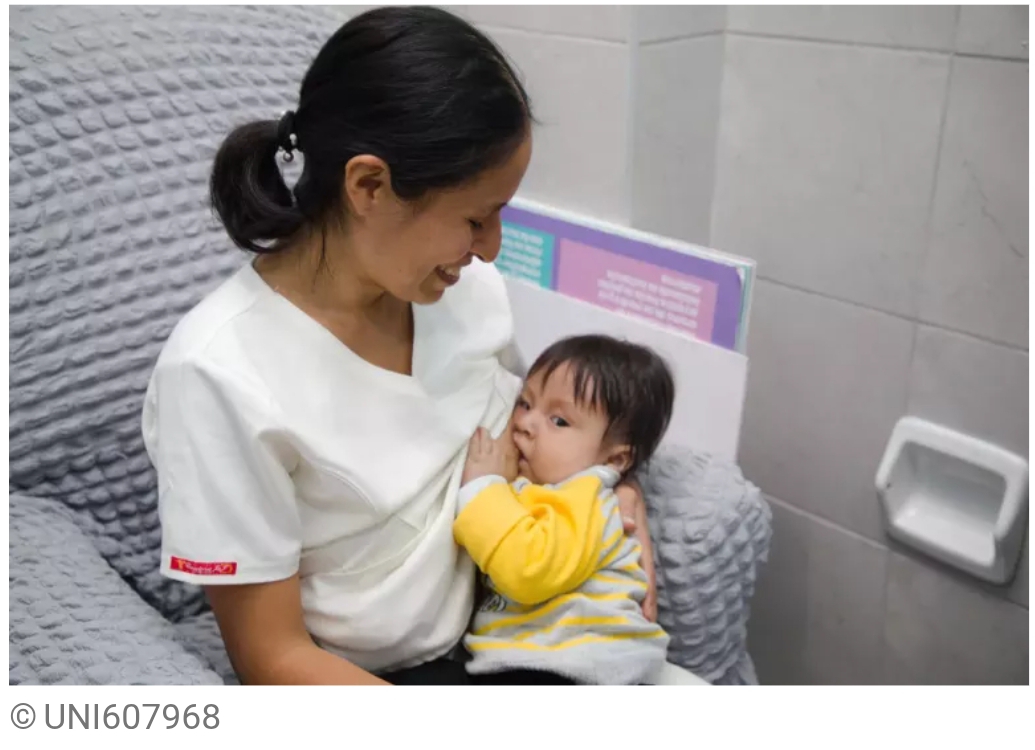
Describing breastfeeding as a baby’s first vaccine, the organizations emphasized that it offers critical protection against life-threatening illnesses like pneumonia and diarrhoea, and significantly enhances child survival, development, and long-term health outcomes.
Despite its proven benefits, only 48% of infants under six months are exclusively breastfed globally – far below the World Health Assembly target of 60% by 2030. This alarming gap is attributed to systemic barriers including lack of trained healthcare providers, inadequate investment, and under-resourced health systems.
“Millions of mothers around the world are leaving hospitals without the knowledge or support they need to breastfeed,” the agencies stated. Only 20% of countries include infant and young child feeding training in their standard medical curricula, meaning that most doctors and nurses are ill-equipped to guide new mothers during this crucial period.
In many low- and middle-income countries, fragmented and poorly equipped health systems make it difficult to offer consistent, evidence-based breastfeeding support, both during hospital stays and after discharge. The situation is even more dire in emergency and humanitarian settings, where access to maternal and newborn care is often disrupted.
UNICEF and WHO warned that global investment in breastfeeding remains critically low, despite research showing that every $1 invested yields $35 in economic returns by reducing health costs and boosting productivity through healthier children.
This year’s World Breastfeeding Week, held under the theme “Prioritise Breastfeeding: Create Sustainable Support Systems,” urges stakeholders to take action across six key areas:
- Ensure equitable and quality maternal and newborn care, including breastfeeding support.
- Increase national budget allocations for breastfeeding promotion and counselling.
- Integrate breastfeeding support into all stages of maternal care — antenatal, delivery, and postnatal.
- Train all health workers with skills and knowledge for breastfeeding support, including in crisis zones.
- Build strong community health networks that provide sustained breastfeeding assistance for up to two years and beyond.
- Enforce the International Code of Marketing of Breast-milk Substitutes, ensuring that all health facilities reject unethical promotion of formula products.
“Strengthening breastfeeding support is not only a health imperative, but also a moral and economic one,” said the statement. “WHO and UNICEF remain committed to helping countries build resilient, mother- and baby-centered health systems that ensure no child is left behind.”
With global attention now focused on maternal and child health, the two UN agencies have urged world leaders and policy-makers to act with urgency to create a future where every mother is empowered to breastfeed and every child thrives.