
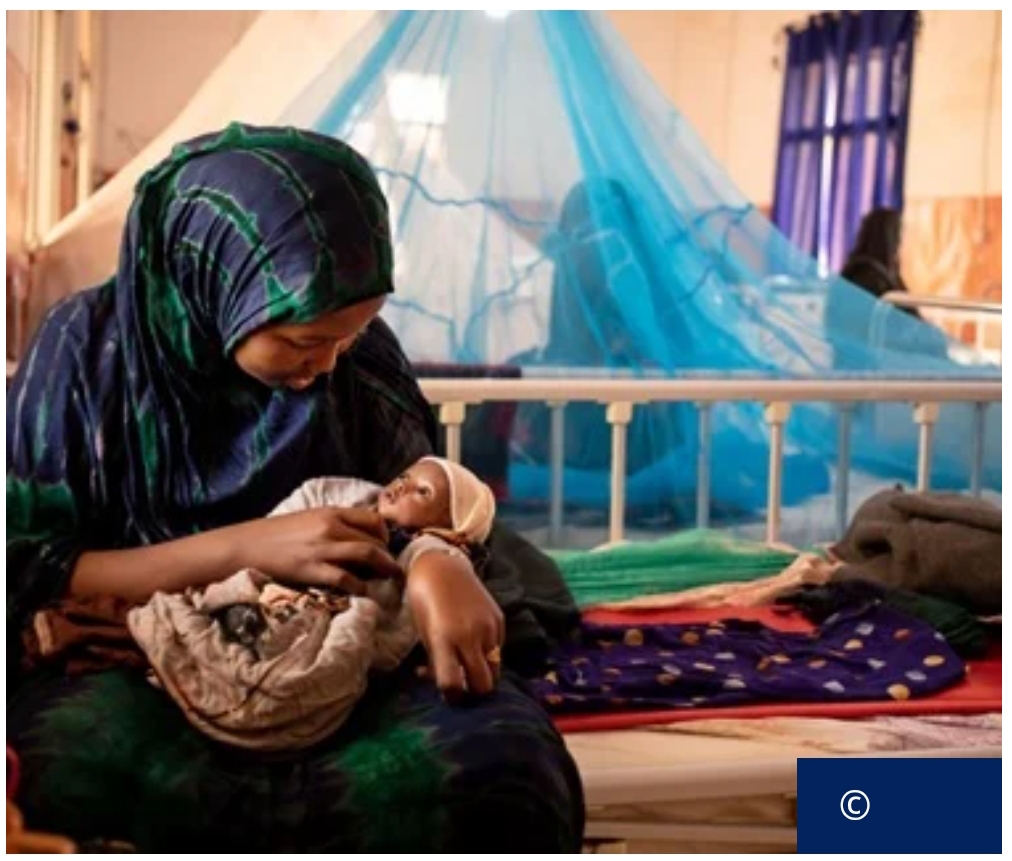
Global Child Mortality Progress Slows Despite Decades of Gains, 4.9 Million Children Die Before Age Five in 2024.
Geneva:
Global efforts to reduce child mortality are losing momentum, with an estimated 4.9 million children dying before their fifth birthday in 2024, according to a new report released by UNICEF and its partners. The findings highlight an urgent need for renewed investment and action, as millions of these deaths remain preventable.
The report, Levels & Trends in Child Mortality, reveals that while under-five deaths have dropped by more than half since 2000, progress has slowed dramatically since 2015 — declining by over 60 percent in pace. Health experts warn that without accelerated intervention, global targets for child survival may not be met.
Newborns Remain Most Vulnerable
Of the total deaths, 2.3 million were newborns, meaning nearly half of all under-five deaths occur within the first month of life. The leading causes include complications from preterm birth (36%) and issues during labor and delivery (21%). Infections such as neonatal sepsis and congenital conditions also contributed significantly.
These figures underscore gaps in maternal and newborn care, particularly in low-resource settings where access to skilled birth attendants and essential health services remains limited.
Malnutrition Emerges as Major Killer
For the first time, the report includes estimates of deaths directly caused by severe acute malnutrition (SAM), identifying over 100,000 deaths among children aged 1–59 months in 2024 alone. Experts caution that this number likely underestimates the true burden, as malnutrition often weakens immunity and contributes indirectly to deaths from diseases like pneumonia and diarrhoea.
Countries such as Pakistan, Somalia, and Sudan reported some of the highest numbers of direct malnutrition-related deaths.
Infectious Diseases Still a Leading Threat
Beyond the neonatal period, infectious diseases remain a major cause of child mortality. Malaria alone accounted for 17% of deaths among children aged 1–59 months, particularly in sub-Saharan Africa. Other major killers include pneumonia and diarrhoeal diseases.
After significant progress between 2000 and 2015, reductions in malaria-related deaths have slowed due to factors such as conflict, climate change, drug resistance, and limited healthcare access. Countries like Nigeria, Chad, Niger, and Democratic Republic of the Congo remain heavily affected.
Stark Regional Inequalities
The burden of child mortality is highly uneven. In 2024:
Sub-Saharan Africa accounted for 58% of all under-five deaths.
Southern Asia accounted for 25%, with deaths largely linked to complications during birth and early infancy.
In contrast, high-income regions such as Europe, Northern America, Australia, and New Zealand reported significantly lower mortality rates, reflecting better access to healthcare and preventive services.
Children in Conflict Zones at Higher Risk
Children living in fragile and conflict-affected settings are nearly three times more likely to die before age five than those in stable regions. Ongoing instability disrupts healthcare systems, limits access to nutrition, and increases exposure to disease.
The report also notes that 2.1 million individuals aged 5–24 died in 2024, with causes shifting by age group. Infectious diseases and injuries dominate among younger children, while among adolescents:
Self-harm is the leading cause of death among girls aged 15–19.
Road traffic injuries are the leading cause among boys.
Funding Gaps Threaten Progress
Global health experts warn that declining development financing is putting essential maternal and child health programs at risk. Weak health systems, insufficient data collection, and underfunded services could further slow progress.
Despite the challenges, the report emphasizes that child survival interventions are among the most cost-effective investments. Measures such as vaccinations, nutrition treatment, and skilled care at birth can yield up to 20 times their cost in social and economic benefits.
Call for Urgent Global Action
UNICEF and partners are calling on governments, donors, and international organizations to:
Prioritize child survival in policy and funding decisions
Target high-risk populations, especially in sub-Saharan Africa and Southern Asia
Strengthen accountability through better data and tracking systems
Invest in primary healthcare and community-based services
Health leaders stress that with proven, low-cost solutions already available, millions of child deaths can be prevented — but only if global commitment and investment are urgently scaled up.