
WHO Warns of Rising Nicotine Pouch Use Among Youth as Global Sales Surge.
Geneva:
The World Health Organization has issued a strong global warning over the rapid rise of nicotine pouch products, saying the industry is aggressively targeting adolescents and young people through deceptive marketing strategies while regulations remain weak or absent in many countries.
The warning comes ahead of World No Tobacco Day on May 31, which this year focuses on tobacco and nicotine addiction and the tactics used by companies to attract a new generation of users.
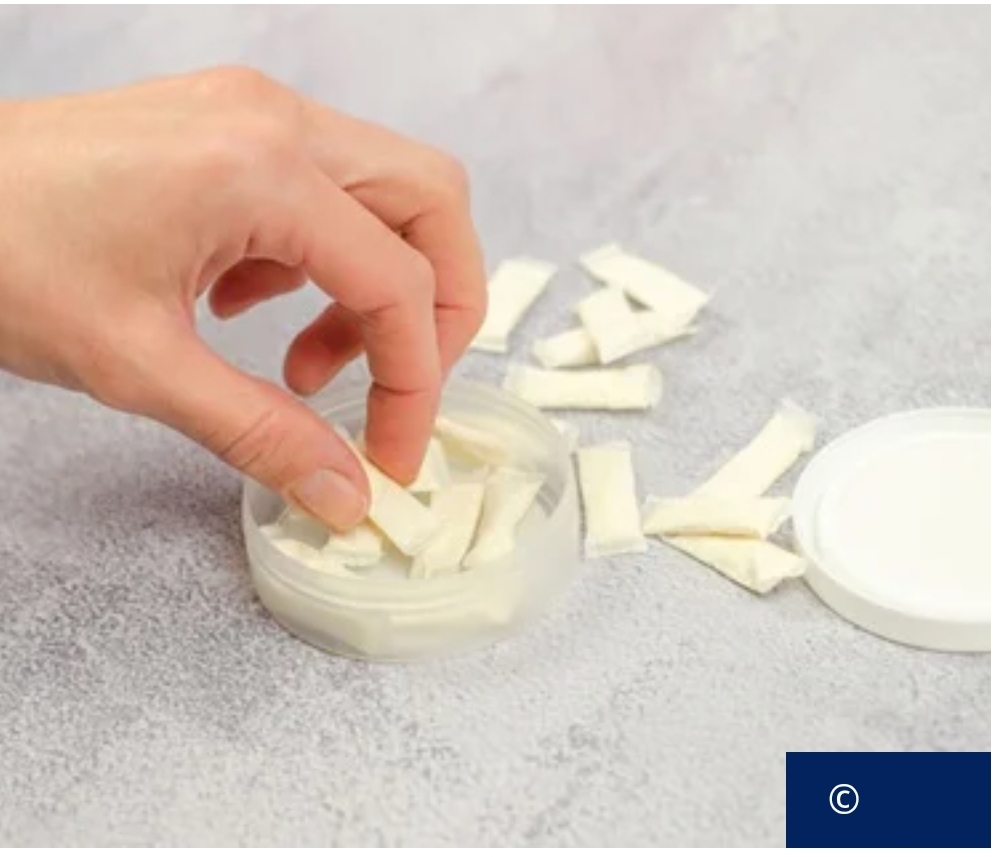
Nicotine pouches are small sachets placed between the gum and lip that release nicotine through the mouth lining. They usually contain nicotine, sweeteners, flavourings and other additives. According to WHO, global retail sales of nicotine pouches crossed 23 billion units in 2024, marking an increase of more than 50 percent compared to the previous year. The global market value of nicotine pouch products reached nearly US$ 7 billion in 2025.
WHO released its first global report on the subject, titled Exposing Marketing Tactics and Strategies Driving the Growth of Nicotine Pouches, in response to growing concerns from governments seeking guidance on how to regulate these products.
“The use of nicotine pouches is spreading rapidly, while regulation struggles to keep pace,” said Dr Vinayak Prasad, Unit Head of the Tobacco Free Initiative at WHO. He stressed that governments must introduce strong, evidence-based safeguards to address the growing public health risk.
Health Risks for Young People
WHO emphasized that nicotine itself is highly addictive and especially harmful to children, adolescents and young adults whose brains are still developing. Exposure to nicotine during adolescence can negatively affect brain development, attention span and learning ability. Early nicotine use can also increase the likelihood of long-term addiction and future use of tobacco and nicotine products.
The organization further warned that nicotine consumption raises cardiovascular risks and can create long-lasting dependence among young users.
Regulatory Gaps Across the World
According to the WHO report, nicotine pouches often fall into regulatory loopholes in many countries:
Around 160 countries currently have no specific regulations governing nicotine pouches.
Sixteen countries have banned their sale entirely.
Thirty-two countries regulate them in some form.
Only five countries restrict flavours.
Twenty-six countries prohibit sales to minors.
Twenty-one countries ban advertising, promotion and sponsorship activities.
“Governments are seeing the use of these products spread quickly, especially among adolescents and young people who are being aggressively targeted by deceptive tactics,” said Dr Etienne Krug, Director of the Department of Health Determinants, Promotion and Prevention at WHO.
He warned that these products are “engineered for addiction” and stressed the urgent need to protect youth from industry manipulation.
Marketing Tactics Targeting Youth
The WHO report highlighted several marketing strategies used by nicotine pouch manufacturers to attract younger consumers. These include:
Sleek and discreet packaging designs
Sweet flavours such as bubble gum and gummy bears
Influencer marketing and extensive promotion on social media
Sponsorship of concerts, festivals and sporting events, including Formula One
Aspirational lifestyle branding
Messaging encouraging discreet use in schools and smoke-free areas
WHO also raised concerns that some nicotine pouch packaging resembles sweets or candy brands, increasing the risk of accidental use by children.
The organization warned that these tactics are intended to normalize nicotine use, reduce perceptions of risk and draw young people into addiction.
WHO Calls for Urgent Global Action
WHO has urged governments worldwide to introduce comprehensive regulations covering all tobacco and nicotine products, including nicotine pouches. The organization recommended several measures, including:
Banning or strictly restricting flavours
Prohibiting advertising, sponsorships and influencer promotions
Enforcing strict age-verification and retail controls
Introducing plain packaging and clear health warnings
Limiting nicotine concentration levels
Increasing taxation to reduce affordability for youth
Monitoring usage trends and industry marketing tactics
Strengthening enforcement mechanisms
The organization warned that nicotine pouches should not be considered risk-free. Some products are reportedly being sold in categories labelled “beginners,” “advanced,” and “experts,” with nicotine levels reaching as high as 150 mg.
WHO called on young people to recognize and reject industry strategies designed to make nicotine use appear socially acceptable and harmless. The agency stressed that coordinated global action is necessary to prevent a new generation from becoming addicted to nicotine.