Centre Targets Construction of 26,474 km Rural Roads in FY 2026-27; States Asked to Accelerate Last-Mile Connectivity.
New Delhi:
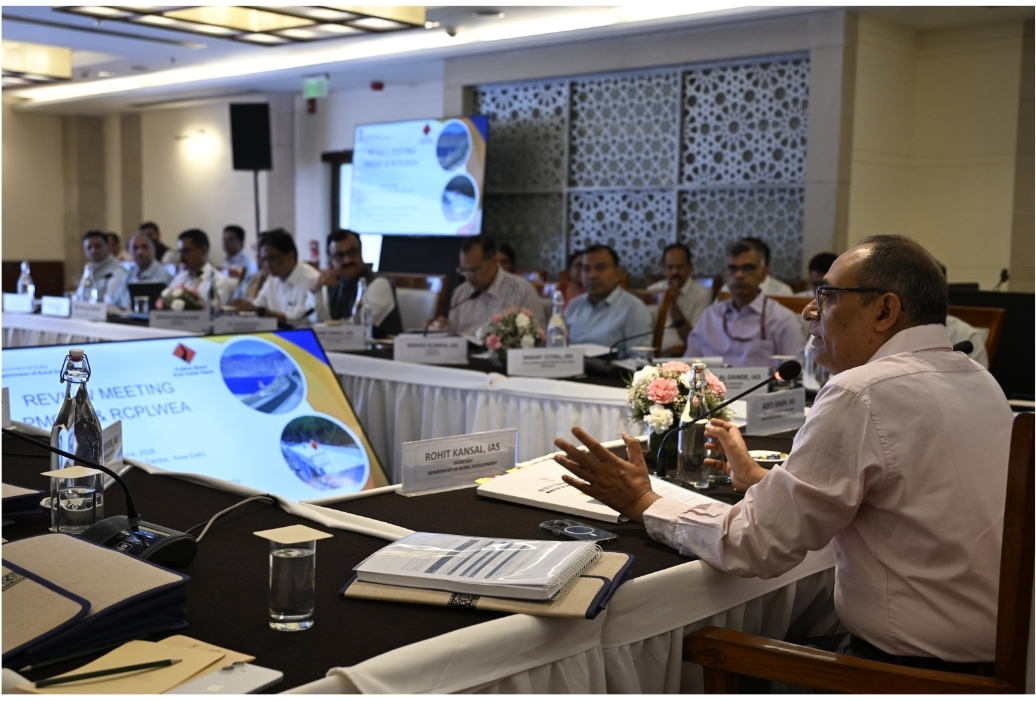
The Government of India has set an ambitious target to construct 26,474 kilometres of rural roads during the financial year 2026-27, allocating Rs. 18,907 crore under the Pradhan Mantri Gram Sadak Yojana (PMGSY) and other rural connectivity programmes. The announcement was made during a high-level review meeting convened by the Ministry of Rural Development to assess progress and implementation of rural road infrastructure projects across the country.
The meeting was chaired by Rohit Kansal, Secretary, Department of Rural Development, and focused on reviewing the physical and financial progress of PMGSY and the Road Connectivity Project for Left Wing Extremism Affected Areas (RCPLWEA). Senior officials from several states, including Andhra Pradesh, Arunachal Pradesh, Bihar, Chhattisgarh, Jammu & Kashmir, Jharkhand, Madhya Pradesh, Maharashtra, Manipur, Meghalaya, Rajasthan and Telangana, participated in the discussions.
Focus on Universal Rural Connectivity
A major emphasis of the review was on achieving saturation in rural road connectivity, particularly in areas that remain unconnected. The Secretary directed states to expedite the completion of all pending road projects under PMGSY-I and PM-JANMAN, with special attention to habitations inhabited by Particularly Vulnerable Tribal Groups (PVTGs).
Highlighting the importance of all-weather road connectivity, the Ministry instructed states to speed up the preparation of Detailed Project Reports (DPRs), remove implementation bottlenecks and ensure that pending projects are completed within stipulated timelines. The initiative aims to improve access to essential services, markets, education and healthcare for rural populations.
Special Review of Left Wing Extremism-Affected Areas
Progress under the RCPLWEA scheme was also reviewed in detail during the meeting. The Ministry reiterated the strategic importance of road infrastructure in districts affected by Left Wing Extremism, where improved connectivity plays a crucial role in socio-economic development and administrative outreach.
States implementing projects under the scheme were directed to maintain close coordination with executing agencies and ensure the timely completion of all sanctioned road works. Participating states presented action plans and assured the Ministry that both pending works and annual targets would be completed within the prescribed deadlines.
Emphasis on Quality and Sustainability
Apart from construction targets, the review meeting placed significant focus on the quality and long-term sustainability of rural road assets. The Secretary stressed that strict adherence to prescribed quality standards and effective maintenance systems are essential to ensure durable and reliable road infrastructure.
States were advised to strengthen field inspections, improve monitoring mechanisms and maintain strict oversight during project execution. Officials were also urged to adopt best practices in construction and maintenance to maximize the lifespan of rural road networks.
Push for Digital Governance Through e-MARG
The Ministry highlighted the importance of universal adoption of the e-MARG (Electronic Maintenance of Rural Roads under PMGSY) platform. The digital system facilitates real-time monitoring of maintenance activities, assessment of road performance and transparent payment tracking.
According to officials, wider implementation of e-MARG is expected to significantly improve transparency, accountability and operational efficiency in the maintenance of rural road infrastructure. States were encouraged to ensure complete integration of maintenance activities with the platform.
Addressing Bottlenecks and Accelerating Execution
Concluding the meeting, the Secretary issued state-specific directives aimed at overcoming implementation challenges. These included fast-tracking land acquisition processes, expediting forest clearance proposals, ensuring timely compliance with project milestones and enhancing coordination among State Governments, the National Rural Infrastructure Development Agency (NRIDA) and the Ministry of Rural Development.
The participating states reaffirmed their commitment to accelerating project execution, maintaining quality standards and ensuring that the benefits of all-weather road connectivity reach every eligible rural habitation in the country.
With a substantial financial allocation and renewed focus on timely implementation, the Government aims to strengthen rural infrastructure, improve accessibility and support inclusive development across India’s remote and underserved regions.