
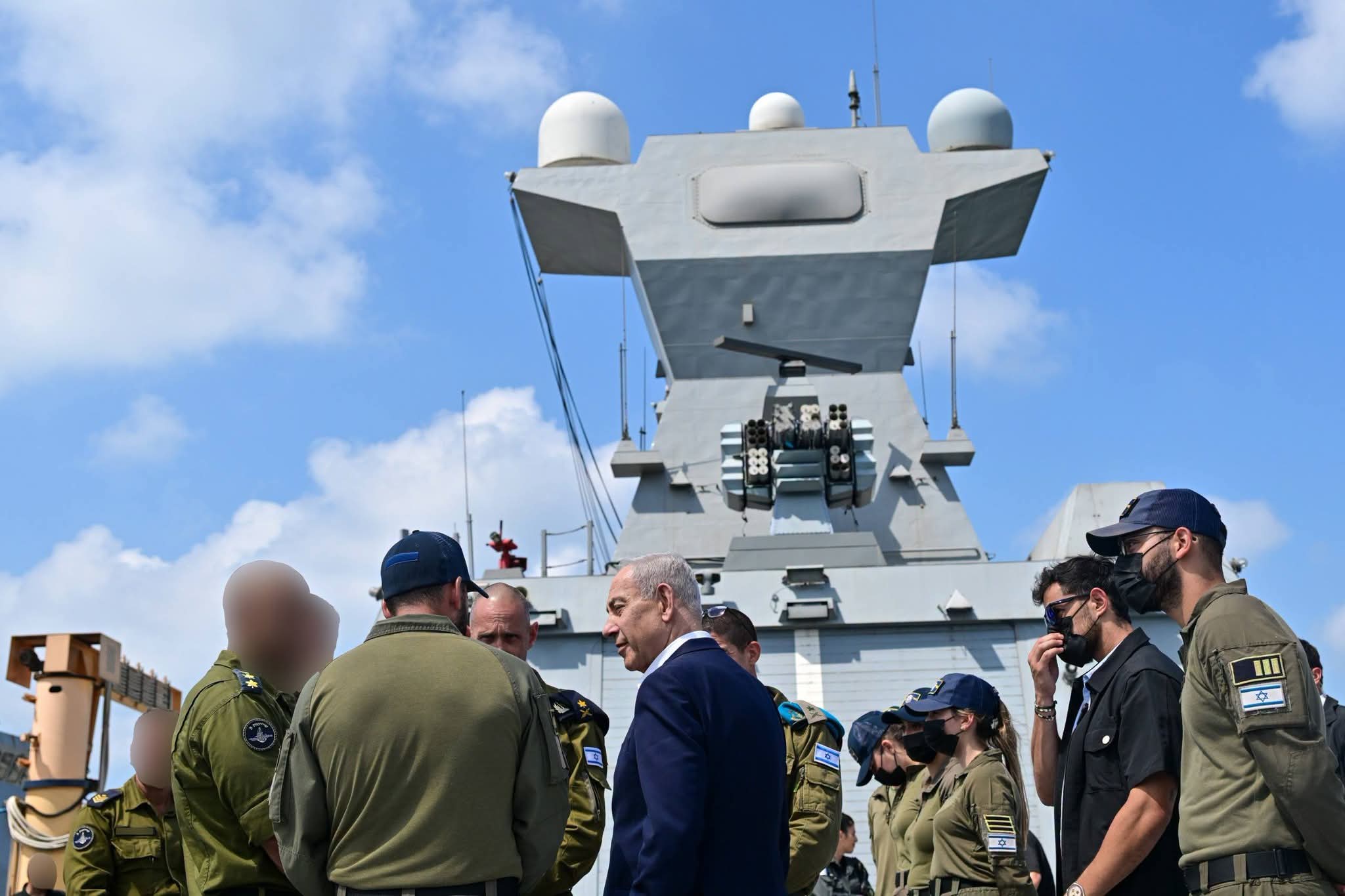
Israeli Prime Minister Benjamin Netanyahu Visits Haifa Naval Base, Reaffirms Commitment to Maritime Security.
Haifa, Israel:
Israeli Prime Minister Benjamin Netanyahu visited the Haifa Naval Base, where he reviewed the operational preparedness of the country’s naval forces and reaffirmed Israel’s commitment to safeguarding its maritime interests and shipping routes.
During the visit, Netanyahu was accompanied by the Commander of the Israeli Navy, Vice Admiral Eyal Harel. The Prime Minister received a comprehensive operational briefing on the navy’s current activities, strategic capabilities, and ongoing missions. He also interacted with naval personnel and fighters stationed at the base, acknowledging their role in protecting Israel’s maritime borders and ensuring national security.
Addressing the personnel, Netanyahu praised the navy’s capabilities and the professionalism of its forces. He said he was impressed by the operational readiness and technological strength demonstrated during the briefing, describing the navy’s capabilities as “impressive.”
The Prime Minister emphasized that ensuring secure shipping lanes and protecting the freedom of maritime trade remain key priorities for both the Israeli Navy and the State of Israel. He noted that uninterrupted maritime trade is vital to the country’s economy, security, and strategic interests.
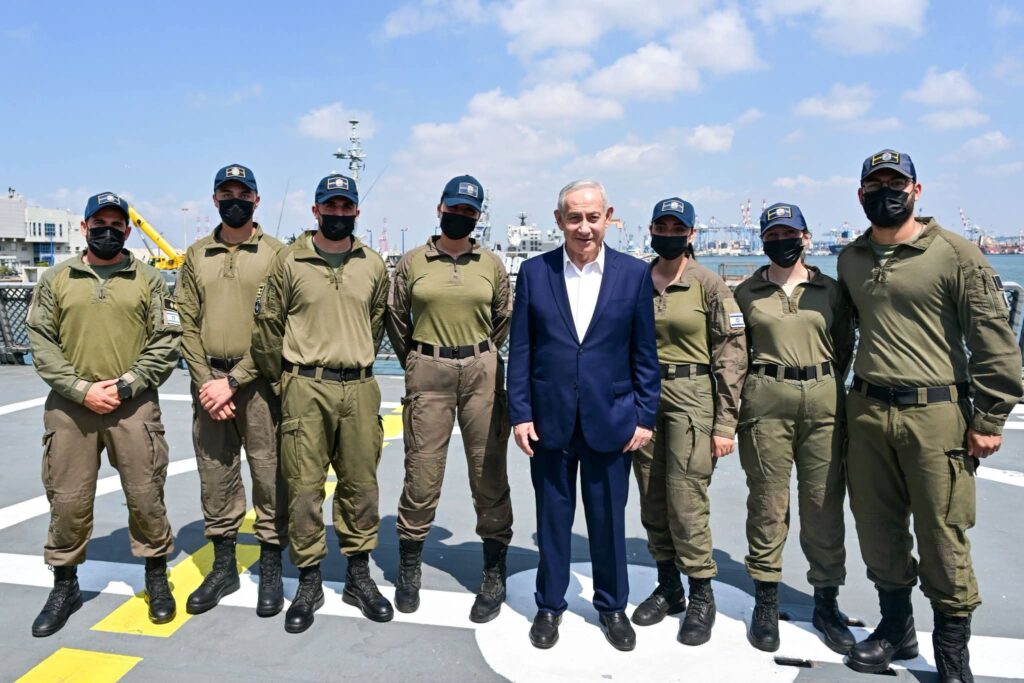
“I have set a simple goal: the goal of the Navy, and of the State of Israel, is to ensure the shipping lanes and the freedom of maritime trade, which are so vital to the State of Israel,” Netanyahu said during his address at the naval base.
He also commended the navy for its achievements to date and expressed confidence in its future operations, highlighting the importance of continued coordination with Israel’s broader security forces. Netanyahu wished the naval personnel success in their ongoing and future missions, underscoring their critical role in maintaining maritime security amid evolving regional challenges.
The visit comes as Israel continues to prioritize the protection of its maritime infrastructure and commercial shipping routes, which are considered essential to the country’s economic stability and national defense strategy.