Pangi Declared Himachal’s First Natural Farming Sub-Division, Locals Laud Move as Milestone for Sustainable Development.
Shimla:
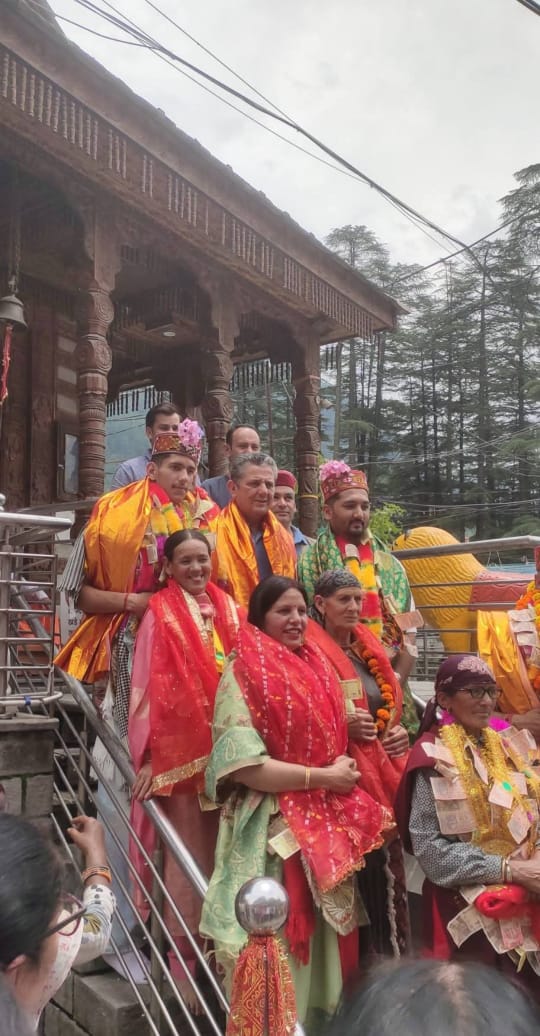
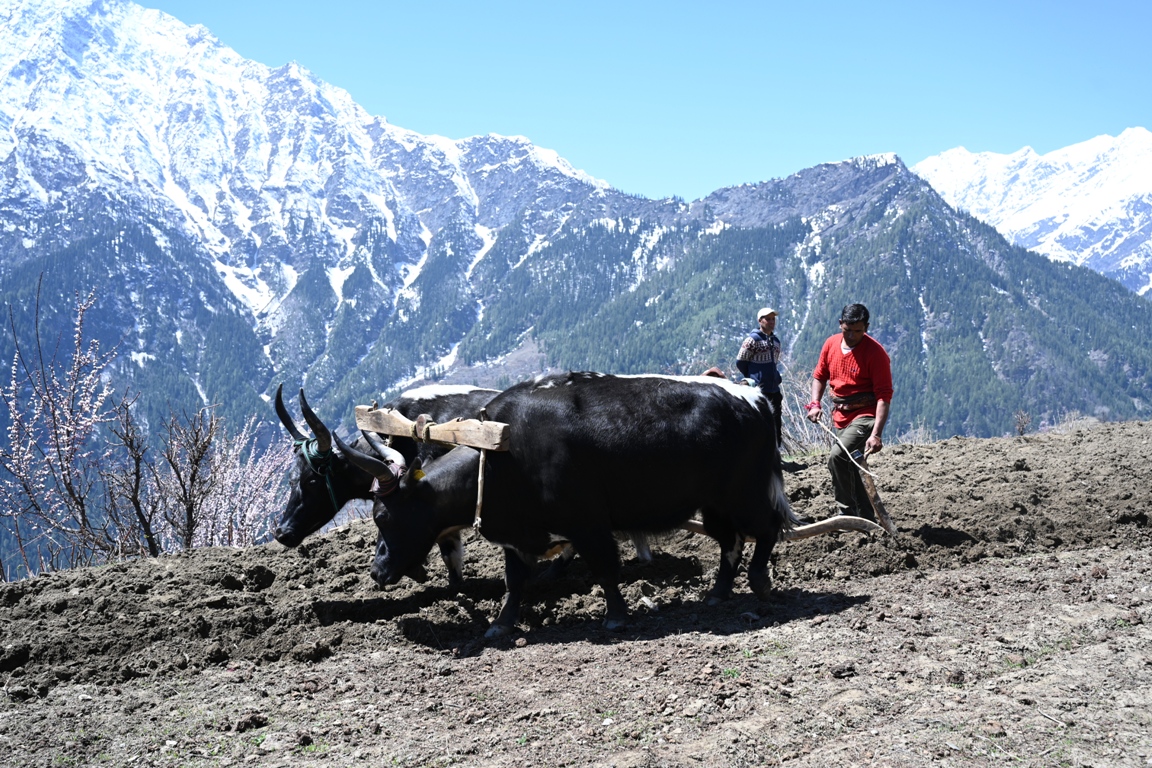
In a landmark move welcomed with enthusiasm across the tribal region, the Himachal Pradesh Government has officially declared Pangi Sub-Division in Chamba district as the state’s first Natural Farming Sub-Division. This significant announcement, fulfilling the Himachal Day commitment of Chief Minister Sukhvinder Singh Sukhu, is being hailed as a pivotal step towards sustainable agriculture, ecological preservation, and tribal welfare.
The notification, issued recently by the state government, has sparked a wave of hope and pride among residents of the remote and rugged valley, many of whom have long advocated for a return to chemical-free, traditional farming methods.
A Long-Awaited Recognition
Raj Kumar, a resident of Dhanvas in Pangi, said the decision was long overdue but deeply appreciated. “We’ve seen what chemical farming has done — the soil in many leased-out farms has turned barren. This move gives us a second chance to revive our lands and our livelihoods,” he said.
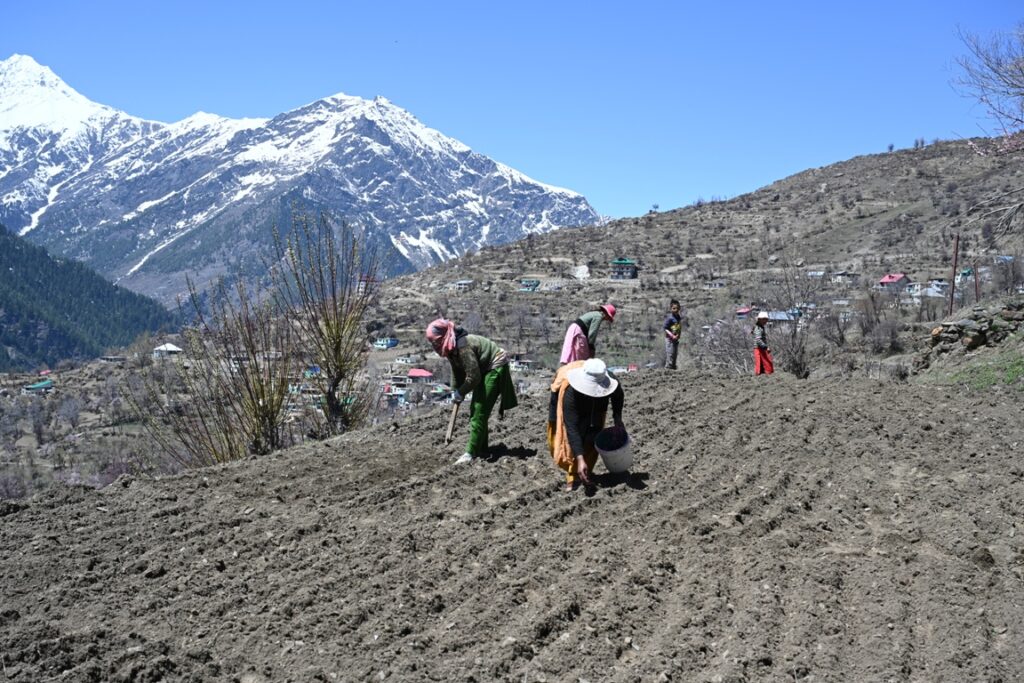
Currently, around 2,244 farmer families in Pangi are already engaged in natural farming. With this official recognition, the government now plans to convert all 2,920 hectares of cultivated land in the region — encompassing agriculture, horticulture, and allied sectors — into 100% natural farming zones.
Local Voices, Grounded Aspirations
Farmers, particularly women and smallholders, see the move as transformative. Sheela Devi and Sunita Kumari from Punto village expressed that while entrepreneurship has remained out of reach due to limited resources, chemical-free farming provides an opportunity to create a valuable legacy. “It’s not just about us—it’s about giving our children clean soil, healthy crops, and a future in farming,” said Sheela Devi.
Phased Implementation and Institutional Support
Acting on the Chief Minister’s directive, the State Agriculture Department has drafted a comprehensive roadmap for the transition. In the first phase, village-level assessments and awareness campaigns will be carried out. This will be followed by training sessions, demonstrations, and the establishment of Panchayat-level Bio-Input Resource Centres (BRCs). These centres will supply key natural inputs such as Beejamrit, Jeevamrit, Dashparni Ark, and Agniastra, and serve as training hubs — especially crucial for farmers without access to cattle.
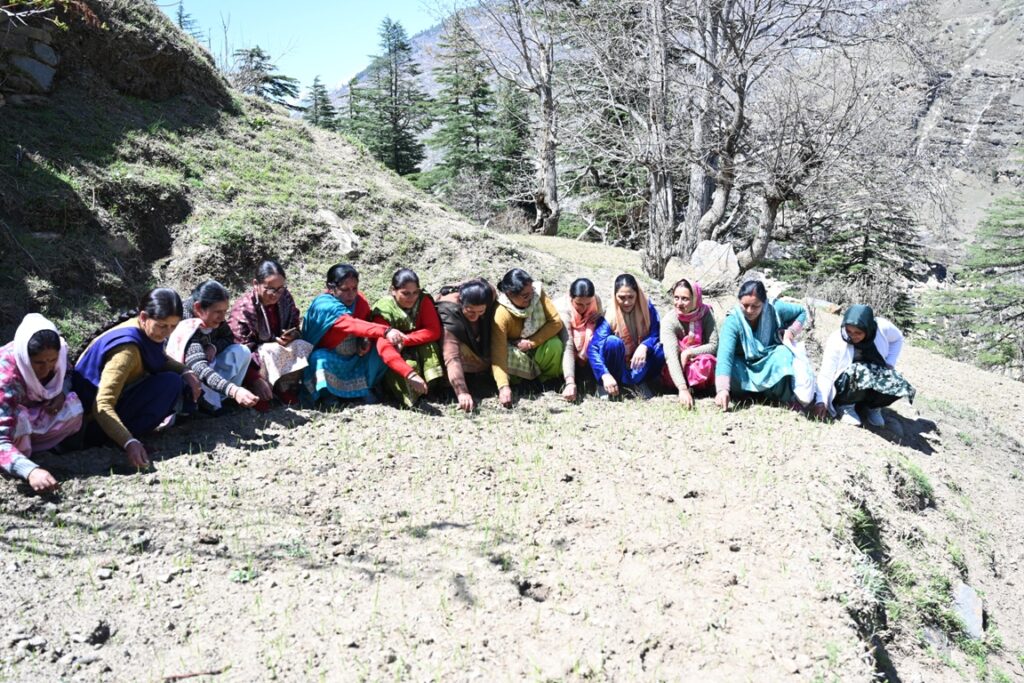
Later phases will see infrastructure development, including poly-houses, cold storages, and essential market linkages. The formation of Self-Help Groups (SHGs), Farmer Producer Organizations (FPOs), and Farmer Producer Companies (FPCs) will be actively encouraged to bolster collective strength.
Additionally, the government aims to pursue Large Area Certification (LAC) under the Participatory Guarantee System (PGS-India) — a peer-verified, community-led certification that would designate entire villages as organically managed zones.
Driving Tribal Development and Cultural Revival
Local leaders and youth view the move not just as an agricultural reform, but as a step toward reviving the region’s agro-cultural identity, promoting tribal entrepreneurship, and preserving heirloom seed varieties. Deepak Kumar, Pradhan of Suraal Gram Panchayat, called it “a major step for the economic empowerment of Pangi farmers.” He added, “Our naturally grown produce will finally receive the fair prices it deserves.”
A Government Committed to the Last Mile
A State Government spokesperson reiterated that the present administration, under Chief Minister Sukhu’s leadership, has prioritized the development of tribal and remote areas. From organizing its first Himachal Day event at Kaza to launching the ‘Sarkar Gaon Ke Dwar’ outreach initiative, the government has consistently focused on understanding and addressing the grassroots challenges faced by people in hard-to-reach regions.
With the declaration of Pangi as a Natural Farming Sub-Division, the government sets a precedent for sustainable, inclusive, and culturally rooted development — one that other regions in Himachal and beyond may soon look to emulate.