Global Cholera Deaths Surge by 50% in 2024, WHO Warns of ‘Very High’ Risk as Outbreaks Spread Across 60 Countries.
GENEVA:
The World Health Organization (WHO) has sounded the alarm on the escalating global cholera crisis, revealing a sharp 50% increase in deaths and a 5% rise in reported cases in 2024 compared to the previous year. The newly released global statistics show that over 6,000 people died from cholera last year — a preventable and treatable disease — with the true burden likely to be even higher due to significant underreporting.
In its annual assessment, WHO reported that 60 countries were affected by cholera in 2024, a worrying jump from 45 in 2023, highlighting the disease’s growing global footprint. The vast majority of cases — 98% — were concentrated in Africa, the Middle East, and Asia, regions already grappling with fragile health systems, ongoing conflict, climate shocks, and poor access to safe water and sanitation.
“The rising numbers reflect a convergence of global crises — from climate change and displacement to underinvestment in basic public health infrastructure,” WHO said in a statement.
Expanding Outbreaks and Rising Fatalities
A total of 12 countries each reported more than 10,000 cholera cases in 2024, including seven nations experiencing large-scale outbreaks for the first time. Notably, Comoros reported its first outbreak in over 15 years, signaling a dangerous resurgence of the disease even in areas previously considered cholera-free.
The case fatality ratio (CFR) in Africa increased from 1.4% in 2023 to 1.9% in 2024, exceeding the emergency threshold of 1%. This spike underscores deep gaps in access to life-saving care and the strain on already overstretched health systems.
Disturbingly, one in four cholera-related deaths occurred in the community, outside health facilities. This points to urgent deficiencies in healthcare access and early treatment, and a critical need for stronger community-based interventions.
A Disease Fueled by Inequity
Cholera is caused by the bacterium Vibrio cholerae, which spreads rapidly through contaminated water and thrives in environments with poor sanitation and hygiene. While the disease can be prevented through access to clean water, sanitation, and hygiene (WASH) services, and treated with timely rehydration therapy, such solutions remain out of reach for millions.
The continued spread of cholera is being fueled by:
- Armed conflict displacing populations and disrupting water supplies.
- Climate change increasing the frequency of floods and droughts.
- Poor WASH infrastructure, especially in informal settlements and remote areas.
- Limited access to health services, particularly in rural and marginalized communities.
“Cholera is a disease of inequity,” WHO stressed. “It thrives in the cracks of broken systems.”
Vaccination Efforts Under Pressure
In a bid to control outbreaks, WHO highlighted the critical role of oral cholera vaccines (OCV). In early 2024, a new vaccine — Euvichol-S® — was prequalified and added to the global OCV stockpile. This helped keep stock levels above the emergency threshold of 5 million doses through mid-2025.
However, demand continues to far exceed supply. In 2024 alone, 61 million doses were requested, but only 40 million were approved for use in 16 countries through single-dose emergency campaigns — a temporary measure that replaced the standard two-dose regimen due to limited availability.
This supply-demand gap has persisted into 2025, reflecting the urgent need for increased investment in vaccine production and more predictable supply chains.
Cholera in 2025: A Continuing Crisis
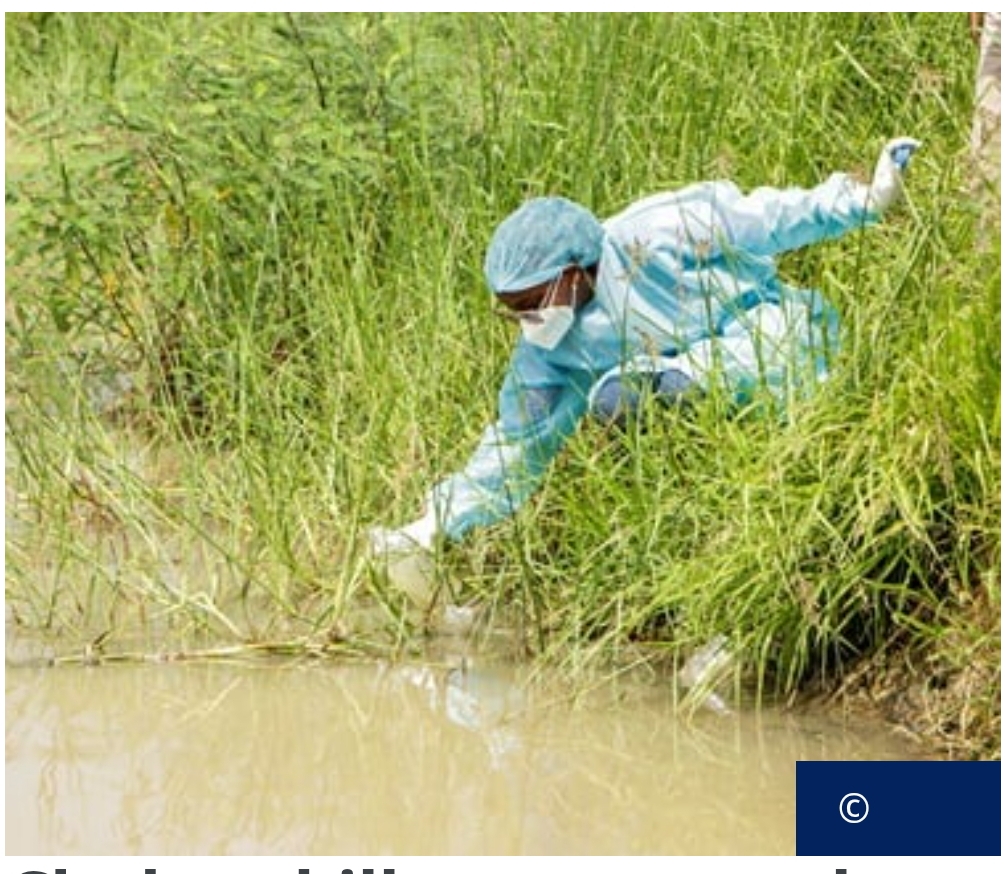
Preliminary WHO data indicates that 31 countries have already reported cholera outbreaks in the first nine months of 2025. The agency continues to assess the global risk of cholera as ‘very high’, reinforcing the need for sustained international attention and resources.
To address the crisis, WHO is working with countries and partners to:
- Strengthen disease surveillance and early detection.
- Improve case management and treatment access.
- Enhance water, sanitation, and hygiene infrastructure.
- Support vaccine delivery and logistics.
- Scale up community engagement and risk communication.
“The resurgence of cholera globally is a wake-up call,” WHO emphasized. “Without bold, coordinated action, more lives will be lost to a disease we already know how to prevent and treat.”
Call for Urgent Global Action
The WHO is urging governments, donors, and development partners to take immediate action to:
- Ensure universal access to clean water and sanitation.
- Improve public health infrastructure in at-risk areas.
- Expand vaccine production capacity.
- Strengthen primary healthcare systems.
- Empower communities with accurate health information.
“Ending cholera is not only about stopping outbreaks — it’s about investing in equity, resilience, and the fundamental right to health,” WHO concluded.
As cholera continues to exploit the world’s most vulnerable communities, WHO’s message is clear: the world must act — not just in response to outbreaks, but to address the root causes that allow cholera to thrive. Without urgent intervention, the trajectory of this preventable disease will only grow deadlier.