DR Congo Faces Worst Cholera Outbreak in 25 Years; Over 64,000 Infected, UNICEF Warns of Severe Impact on Children.
Kinshasa:
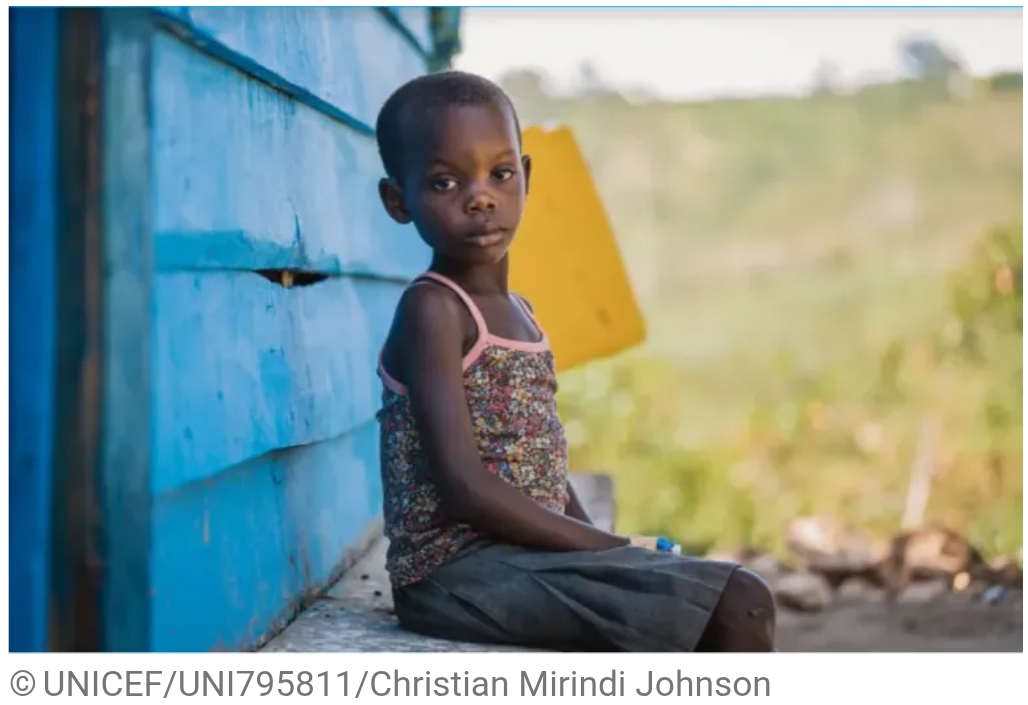
The Democratic Republic of the Congo (DRC) is battling its worst cholera outbreak in a quarter-century, with 64,427 cases and 1,888 deaths reported since the beginning of the year, UNICEF announced on Monday. The humanitarian agency warned of the outbreak’s devastating toll on children, who represent nearly one in four infections, with 14,818 child cases and 340 deaths recorded so far.
UNICEF highlighted that the outbreak has not only endangered children’s health but also severely disrupted education and family life. One of the most tragic incidents unfolded at a Kinshasa orphanage, where 16 out of 62 children died within days after cholera rapidly spread through the facility.
“Congolese children should not be so gravely affected by what is a wholly preventable disease,” said John Agbor, UNICEF Representative in the DRC. He urged government authorities to significantly expand investments in water, sanitation, hygiene and health services, particularly in known cholera hotspots. “These steps are essential to safeguard the well-being of Congolese families and children.”
Widespread Crisis Across Provinces
Seventeen out of the country’s 26 provinces — including the capital, Kinshasa — are currently affected. Although the percentage of child cases varies by region, children account for an average of 23.4% of infections nationwide.
The outbreak is driven by chronic challenges such as limited access to clean water and sanitation. According to the 2024–2025 Demographic and Health Survey, just 43% of the population has access to basic water services, the lowest rate in Africa, while only 15% have access to basic sanitation.
The situation is worsened by ongoing conflict and displacement in eastern DRC, climate shocks such as heavy rainfall and flooding that damage WASH infrastructure, and rapid urbanization that has overwhelmed public services. In regions with little previous exposure to cholera—such as Kinshasa—low disease awareness and late access to treatment have caused unusually high fatality rates.
Government Response and Funding Gaps
The DRC government has introduced several strategies, including the Multisectoral Cholera Elimination Plan (PMSEC) 2023–2027, which requires $192 million but remains severely underfunded. A mid-term review in May 2025 called for stronger coordination and greater financial support.
Additionally, authorities recently launched the “River Congo without cholera” initiative to address sanitation gaps at river ports, improve hygiene on boats, raise awareness among travelers, and expand access to safe drinking water along major waterways.
UNICEF’s Emergency Actions
UNICEF is working across multiple sectors to contain the outbreak, supporting rapid response teams using the Case-Area Targeted Intervention (CATI) strategy to quickly trace, treat, and isolate cases. The organization is also bolstering cholera treatment centers, improving WASH infrastructure in schools and health centers, and leading nationwide prevention campaigns.
Between January and October 2025, more than 13.5 million people were reached through UNICEF-backed community engagement efforts on cholera prevention.
Agbor emphasized the urgent need for international support. “The funding pipeline for 2026 looks very fragile, and without additional funds and coordinated action, many more lives could be lost,” he warned. UNICEF estimates that $6 million is required next year to sustain rapid-response cholera control efforts.
As the country struggles with one of its largest public-health emergencies in decades, UNICEF and health authorities continue to call for immediate, collective action to save lives and prevent the outbreak from spiraling further.