Cheaper Sugary Drinks and Alcohol Driving Global Rise in Noncommunicable Diseases and Injuries: WHO
WHO calls on governments to strengthen health taxes to curb consumption, save lives and raise revenue.
Geneva:
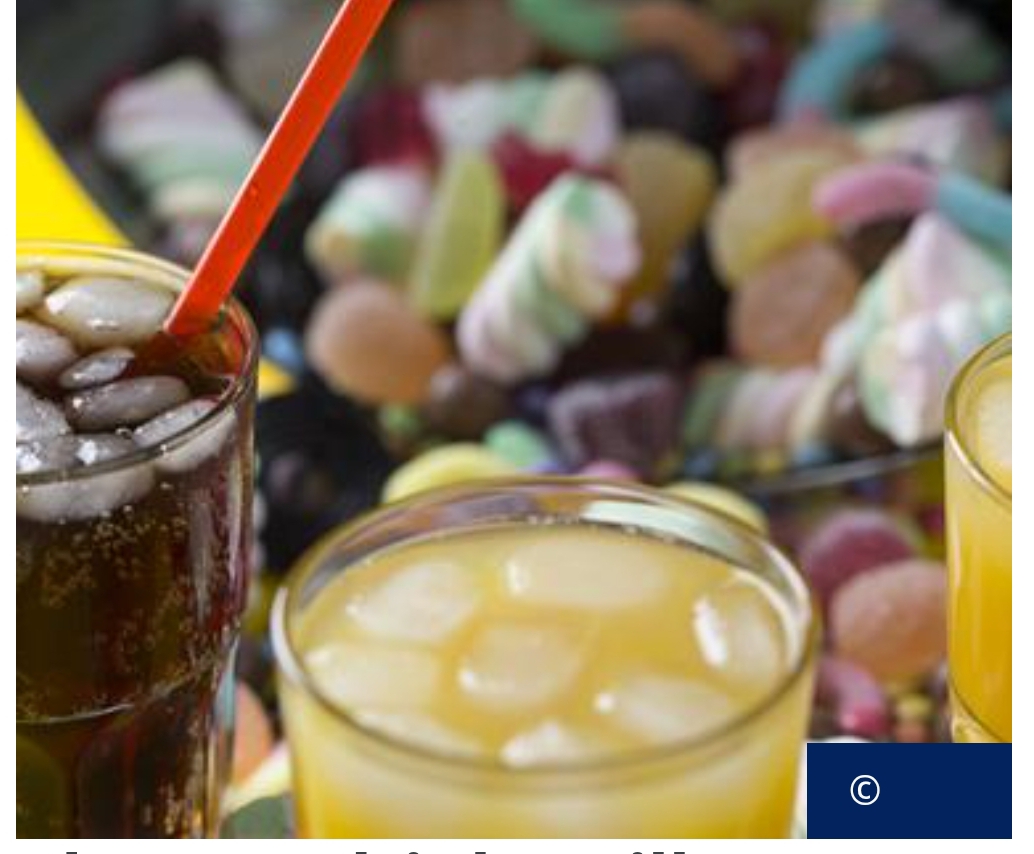
The World Health Organization (WHO) has warned that the declining real prices of sugary drinks and alcoholic beverages across much of the world are fueling a sharp rise in noncommunicable diseases (NCDs) and injuries, particularly among children and young adults. In two new global reports released on Wednesday, the UN health agency urged governments to urgently strengthen and redesign taxes on these health-harming products.
According to WHO, persistently low tax rates in most countries have made sugary drinks and alcohol increasingly affordable, leading to higher consumption and a surge in obesity, diabetes, cardiovascular diseases, cancers, violence and injury-related deaths. At the same time, national health systems are under mounting financial pressure due to the growing burden of preventable illnesses.
“Health taxes are one of the strongest tools we have for promoting health and preventing disease,” said WHO Director-General Dr Tedros Adhanom Ghebreyesus. “By increasing taxes on products like tobacco, sugary drinks and alcohol, governments can reduce harmful consumption and unlock funds for vital health services.”
Governments Capture Little Value as Health Costs Rise
The reports highlight a stark imbalance between corporate profits and public health outcomes. While the global market for sugary drinks and alcoholic beverages generates billions of dollars in profits for producers, governments collect only a small fraction of this value through health-related taxation. As a result, societies are left to shoulder the long-term health and economic costs linked to excessive consumption.
WHO data show that at least 116 countries currently tax sugary drinks, primarily carbonated soft drinks. However, many high-sugar products — including 100% fruit juices, sweetened milk drinks, and ready-to-drink coffees and teas — often remain untaxed. Although 97% of countries impose taxes on energy drinks, this figure has not changed since the last global assessment in 2023, signaling a slowdown in policy progress.
Alcohol Becoming More Affordable Despite Health Risks
A separate WHO report on alcohol taxation found that at least 167 countries levy taxes on alcoholic beverages, while 12 countries ban alcohol entirely. Despite this, alcohol has become more affordable or remained at similar prices in most countries since 2022, largely because tax rates have failed to keep pace with inflation and rising incomes.
The report also points to major policy gaps, noting that wine remains completely untaxed in at least 25 countries, mostly in Europe, despite clear scientific evidence linking alcohol consumption — including wine — to increased risks of cancer, liver disease and injuries.
“More affordable alcohol drives violence, injuries and disease,” said Dr Etienne Krug, Director of WHO’s Department of Health Determinants, Promotion and Prevention. “While industry profits, the public often carries the health consequences and society bears the economic costs.”
Weak Tax Shares and Limited Coverage
The findings reveal that tax shares on harmful products remain strikingly low worldwide. Median excise taxes account for just 14% of the retail price of beer and 22.5% of spirits. Sugary drink taxes are even weaker, with the median levy representing only about 2% of the retail price of a typical sugary soda.
In many countries, these taxes apply only to a narrow range of beverages, leaving large portions of the market untouched. Additionally, few governments routinely adjust health taxes for inflation, allowing sugary drinks and alcohol to become progressively more affordable over time.
Public Support and WHO’s “3 by 35” Initiative
Despite political hesitancy in some regions, public support for higher health taxes remains strong. A 2022 Gallup Poll found that a majority of respondents favored higher taxes on alcohol and sugary beverages.
In response to the findings, WHO is calling on governments to adopt stronger health tax policies under its newly launched “3 by 35” initiative. The initiative aims to increase the real prices of three products — tobacco, alcohol and sugary drinks — by 2035, making them less affordable over time while generating sustainable revenue for health and social services.
WHO emphasized that well-designed health taxes can deliver multiple benefits simultaneously: reducing consumption of harmful products, preventing disease and premature deaths, and strengthening healthcare systems through increased public revenue.
“Health taxes are a win for public health and for public finances,” the organization said, urging countries to act decisively to protect current and future generations.