WHO Urges Mental Health to Be Central to Care for Neglected Tropical Diseases.
Geneva:
The World Health Organization (WHO) has called for mental health and stigma reduction to become core components of care for neglected tropical diseases (NTDs), warning that efforts to eliminate these diseases will fall short unless the psychological and social impacts on affected people are properly addressed.
In a major new publication, WHO for the first time sets out a practical, evidence-based framework to tackle the mental health consequences of NTDs alongside physical treatment. The Essential care package to address mental health and stigma for persons with neglected tropical diseases responds to growing evidence that people living with NTDs experience significantly higher rates of depression, anxiety, psychological distress and suicidal behaviours than the general population.
According to WHO, these mental health challenges are driven not only by the direct effects of illness, but also by widespread stigma, discrimination and social exclusion that prevent people from seeking care and participating fully in society.
The Essential Care Package (ECP) provides governments, health leaders and frontline services with clear guidance on how to integrate mental health support and stigma reduction into existing NTD programmes and health systems. It covers prevention, identification, assessment, management and follow-up, with the aim of embedding mental health care within routine NTD services rather than treating it as an optional add-on.
With more than one billion people affected by NTDs worldwide, WHO warns that progress towards elimination will remain limited unless mental health and stigma are addressed as central elements of disease management.
“NTDs take a far greater toll on mental and social well-being than is often recognised,” said Dr Daniel Ngamije Madandi, Director of the WHO Department of Malaria and Neglected Tropical Diseases. “By integrating mental health and tackling stigma head-on, the Essential care package equips countries to confront the full reality of NTDs and move closer to WHO’s vision of complete well-being.”
Practical actions at every level
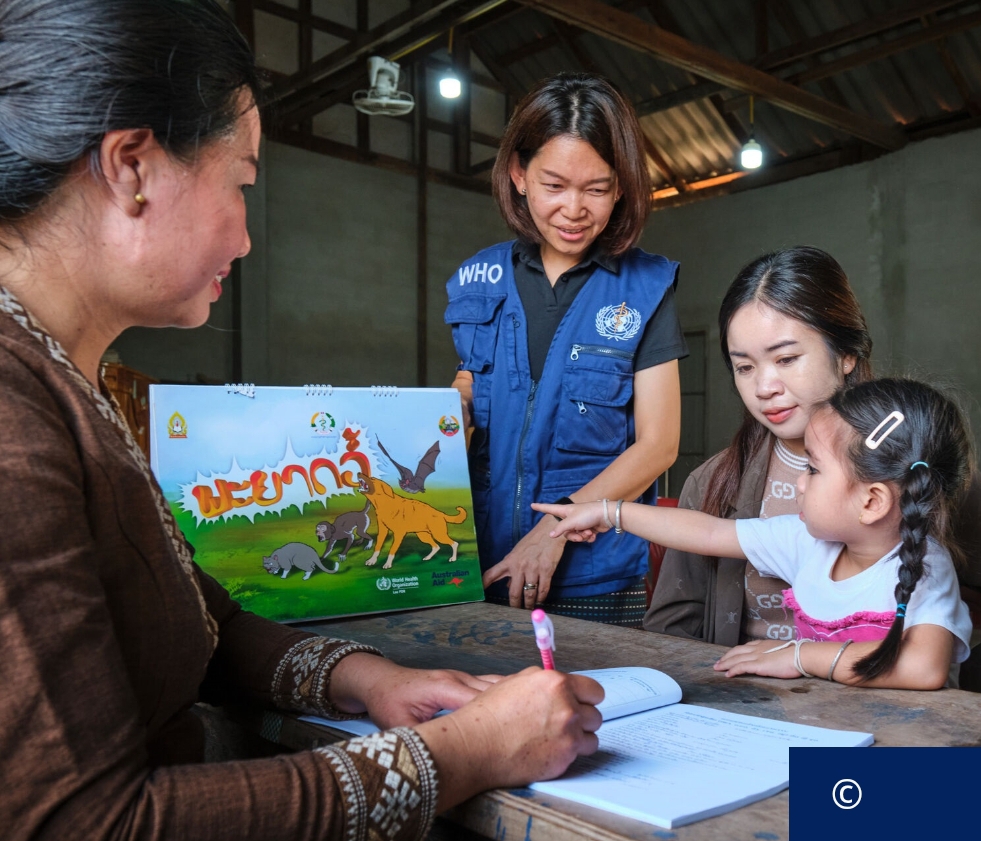
The ECP sets out concrete, practical actions with clearly defined responsibilities for people affected by NTDs, families and communities, health workers and health system leaders. It calls for people living with NTDs to be supported to recognise psychological distress, know where and how to seek help, access peer support, and understand their rights to health care, employment and community life.
Families and communities are identified as critical to recognising distress early, encouraging help-seeking, and challenging attitudes and behaviours that drive stigma and exclusion.
Professor Julian Eaton, Senior Lecturer in Global Mental Health at the Liverpool School of Tropical Medicine, said that genuine integration is essential for NTD programmes to succeed.
“Integration does not work when it is treated as an extra checkbox for already stretched services,” he said. “This package is invaluable because it sets out what good integration looks like in practice, from involving people with lived experience in service design, to routine screening and compassionate care, to referral pathways and peer support that reduce isolation and self-stigma.”
Focus on frontline services and health systems
For frontline health workers, the ECP emphasises routine, compassionate and person-centred care. It recommends embedding mental health assessment and support within NTD services, including basic psychoeducation, regular screening and clear referral pathways to peer support, physical health care and specialist mental health services.
Training is highlighted as essential not only to build clinical skills, but also to reduce stigmatising attitudes within health services and ensure that comorbid mental health needs are properly recorded.
At the health system level, the ECP stresses the need for coordinated planning between NTD and mental health programmes, rather than parallel or fragmented delivery. Key recommendations include strengthening community-based support such as peer groups, incorporating mental health indicators into routine NTD data collection, and exploring collaborative care models, including embedding mental health specialists within NTD services.
WHO said these measures are designed to make integrated care feasible even in resource-constrained settings, improving overall wellbeing, strengthening treatment adherence, and accelerating progress towards NTD elimination and universal health coverage.
The Essential Care Package was developed by WHO in collaboration with a broad international partnership spanning non-governmental organisations, academic institutions and organisations representing people affected by NTDs, reflecting a shared commitment to addressing the full physical, mental and social impact of neglected tropical diseases.