Sudan’s Health System Collapses Amid Prolonged War, Millions Left Without Care.
Khartoum:
After three years of ongoing conflict, Sudan is grappling with what has become the world’s largest humanitarian and health crisis, with millions facing disease, hunger, and a collapsing medical system.
According to the World Health Organization (WHO), an estimated 34 million people now require humanitarian assistance, while nearly 21 million lack access to essential health services. The situation remains particularly dire in conflict-affected regions, where continued violence has crippled already fragile health infrastructure.
WHO Director-General Tedros Adhanom Ghebreyesus described the crisis as devastating, stating that the war has deprived millions of basic rights, including access to health care, food, water, and safety. He emphasized that while health workers continue to save lives, they require secure environments and adequate medical supplies to operate effectively, adding that “ultimately, the best medicine is peace.”
Rising Disease and Malnutrition
The crisis has triggered a surge in disease outbreaks and malnutrition. Over 4 million people are projected to be acutely malnourished in 2026, leaving them highly vulnerable to illness and complications.
Multiple disease outbreaks have been reported across several states, including Al Jazirah, Darfur, Gedaref, Khartoum, Kordofan, River Nile, and White Nile. These include malaria, dengue, measles, polio (cVDPV2), hepatitis E, meningitis, and diphtheria, further overwhelming the weakened health system.
Health Facilities Under Attack
The ongoing conflict has taken a devastating toll on healthcare infrastructure. Across Sudan’s 18 states, nearly 37% of health facilities are non-functional. Hospitals, ambulances, patients, and health workers have been repeatedly targeted, severely limiting access to care.
Since April 15, 2023, WHO has verified 217 attacks on healthcare facilities, resulting in over 2,052 deaths and 810 injuries. In conflict hotspots such as Greater Darfur and Kordofan, fighting has displaced communities and disrupted the delivery of humanitarian aid.
A recent attack on El Daein Teaching Hospital in East Darfur left at least 64 people dead, including children and medical staff, and rendered the facility inoperable. The hospital had served as a crucial referral center for hundreds of thousands of residents in the region.
WHO Regional Director for the Eastern Mediterranean Hanan Balkhy warned that Sudan’s crisis continues to deepen, with millions facing hunger, disease, and limited access to medical care. She stressed the urgent need for both immediate humanitarian assistance and long-term solutions.
WHO Steps Up Response
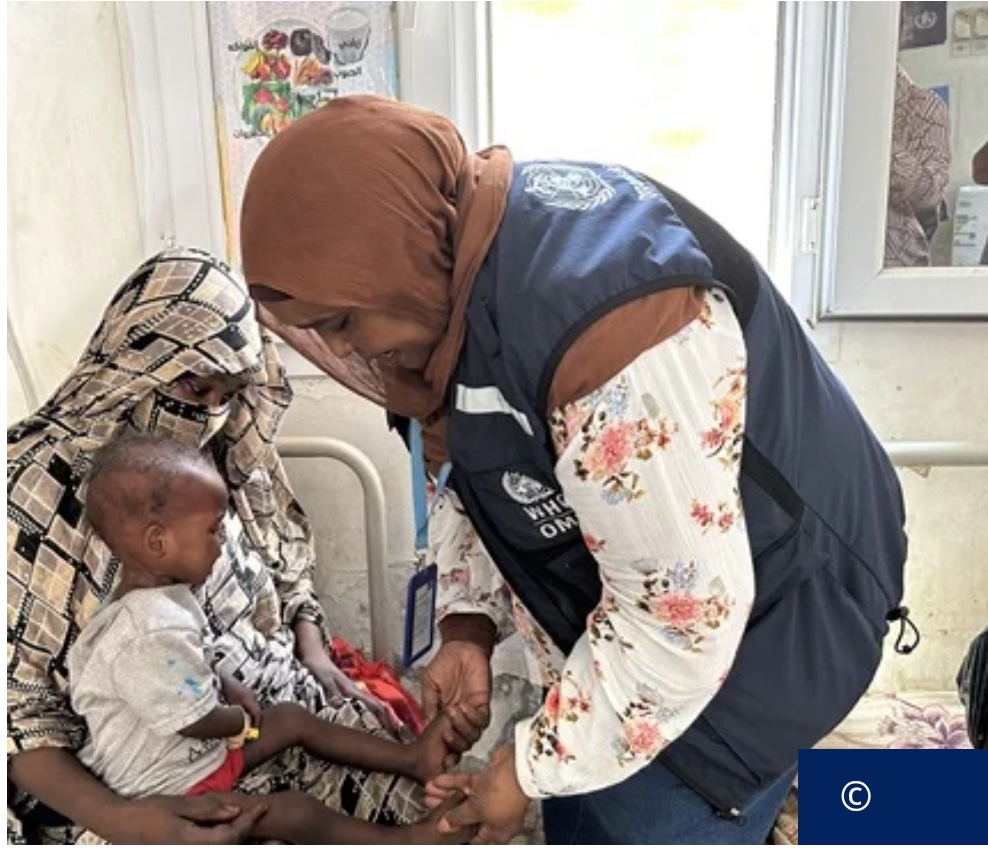
Despite the challenges, WHO has maintained a presence in Sudan since the conflict began. WHO Representative Shible Sahbani stated that the organization is scaling up efforts as access improves in some areas, focusing on both emergency response and early recovery of the health system.
Since April 2023, WHO has delivered over 3,300 metric tons of essential medicines and supplies, including treatments for cholera, malaria, malnutrition, and trauma care. WHO-supported services have reached more than 4.1 million people through primary health centers, mobile clinics, and hospitals.
Efforts have also included treating over 118,000 children suffering from severe acute malnutrition and conducting large-scale vaccination campaigns. More than 46 million people have been immunized against diseases such as cholera, polio, diphtheria, measles, and rubella. Notably, Sudan became the first country in the region to introduce malaria vaccines into its routine immunization program.
WHO, in collaboration with national health authorities, also successfully contained two cholera outbreaks, with the most recent declared over in March 2026 following an extensive response that included vaccinating 24.5 million people.
Call for Peace and Support
WHO has reiterated its commitment to supporting Sudan’s population but has called for unrestricted humanitarian access, protection of healthcare services, and sustained funding to address both immediate and long-term needs.
As the conflict drags on, the message from global health leaders remains clear: without peace, Sudan’s health crisis will continue to worsen, leaving millions at risk and the nation’s recovery uncertain.