
Himachal Becomes First State to Introduce One-Time Pollution Consent for Industries, Valid for Up to 25 Years.
Shimla:
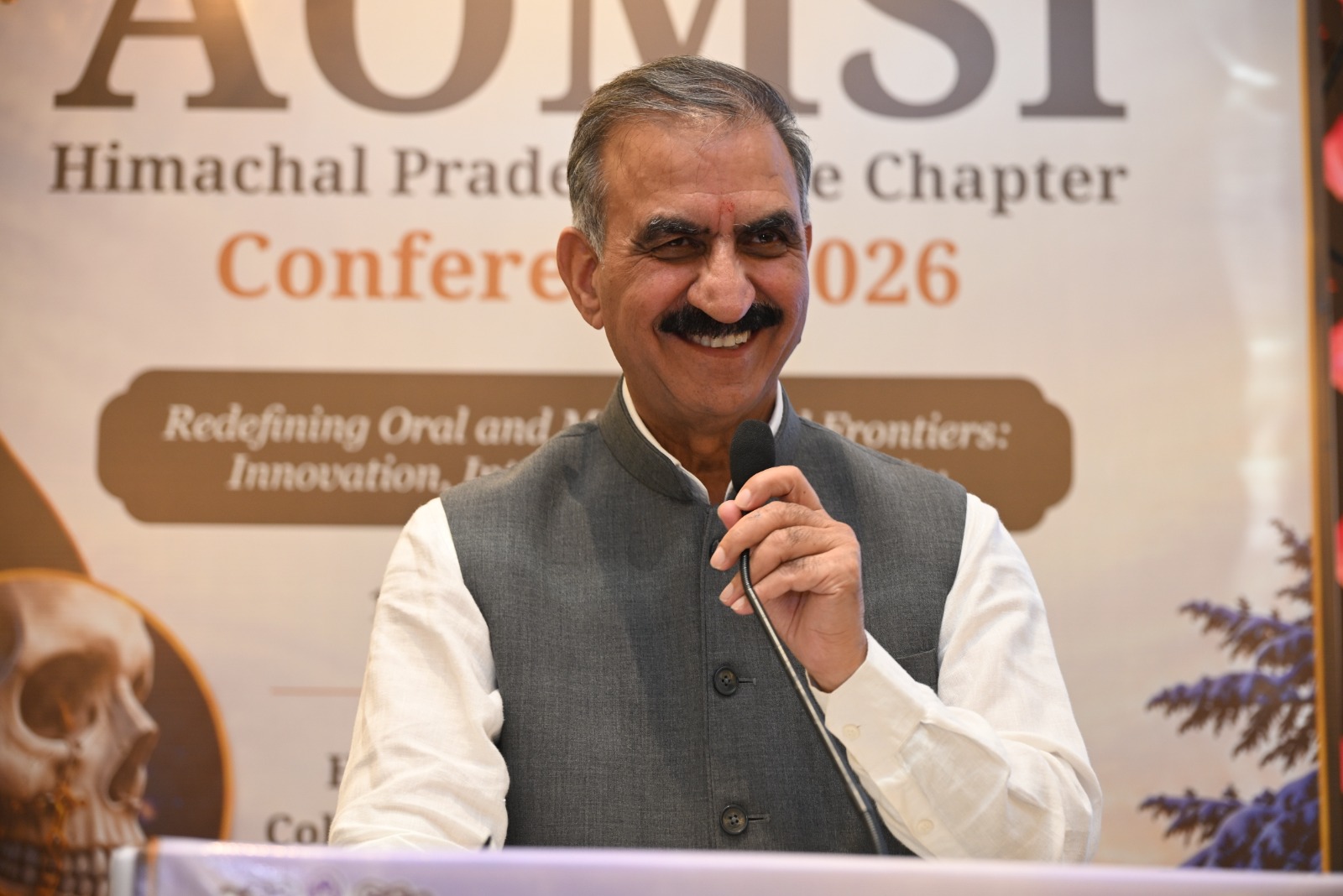
In a landmark move aimed at boosting industrial growth and improving the ease of doing business, the Himachal Pradesh government has introduced a one-time consent certificate system for industries through the Himachal Pradesh State Pollution Control Board (HPSPCB). The initiative, announced by Chief Minister Thakur Sukhvinder Singh Sukhu, makes Himachal Pradesh the first state in the country to implement such a regulatory reform.
The decision has been taken under the government’s flagship “Speed of Doing Business” initiative, which seeks to simplify regulatory procedures, reduce bureaucratic hurdles, and create a more investor-friendly business environment in the state.
Addressing the development, Chief Minister Thakur Sukhvinder Singh Sukhu said that all registered industries in Himachal Pradesh will now be issued a one-time consent certificate by the HPSPCB. Around 12,500 registered industrial units in the state, which earlier had to undergo repeated consent renewal processes, will now benefit from the new system. The validity of these certificates will range from five to 25 years, depending on the category of the industry and its pollution potential.
The Chief Minister said the reform would significantly strengthen the state’s commitment to improving the ease of doing business while also enhancing the ease of living for entrepreneurs. Industrialists will no longer be required to make repeated visits to the offices of the Pollution Control Board for renewing consent certificates, thereby saving both time and resources. To ensure quicker service delivery, the Board has also delegated powers to its subordinate offices.
He pointed out that industries had often faced operational disruptions in the past due to procedural delays and lapses, including the disconnection of electricity in certain cases. Such interruptions adversely affected industrial productivity. The newly introduced policy is expected to provide substantial relief to industrial units by ensuring uninterrupted operations and a more streamlined regulatory process.
The Chief Minister further said that the state government is continuously introducing progressive reforms to make the business ecosystem more transparent, efficient, and investment-friendly. As part of the new framework, industries have been categorised based on their operational capacity and pollution potential, allowing for a simplified consent approval process. Definite timelines have also been prescribed for issuing consent certificates to each category, while accountability has been fixed for officers responsible for any undue delays.
He added that the government remains committed to promoting industrial development and attracting greater investment through policy simplification and administrative reforms. Financial and regulatory powers have also been delegated to regional officers, enabling quicker decision-making and more effective implementation of industrial policies across the state.
Highlighting the significance of the initiative, the Chief Minister said Himachal Pradesh has become the first state in the country to introduce a one-time consent certificate system for industries. He expressed confidence that the reform would provide a major boost to industrial development, strengthen investor confidence, and reinforce the state’s vision of “Speed of Doing Business.”
The Chief Minister also stated that the government is carrying out comprehensive improvements to the online approval system to eliminate unnecessary bureaucratic processes and ensure seamless functioning of industries. The implementation of the new mechanism is expected to reduce nearly 70 per cent of the clerical workload in the Pollution Control Board, allowing the available workforce to be deployed more efficiently in other key functions.