Nepal Flash Floods Leave Over 17,000 Children in Urgent Need of Humanitarian Aid.
Kathmandu:
At least 17,000 children have been affected by devastating flash floods that struck Nepal’s Rasuwa, Nuwakot and Dhading districts on August 26, leaving communities cut off and creating an urgent humanitarian crisis.
According to UNICEF, an estimated 332 people have died, including at least 14 children, while hundreds of others remain missing. The death toll is expected to increase as search and rescue operations continue in the worst-affected areas.
UNICEF Representative to Nepal Alice Akunga said children in Rasuwa and Dhading had witnessed their homes, schools and medical facilities being swept away or severely damaged within a very short period.
“With the death toll still rising, we know this tragedy is far from over,” Akunga said, warning that children who survived the floods now face increased risks of disease, malnutrition, violence and exploitation.
Communities cut off as vital infrastructure damaged
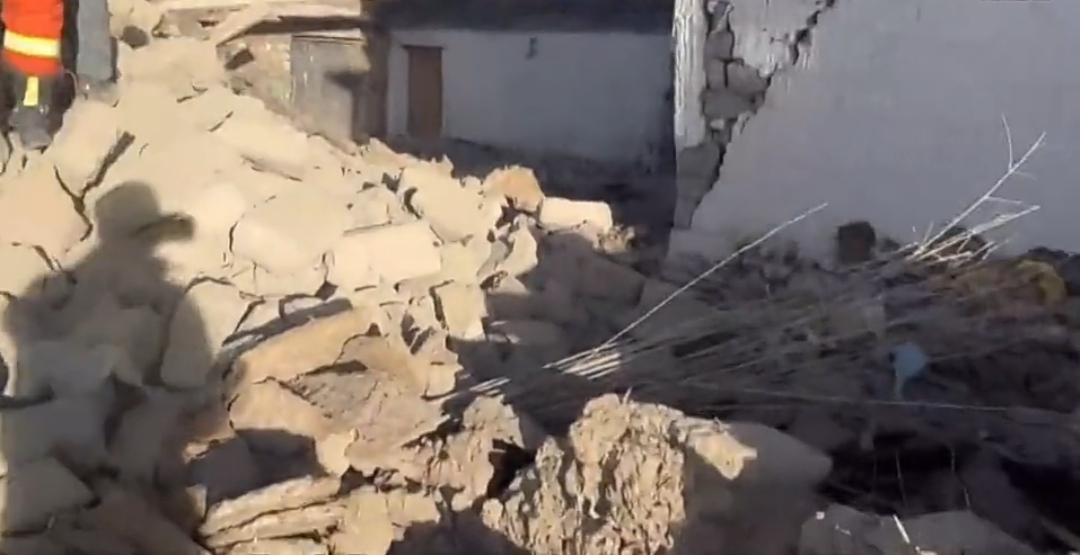
The flash floods have swept away or isolated entire communities, severely damaging roads, bridges, hydropower facilities, water supply systems and telecommunications networks.
The destruction has made several affected areas difficult to access and is hampering the delivery of essential relief supplies and life-saving assistance.
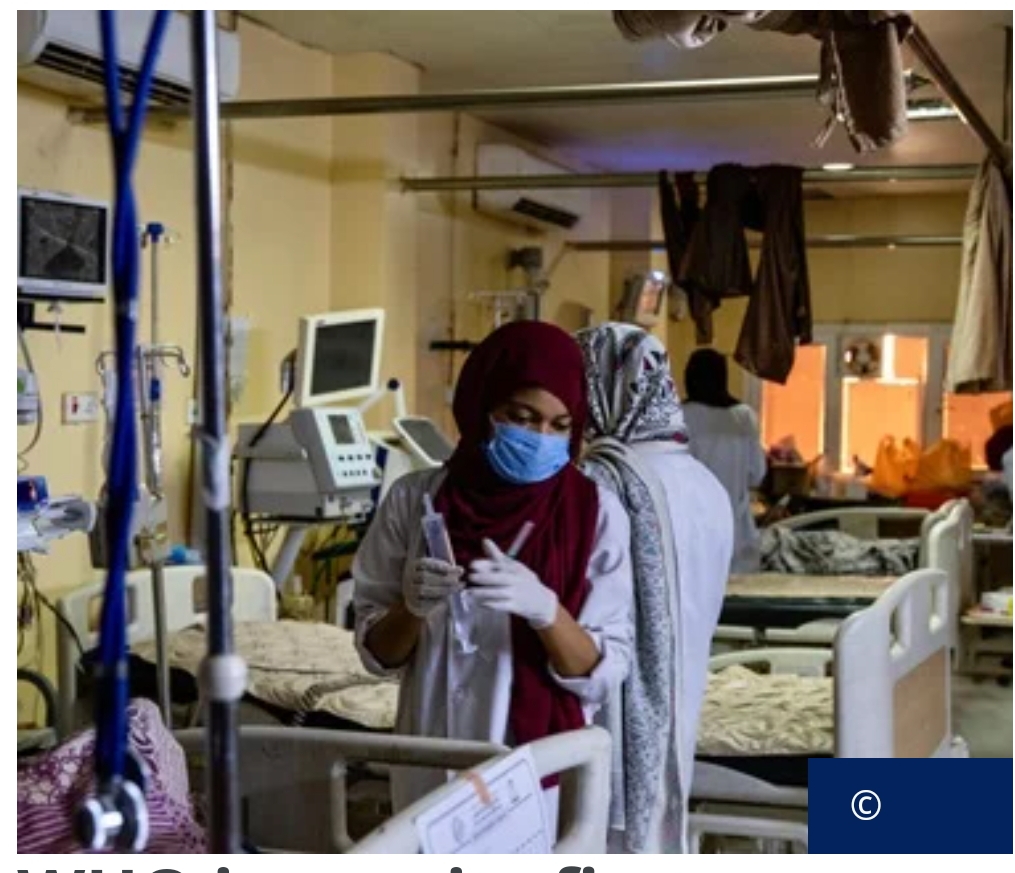
At least four health facilities have been severely damaged, restricting access to healthcare for children and families at a time when medical assistance is urgently needed.
The floods have also caused extensive damage to the education system. Eighteen schools have been completely destroyed, while another 20 schools have suffered damage. Several other schools located near riverbanks remain at risk.
UNICEF estimates that around 10,000 school-age children require immediate support to continue their education. Assistance is expected to include temporary learning centres, replacement educational materials and psychosocial support for children and teachers affected by the disaster.
UNICEF scales up emergency response
UNICEF is working closely with the Government of Nepal and humanitarian partners to expand emergency assistance across several critical sectors, including health, nutrition, water, sanitation and hygiene (WASH), education, child protection and social protection.
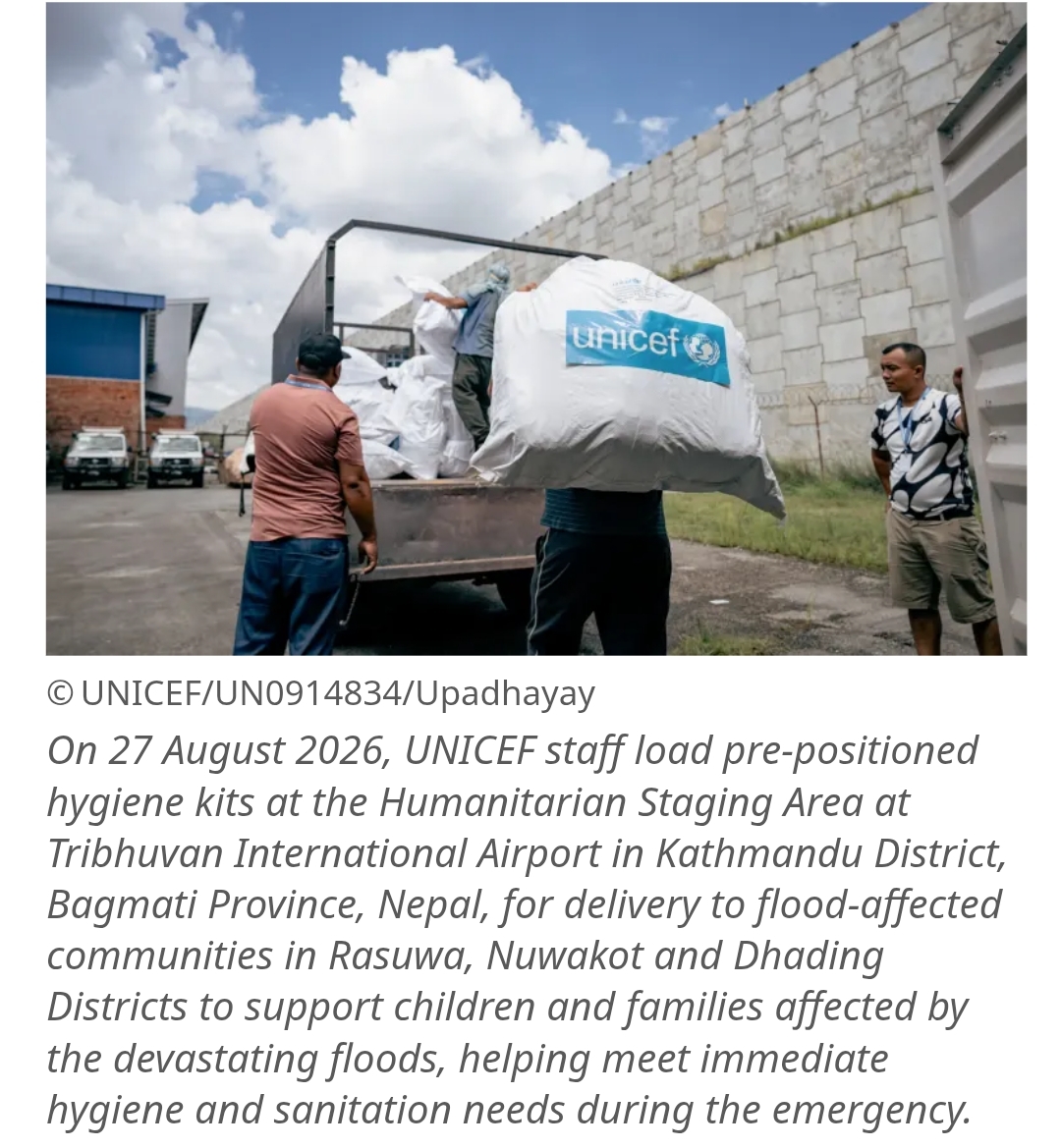
Pre-positioned relief supplies are being dispatched to some of the worst-hit communities. These include medical tents, bed nets, newborn kits and therapeutic food for children suffering from acute malnutrition.
Emergency hygiene kits are also being distributed to thousands of affected households to help prevent the spread of disease and protect families from further health risks.
Mental health and psychosocial support teams have been mobilised to assist children, families and teachers dealing with the trauma caused by the floods.
UNICEF is also working with authorities to identify, register and reunite children who have been separated from or are missing their families.
Emergency cash assistance planned
To help affected families meet their immediate needs, UNICEF is supporting the Government of Nepal in delivering emergency cash assistance to vulnerable households.
The assistance is intended to help families obtain essential goods and services while reducing the likelihood that they will be forced to adopt harmful coping mechanisms following the loss of homes, livelihoods and other basic necessities.
UNICEF appeals for $17.2 million
UNICEF has appealed for US$17.2 million to sustain its emergency response and support early recovery efforts until a comprehensive assessment of the disaster’s full impact and humanitarian needs can be completed.
The agency warned that without urgent and flexible funding, its ability to provide essential services to children—including children with disabilities—and women could be severely constrained.
The requested funding will support emergency and early-recovery interventions in health, nutrition, WASH, education, child protection and social protection, with a particular focus on reaching children and families in isolated and severely affected communities.
As search and rescue operations continue, the scale of destruction and humanitarian needs is expected to become clearer, with thousands of children now depending on rapid relief and sustained support to recover from the disaster.