Early Warning System for Ghepan Glacial Lake to Be Installed in September: DC Kiran Bhadana.
Shimla:
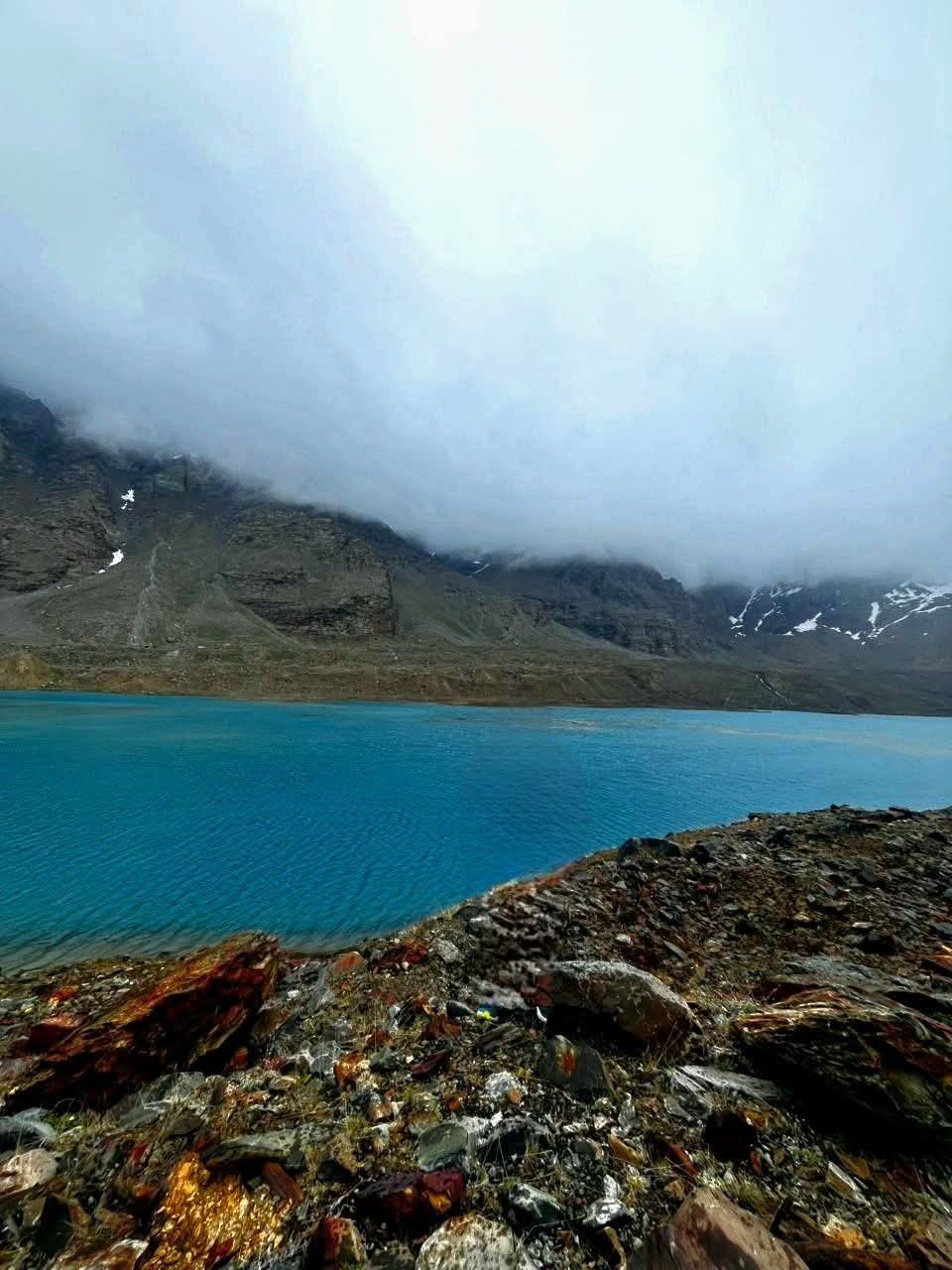
In view of the devastating floods and loss of life and property caused by a glacial outburst in the hills of China-occupied Tibet on August 26, 2026, which affected Nepal, the Lahaul-Spiti district administration has decided to further strengthen surveillance and precautionary measures concerning the Ghepan Glacial Lake, located at an altitude of approximately 4,070 metres.
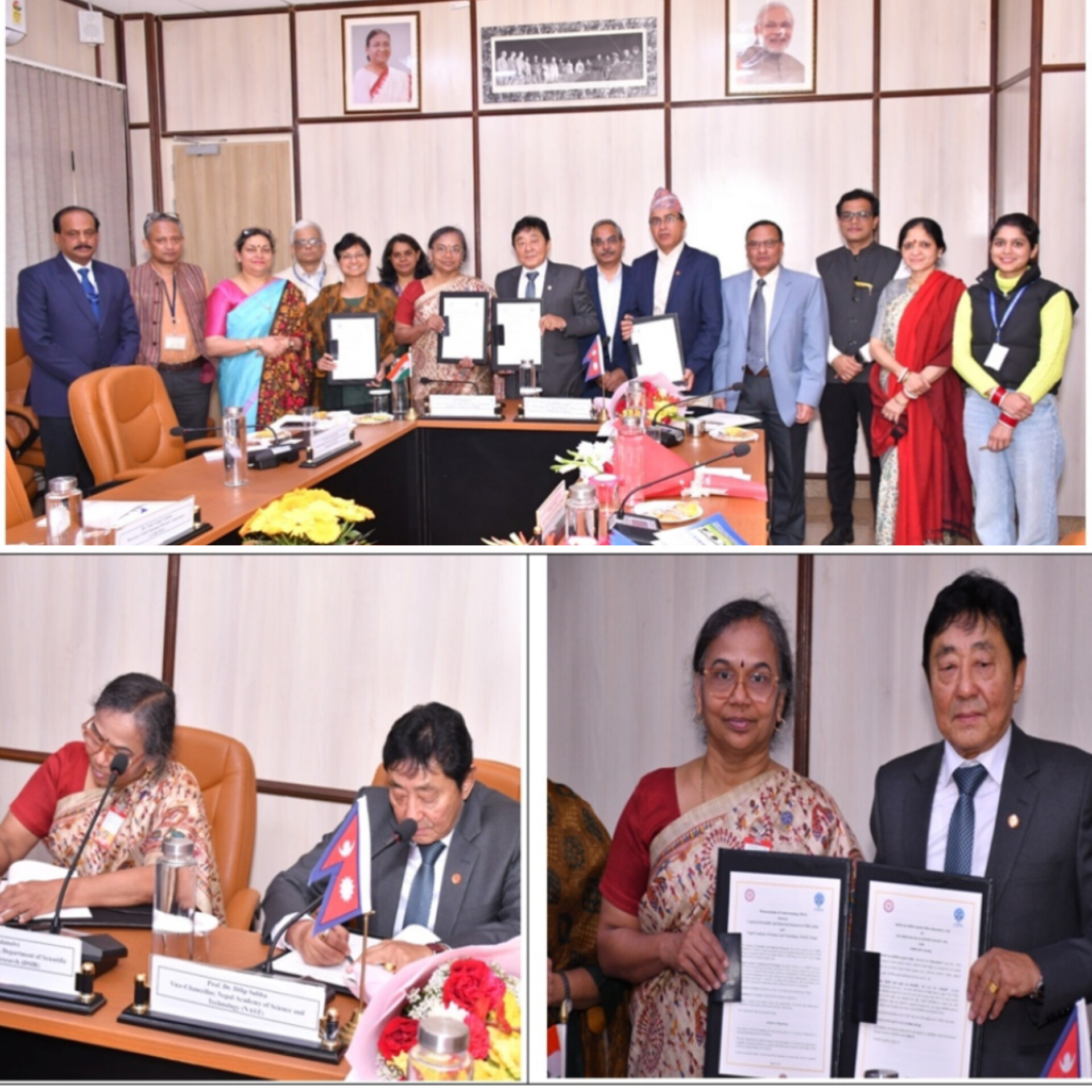
Deputy Commissioner and Chairman of the District Disaster Management Authority (DDMA), Lahaul-Spiti, Kiran Bhadana, said that an Early Warning System (EWS) will be installed at Ghepan Glacial Lake through the Centre for Development of Advanced Computing (C-DAC), Thiruvananthapuram, to enable continuous monitoring of the lake’s water level and other critical parameters and facilitate timely transmission of information. The system is proposed to be installed during September, subject to the final approval order from the National Disaster Management Authority (NDMA).
Successful Trial Conducted at Sissu Lake
The Deputy Commissioner said that C-DAC has successfully conducted a trial of the Early Warning System at Sissu Lake, during which essential data and information related to the lake were successfully received. Based on the success of the trial, similar technology is being considered for continuous monitoring of Ghepan Lake.
She said the proposed system would strengthen the administration’s ability to monitor changes in the lake and receive timely information about important parameters, thereby supporting early preparedness and response in case of any emerging threat.
Five-Member GSI Team to Conduct 14-Day Scientific Study
Kiran Bhadana further informed that a five-member team of experts from the Geological Survey of India (GSI) will visit the Ghepan Lake area on September 1, 2026, to undertake a comprehensive scientific assessment of potential risks associated with the glacial lake.
The expert team is scheduled to remain in the area for approximately 14 days and conduct a detailed scientific survey of the lake and its surrounding terrain. The study will include mapping of the Ghepan Lake area, identification and demarcation of vulnerable zones prone to avalanches and landslides, assessment of lake depth and water flow, and analysis of meteorological data.

A detailed report based on the scientific assessment will subsequently be submitted to the State Disaster Management Authority. The Deputy Commissioner also said that the district administration will send a separate team to the lake area in September for a direct assessment of its present condition.
ISRO Had Flagged Expansion of Lake in 2023
The Deputy Commissioner said that in November 2023, the Indian Space Research Organisation (ISRO) had informed the district administration through various channels about the increasing size of Ghepan Lake. ISRO had reportedly pointed out that the lake had expanded considerably compared to its normal size and advised the administration to take necessary precautionary measures considering the potential risk.
Following this, in July 2024, a team comprising 23 officials and employees from various departments, led by the then Deputy Commissioner, visited the lake situated at an altitude of 4,070 metres. The team conducted a detailed assessment of possible risks in the event of a lake outburst and examined measures that could help minimise potential damage. A report based on the assessment was subsequently submitted to the State Disaster Management Authority.
34 Vulnerable Locations Identified
Kiran Bhadana said that measures recommended by experts are being implemented in a phased manner. The administration’s objective is to minimise potential loss of life and property and ensure that rescue and relief operations can be launched without delay in the event of an emergency.
She said that 34 locations from Sissu to the Himachal Pradesh border have been identified as vulnerable areas in the event of a possible outburst of Ghepan Lake. Residents in these areas are being regularly sensitised and trained by the District Disaster Management Authority regarding disaster preparedness, immediate response and necessary safety precautions.
Various government departments are also being involved in the process so that every department is fully aware of its responsibilities and role during a disaster.
Local Rapid Response Teams Formed
The administration has also constituted Local Rapid Response Teams in Sissu and Shashin villages to strengthen community-level preparedness and response mechanisms.
The district administration has further sought additional financial assistance from the State Disaster Management Authority to accelerate disaster risk reduction and mitigation measures in the vulnerable areas.
High Flood Level Marking at 32 Locations
The Deputy Commissioner said Ghepan Lake is approximately 11 kilometres from Sissu, while the distance from the lake via Udaipur to the district’s final boundary is around 90 kilometres.
Keeping in view the potential impact of flooding, the administration has started High Flood Level (HFL) marking at vulnerable locations under the framework of the National Disaster Management Authority. A total of 32 locations have been identified for this purpose.
The HFL markings will provide a clear and permanent reference regarding the potential level of flooding. They will help residents living near rivers and other vulnerable areas better understand flood risks and will also strengthen preparedness and rapid response during an emergency.
Special GLOF Monitoring Committee Being Constituted
In addition to these precautionary measures, the district administration is constituting a dedicated Glacial Lake Outburst Flood (GLOF) Monitoring Committee at the district level.
The committee will comprise officials from various departments along with experienced mountaineers and individuals with expertise and field experience in the region. It will periodically conduct field inspections of Ghepan Lake and its surrounding areas and assess potential hazards, including loose rocks, unstable terrain and other geological or environmental risks.
The committee will also work on strategies for risk reduction, necessary mitigation measures and an effective action plan for emergency response.
Scientific Monitoring and Community Preparedness to Remain Key Focus
Deputy Commissioner Kiran Bhadana said the district administration is working continuously to reduce the potential risks associated with Ghepan Glacial Lake through scientific monitoring, expert assessment, early warning technology, community training and inter-departmental coordination.
She emphasised that the administration’s foremost priority is to ensure effective preparedness before any potential disaster occurs and to place the safety of people above all other considerations during any emergency.