
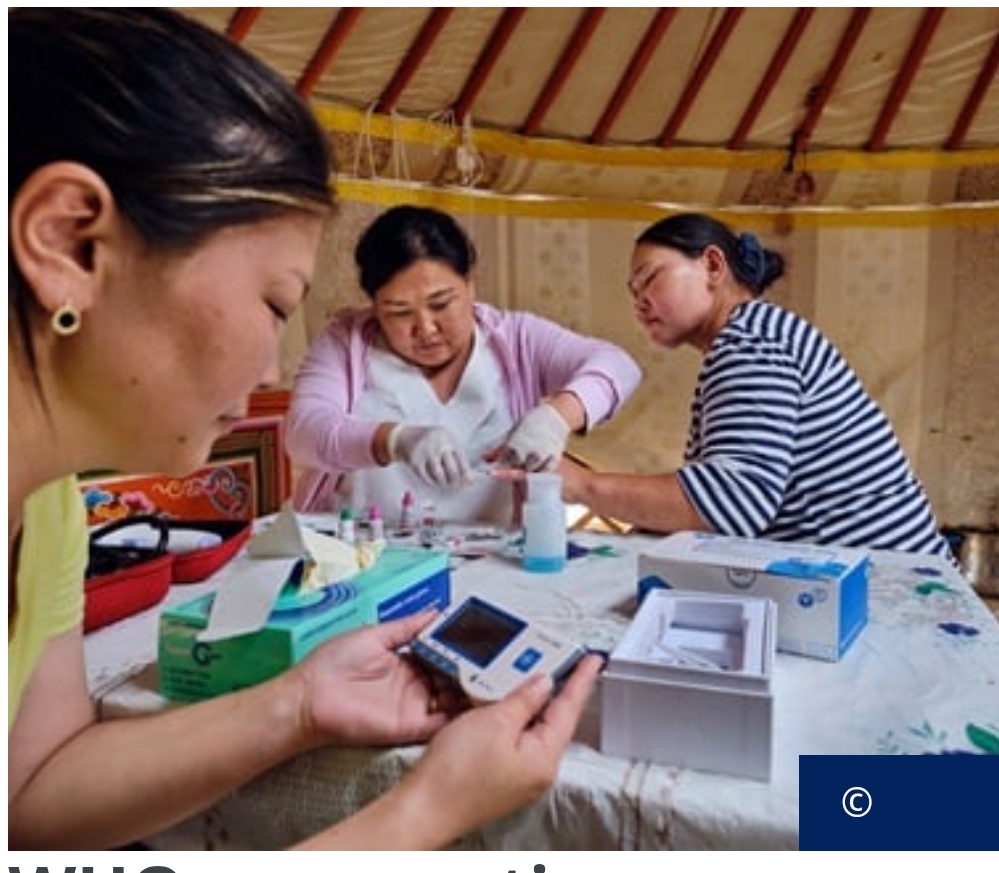
World Hepatitis Day 2025: WHO Urges Urgent Action to Eliminate Viral Hepatitis and Reduce Liver Cancer Deaths.
GENEVA:
As the world marks World Hepatitis Day on Tuesday, the World Health Organization (WHO) has issued a powerful call to governments and health partners to dramatically step up efforts to eliminate viral hepatitis as a public health threat and curb the growing burden of liver cancer.
“Every 30 seconds, someone dies from a hepatitis-related severe liver disease or liver cancer,” said WHO Director-General Dr Tedros Adhanom Ghebreyesus. “Yet we have the tools to stop hepatitis.”
The message comes amid growing global concern over the low rates of diagnosis and treatment for chronic hepatitis infections, which continue to affect hundreds of millions of people and contribute to more than 1.3 million deaths annually, mostly from liver cirrhosis and cancer.
A Global Health Crisis in Numbers
Viral hepatitis – which includes five strains (A, B, C, D, and E) – remains one of the world’s leading causes of liver-related illness and death. Among these, types B, C, and D pose the highest risk due to their potential to become chronic, leading to cirrhosis, liver failure, or cancer.
Together, hepatitis B, C, and D currently affect over 300 million people globally. Despite the high burden, most individuals are unaware they are infected, leaving them untreated and vulnerable to life-threatening complications.
Hepatitis D Now Officially Classified as Carcinogenic
In a significant development, the International Agency for Research on Cancer (IARC) has reclassified hepatitis D as carcinogenic to humans, on par with hepatitis B and C. Hepatitis D, which only occurs in individuals already infected with hepatitis B, increases the risk of liver cancer by two- to six-fold compared to hepatitis B alone.
“This reclassification marks a critical step in our efforts to raise global awareness, improve screening, and expand access to new treatments for hepatitis D,” said Dr Meg Doherty, WHO’s incoming Director of Science for Health. WHO has already released updated testing guidelines for hepatitis B and D and is closely tracking clinical outcomes from promising new treatments.
Tools Exist – But Are Underused
Effective treatments exist: oral medication can cure hepatitis C in 2–3 months, while lifelong antiviral therapy can manage hepatitis B. Treatment options for hepatitis D are still emerging but show promise.
Yet WHO warns that progress is being stifled by insufficient service coverage, lack of integration into health systems, and limited funding. Only 13% of people with hepatitis B and 36% with hepatitis C had been diagnosed by 2022. Even fewer received treatment – just 3% for hepatitis B and 20% for hepatitis C – falling far short of the 2025 global targets of 60% diagnosed and 50% treated.
Progress and Promising Trends
Despite these challenges, there are signs of progress:
- The number of countries with national hepatitis action plans has more than doubled – from 59 in 2024 to 123 in 2025;
- 129 countries now have policies in place for hepatitis B testing among pregnant women, up from 106 last year;
- 147 countries have introduced the hepatitis B birth dose vaccine, a key tool in preventing mother-to-child transmission.
Integration of hepatitis services into broader healthcare systems is also expanding:
- 80 countries now offer hepatitis services through primary healthcare;
- 128 countries have integrated hepatitis services into HIV programs;
- But only 27 countries have integrated hepatitis C care into harm reduction centers for people who inject drugs – a key group at risk.
WHO’s 2030 Goal: 2.8 Million Lives Saved
The WHO has set ambitious targets to eliminate viral hepatitis by 2030. If prevention, testing, and treatment coverage are scaled up urgently, 2.8 million lives could be saved and 9.8 million new infections prevented.
With donor support on the decline, WHO is urging countries to prioritize domestic investment, strengthen health data systems, increase access to affordable medicines, and tackle stigma and discrimination that keep people from seeking care.
Global Advocacy and New Partnerships
This year’s World Hepatitis Day campaign, “Hepatitis: Let’s break it down”, highlights the urgency of confronting the rising toll of liver cancer caused by chronic hepatitis infections. The campaign calls for breaking down the barriers of stigma, misinformation, and funding gaps that hinder prevention and care.
To amplify its message, WHO has partnered with Rotary International and the World Hepatitis Alliance to mobilize communities, policymakers, and civil society through coordinated outreach and a global webinar.
“Civil society and community leadership are essential to sustaining progress,” said WHO in a joint statement. “Hepatitis elimination is achievable, but only if we act together and act now.”
Key Facts at a Glance
- 1.3+ million deaths from hepatitis-related liver disease annually
- 300+ million people chronically infected with hepatitis B, C, or D
- Every 30 seconds, someone dies from a hepatitis-related condition
- Hepatitis D now classified as carcinogenic to humans
- Only 3% of people with hepatitis B and 20% with hepatitis C are receiving treatment
- 2030 Goal: Eliminate viral hepatitis as a public health threat globally.