Indonesia Marks World Breastfeeding Week 2025 by Strengthening Support Systems for Mothers.
Jakarta:
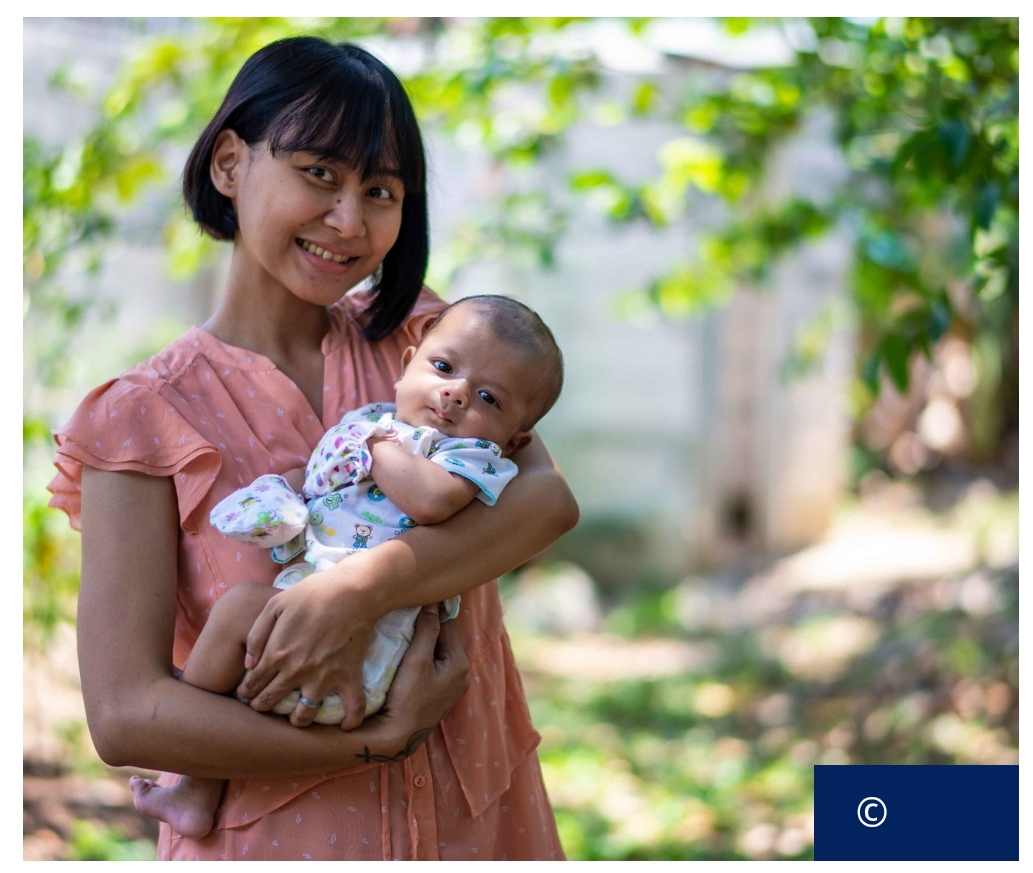
As the world observes World Breastfeeding Week from 1–7 August, Indonesia is extending the celebration throughout the month to raise awareness and rally support for breastfeeding mothers. Under this year’s theme — “Prioritize Breastfeeding: Create Sustainable Support Systems” — UNICEF and the World Health Organization (WHO) are urging stronger, long-term support mechanisms for mothers to ensure every child gets the healthiest start to life.
Indonesia has made significant strides in promoting breastfeeding. The rate of exclusive breastfeeding among infants under six months rose from 52% in 2017 to 66.4% in 2024, a noteworthy achievement reflecting the dedication of families, healthcare providers, and the government. However, many infants still do not receive exclusive breastfeeding for the full six months recommended by global health experts.
“By investing in support systems for breastfeeding mothers, we create a vital safety net that ensures no mother has to navigate breastfeeding challenges alone,” said Maniza Zaman, UNICEF Representative in Indonesia. “When women and their babies are supported to breastfeed successfully, it sets off a chain of positive outcomes — not only for the child’s development, but also for stronger families, healthier communities, and ultimately a better future for the nation.”
Dr. N. Paranietharan, WHO Representative to Indonesia, added, “Indonesia’s steady rise in exclusive breastfeeding is a remarkable achievement. With stronger support systems, every mother in Indonesia can have the resources needed to exclusively breastfeed for the full recommended six months.”
UNICEF and WHO emphasized that effective breastfeeding support spans across multiple levels — from trained health workers and hospital protocols, to community-based assistance and family-friendly workplace policies. When mothers are supported both at home and in public spaces, they are more likely to initiate and sustain breastfeeding.
Breastfeeding: A Lifesaving, Sustainable Choice
Breastfeeding is more than a feeding method; it is a baby’s first immunization. It provides essential nutrients and antibodies, boosts cognitive development by 3–4 IQ points, lowers risks of obesity, and protects against non-communicable diseases. Babies who are not breastfed are up to 14 times more likely to die before their first birthday.
Beyond health, breastfeeding is environmentally sustainable — unlike formula production, it does not require packaging, industrial processing, or transport, thereby reducing carbon emissions and waste.
Call to Action: Strengthening Support Systems
To protect and enhance breastfeeding in Indonesia, UNICEF and WHO are calling on all stakeholders — from government institutions and workplaces to healthcare providers and communities — to:
- Expand access to skilled breastfeeding counselling, both in-person and via remote services like the Ministry of Health’s tele-counselling program.
- Ensure maternity facilities implement the Ten Steps to Successful Breastfeeding under the Baby-Friendly Hospital Initiative.
- Enforce the International Code of Marketing of Breast-milk Substitutes (BMS) to protect families from aggressive or unethical marketing.
- Integrate breastfeeding education into health professional training programs.
- Adopt family-friendly workplace policies, including paid maternity leave, dedicated lactation spaces, and flexible hours for working mothers.
As Indonesia celebrates World Breastfeeding Week 2025, UNICEF and WHO reiterate their commitment to building a supportive environment where every mother can breastfeed confidently and every child can grow up healthy, strong, and protected.