
Over 600 Killed as Devastating Earthquake Strikes Eastern Afghanistan; Entire Villages Flattened.
Kabul:
A powerful magnitude 6.0 earthquake struck eastern Afghanistan in the early hours today, leaving a trail of destruction across remote mountainous regions and killing more than 600 people, according to the Taliban’s Ministry of Interior.

The quake hit at a shallow depth of just 8 kilometers (5 miles)—a factor that greatly intensifies surface-level destruction. Tremors were felt across the region, shaking buildings as far as Kabul and Islamabad, Pakistan’s capital.
Entire Villages Destroyed, Hundreds Feared Trapped
Initial reports from local authorities and humanitarian agencies paint a grim picture: entire villages have been reduced to rubble, and hundreds are feared trapped beneath the debris. Emergency response teams, already stretched thin, are racing against time to search for survivors using whatever equipment is available in the largely inaccessible areas.
“Many homes have collapsed, and families are still buried beneath,” said a local elder in Paktika province, one of the worst-hit areas. “We are digging with our hands. There is no machinery.”
Remote, Mountainous Terrain Complicates Relief Efforts
The epicenter of the quake lies in Afghanistan’s eastern highlands, an area that is not only geographically isolated but also logistically underdeveloped, hampering immediate rescue and relief operations. Damaged roads, unstable terrain, and spotty communications are making it difficult for officials to assess the full scale of devastation.
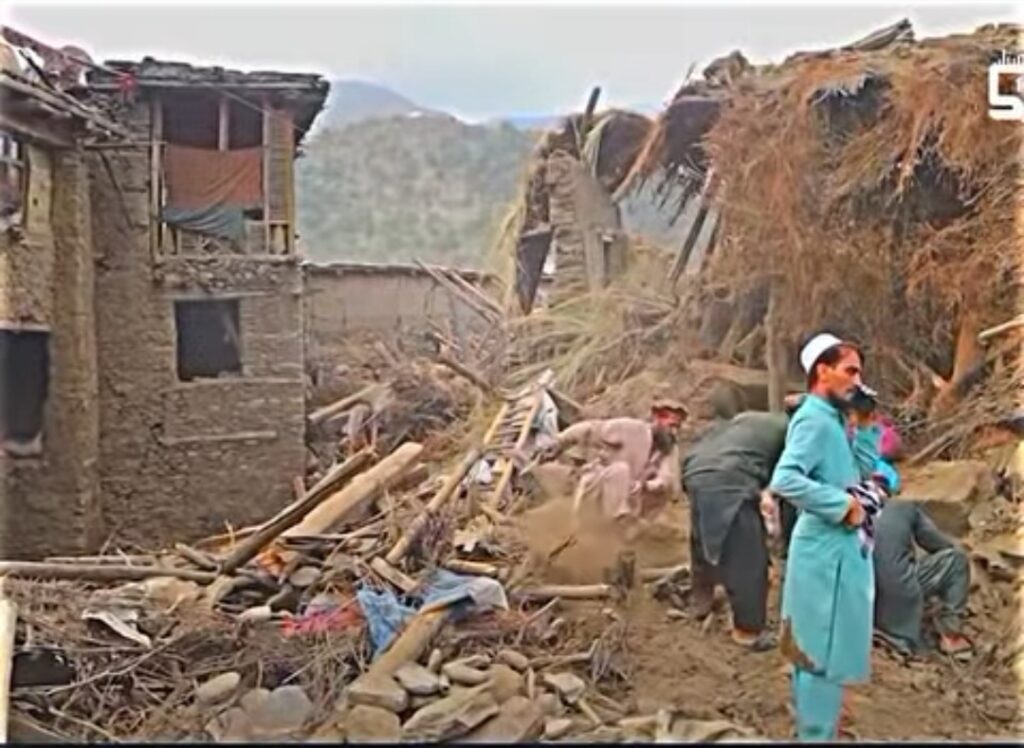
“The true number of casualties may be much higher. Entire communities have not been reached yet,” warned a spokesperson from a local NGO operating in the region.
Regional Impact and Aftershocks
The tremors were strong enough to be felt over 200 kilometers away in major cities such as Kabul and Islamabad, causing panic and temporary evacuations from high-rise buildings.
No casualties have been reported from Pakistan so far, but authorities in Khyber Pakhtunkhwa province confirmed light structural damage and have put emergency services on high alert due to the possibility of aftershocks.
Taliban Government Appeals for International Aid
With healthcare systems under strain and infrastructure damaged, the Taliban-led Afghan government has issued an urgent appeal for international assistance.
“We call on all humanitarian organizations and neighboring countries to support Afghanistan in this time of crisis,” said a senior official from the Taliban’s Ministry of Disaster Management.
Humanitarian Crisis Looms
The earthquake comes at a time when Afghanistan is already grappling with economic collapse, widespread food insecurity, and political isolation. Aid agencies warn that the current disaster could push vulnerable communities further into hardship, especially with winter approaching in highland areas.
The United Nations and Red Crescent societies have activated emergency response mechanisms, with search-and-rescue teams, food supplies, medical aid, and tents being mobilized. However, access remains a critical bottleneck.
Background: Afghanistan’s Seismic Vulnerability
Afghanistan lies on the active Chaman fault line, making it prone to frequent seismic activity. In 2022, a 5.9 magnitude earthquake in the same eastern region killed over 1,000 people, making it one of the deadliest quakes in decades.

This latest tragedy underscores the urgent need for disaster preparedness, resilient infrastructure, and international cooperation in a country still emerging from decades of conflict.
What We Know So Far:
- Magnitude: 6.0
- Depth: 8 km (shallow, high potential for damage)
- Deaths Reported: 600+ (expected to rise)
- Worst-Hit Areas: Eastern Afghanistan, especially Paktika, Khost, and Nangarhar provinces
- Tremors Felt In: Kabul, Islamabad, parts of northern Pakistan
- Casualties in Pakistan: None confirmed as of now
- Relief Efforts: Ongoing, but hampered by terrain and infrastructure.