
Nepal in Crisis: PM Oli Resigns Amid Violent Protests Over Social Media Ban and Corruption Allegations.
Kathmandu:
Nepal plunged into political and social turmoil on Tuesday after Prime Minister K P Sharma Oli resigned following widespread violent protests sparked by a government-imposed ban on social media and mounting allegations of corruption.
The unrest, led primarily by the Gen Z movement, erupted into chaos as thousands of demonstrators stormed government buildings and torched key political figures’ residences, including Oli’s private home in Balkot. Protesters also set parts of the Parliament building in Kathmandu ablaze, forcing the Prime Minister to step down just hours later.
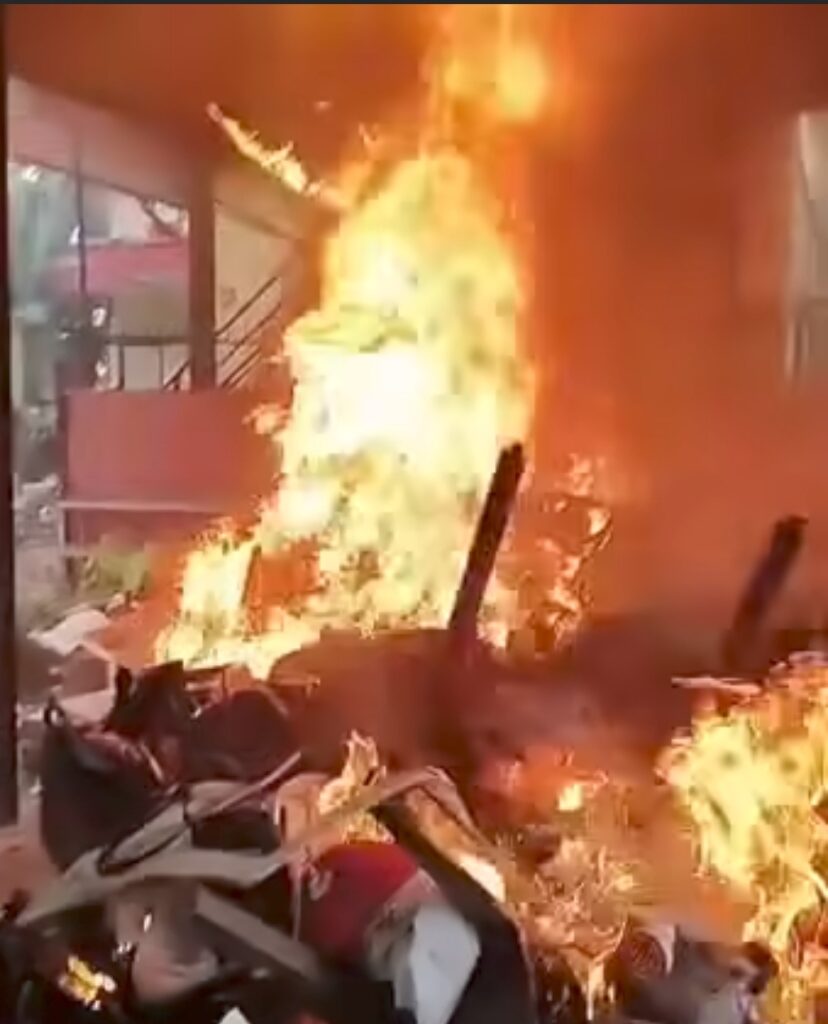
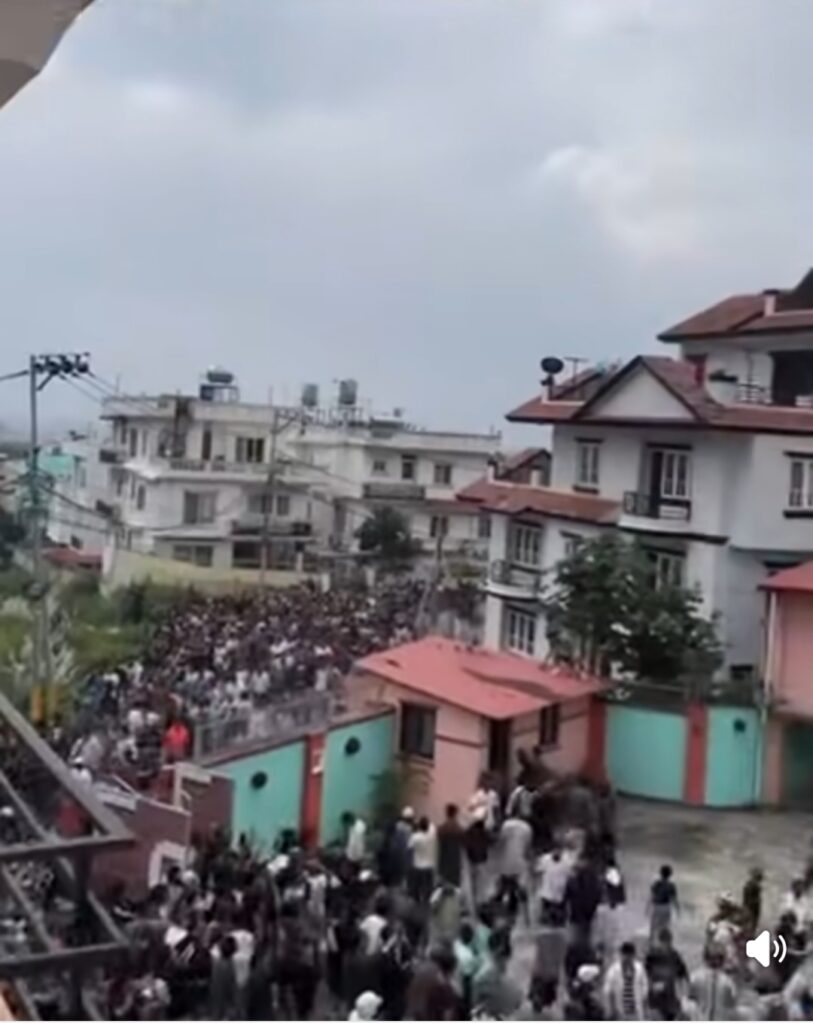
At least 19 people were killed and over 300 injured during Monday’s clashes, which saw police open fire on demonstrators in several parts of Kathmandu, including Kalanki and Baneshwor. The government had imposed curfews in Kathmandu, Lalitpur, and Bhaktapur in an attempt to curb the unrest, but protesters defied restrictions, continuing to chant slogans like “KP Chor, Desh Chhod” and “Don’t kill students.”
The immediate trigger was the government’s ban on 26 social media platforms, including Facebook and X (formerly Twitter), citing non-compliance with registration laws. Critics, however, saw it as a crackdown on free speech. The Gen Z group had been using these platforms to expose the lavish lifestyles of politicians’ children, alleging corruption at the highest levels.
Facing intense backlash, the government revoked the social media ban late Monday night in an effort to calm public outrage. But it was too late to quell the rapidly escalating protests.
The movement gained momentum after two key ministers — Agriculture Minister Ramnath Adhikari and Health Minister Pradip Poudel — resigned over the government’s harsh response to student protests.
Violence spread rapidly as protesters vandalised the homes of top leaders including President Ramchandra Paudel, former PMs Pushpa Kamal Dahal and Sher Bahadur Deuba, and several cabinet ministers. Ruling party offices and administrative buildings in Janakpur, Lalitpur, and other cities were also targeted.
In response to the deteriorating situation, Prime Minister Oli had called for an all-party meeting to seek dialogue, stating, “Violence is not the way.” However, his resignation came before the meeting could take place, marking one of the gravest political crises in Nepal’s recent history.
Authorities remain on high alert as curfews continue and the nation grapples with unrest.