Nationwide Curfew Imposed in Nepal After PM Oli Resigns Amid Violent Protests.
Kathmandu:
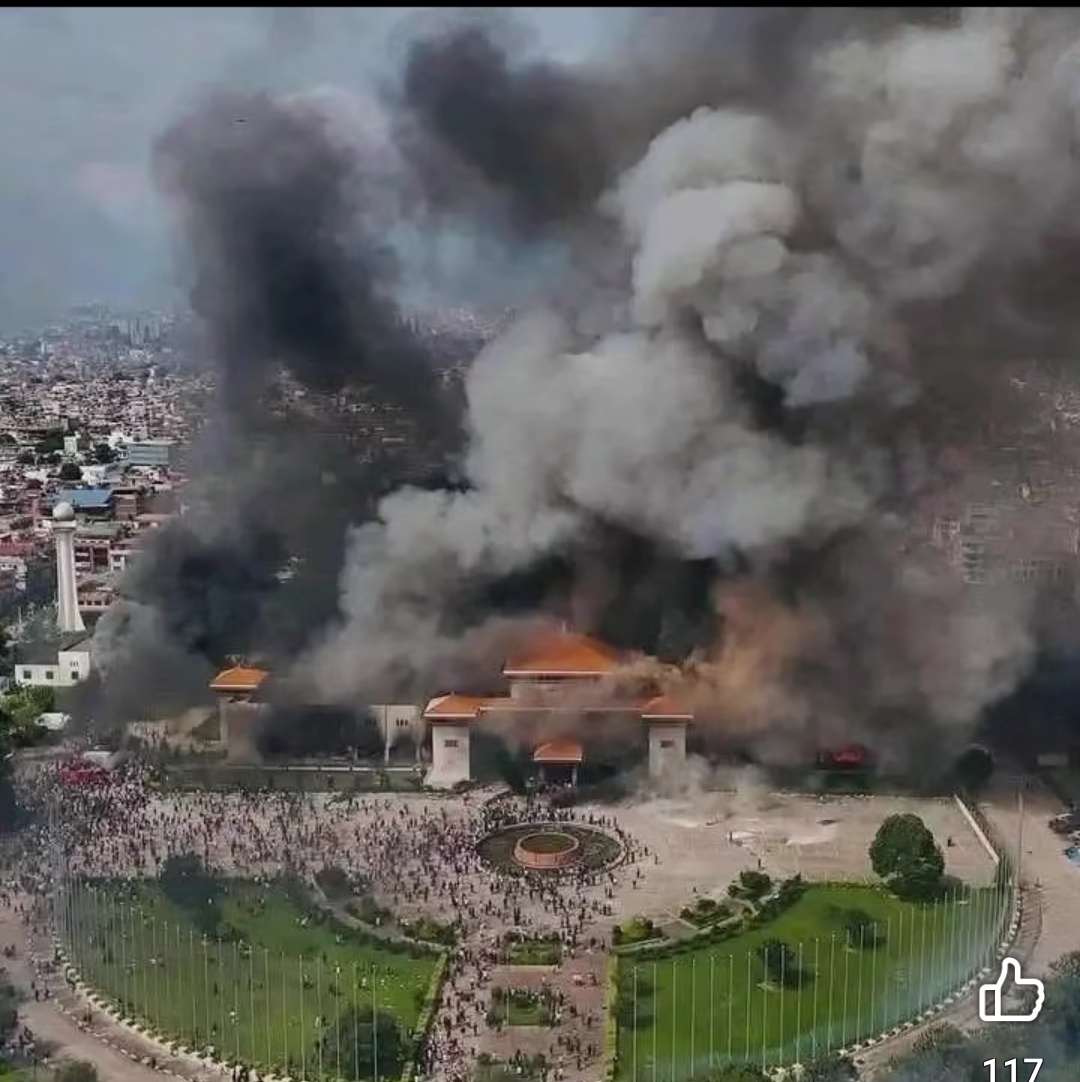
The Nepal Army imposed nationwide restrictive orders and a curfew on Wednesday following widespread violence after the resignation of Prime Minister K.P. Sharma Oli. The curfew comes amid escalating unrest that saw government buildings torched, weapons looted, and growing public anger over alleged corruption and a now-lifted social media ban.
Security forces took full control of law enforcement late Tuesday after protesters set fire to the Parliament, the Prime Minister’s residence, the President’s Office, and several other key installations. The army cited threats of looting, arson, and potential violent crimes as the reason for the clampdown, which will remain in effect until 6 a.m. Thursday.
Kathmandu’s usually bustling streets were deserted, with troops deployed at major intersections. Only emergency and essential services—such as ambulances, health workers, and fire engines—are permitted to operate during the restrictions.
The army also urged civilians to return any weapons or ammunition looted during the protests, warning of strict legal consequences for non-compliance. Citizens were further cautioned against wearing military uniforms, which is illegal.
Authorities confirmed the arrest of 27 individuals linked to vandalism and looting. Security operations in areas like Chabahil, Bauddha, and Gaushala led to the recovery of Rs. 3.37 lakh in cash, 31 firearms, and ammunition.
Tribhuvan International Airport (TIA) was shut down indefinitely on Wednesday. Initially scheduled to reopen by evening, the closure has since been extended due to the “critical security situation,” affecting both domestic and international flights and stranding hundreds of travelers.
The army also urged hotels and tourism operators to assist foreign nationals stuck due to the unrest. They advised contacting the nearest security post for support.
In New York, UN Secretary-General António Guterres expressed deep concern over the developments in Nepal and called for a thorough, independent investigation into the reported deaths of at least 19 protesters. He urged the Nepalese authorities to uphold human rights, exercise restraint, and resolve the crisis through dialogue.
Prime Minister Oli resigned on Tuesday following mounting pressure over alleged corruption and the deaths during Monday’s protests. Despite his departure, demonstrations continued into Wednesday, forcing the army to take charge and enforce strict security measures nationwide.