
UNESCO Designates 26 New Biosphere Reserves in Landmark Global Expansion.
Six countries receive their first reserves as São Tomé and Príncipe becomes first nation with entire territory protected.
Paris:
In a historic move marking the most significant expansion in two decades, UNESCO has designated 26 new biosphere reserves across 21 countries, bringing the total number of sites in its World Network of Biosphere Reserves (WNBR) to 785 across 142 countries. The new designations add vast swathes of protected land—over 1 million km² since 2018—equivalent ioveronze to Bolivia.
This year’s announcement is particularly notable for two milestones: six countries—Angola, Djibouti, Equatorial Guinea, Iceland, Oman, and Tajikistan—have received their first-ever biosphere reserves, while São Tomé and Príncipe has become the first country to have its entire territory designated as a biosphere reserve.
The expansion was officially unveiled during the 5th World Congress of Biosphere Reserves, where over 2,000 participants—including scientists, policymakers, Indigenous leaders, and youth—from around the world gathered to reflect on past achievements and plan future strategies for sustainable development and environmental protection.
“A Model Gaining Momentum”
Audrey Azoulay, Director-General of UNESCO, highlighted the growing impact of biosphere reserves as “living laboratories” where nature conservation is balanced with human development.
“With nearly thirty new designations this year, our World Network of Biosphere Reserves has reached a major milestone, now protecting 5% of the planet,” Azoulay said. “Within these reserves, new ways of balancing conservation with sustainable livelihoods are being forged every day.”
Since 2018, 142 new biosphere reserves have joined the network, helping to advance global biodiversity targets such as the Kunming-Montreal Global Biodiversity Framework, which aims to conserve 30% of Earth’s land and sea by 2030.
Biosphere reserves now protect over 8 million km², an area approximately the size of Australia, and support nearly 300 million people living within or near these regions.
Newly Designated Biosphere Reserves (2025)
- Albania – Vjosa Valley Biosphere Reserve
- Angola – Quiçama Biosphere Reserve
- China – Daqingshan and Zhouzhi Biosphere Reserves
- Djibouti – Archipel des Sept Frères – Ras Siyyan – Khor Angar – Godoria Biosphere Reserve
- Equatorial Guinea – Isla de Bioko Biosphere Reserve
- Ethiopia – Anywaa Forest Biosphere Reserve
- France – Lac du Bourget and Marshes and Tides between the Loire and the Vilaine
- Greece – Mount Parnon – Cape Maleas Biosphere Reserve
- Iceland – Snæfellsnes Biosphere Reserve
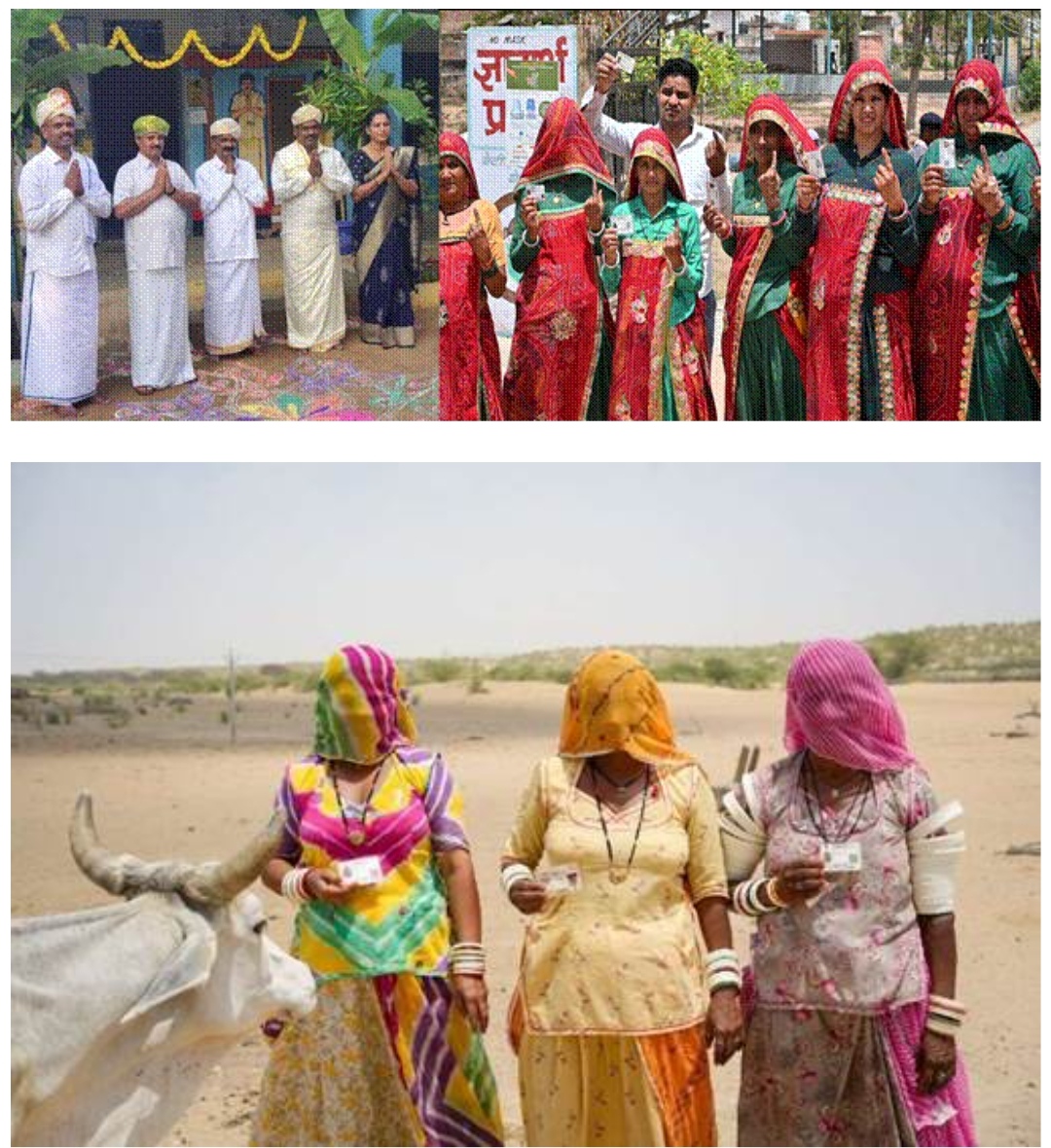
- India – Cold Desert Biosphere Reserve
- Indonesia – Raja Ampat Biosphere Reserve
- Jordan – Ajloun and Yarmouk Biosphere Reserves
- Madagascar – Mantadia and Tsimembo Biosphere Reserves
- Malaysia – Kinabatangan Biosphere Reserve
- Mongolia – Khomyn Tal Biosphere Reserve
- Oman – Al Jabal Al Akhdar and Sirrin Biosphere Reserves
- Portugal – Arrábida Biosphere Reserve
- Saudi Arabia – Imam Turki Bin Abdullah Biosphere Reserve
- São Tomé and Príncipe – Ilha de São Tomé Biosphere Reserve
- Sweden – Storkriket Biosphere Reserve
- Tajikistan – Romit Biosphere Reserve
Education, Biodiversity, and Climate Action
Biosphere reserves are central to UNESCO’s environmental mission, promoting biodiversity conservation, climate resilience, and sustainable economic development. These reserves host over 60% of terrestrial vertebrate species, 12% of mangrove areas, and 10% of the world’s salt marshes.
The reserves also act as hubs for environmental education, research, and youth engagement, while preserving Indigenous knowledge and practices. Initiatives like the Amazonia Project, supported by luxury brand LVMH, show how partnerships can empower local communities by creating green jobs and enhancing agroforestry and regenerative agriculture efforts.
Looking Ahead: The High Seas and Beyond
With the upcoming entry into force of the BBNJ Treaty in January 2026, countries will also be empowered to designate marine protected areas on the high seas. UNESCO is already responsible for safeguarding over 4.1 million km² of marine ecosystems through its combined network of marine World Heritage sites, marine biosphere reserves, and geoparks.
The momentum continues as UNESCO urges every Member State to establish at least one biosphere reserve by 2035, setting a bold vision for global conservation efforts in the face of accelerating climate and biodiversity crises.
UNESCO, the United Nations Educational, Scientific and Cultural Organization, is committed to building peace through international cooperation in education, the sciences, and culture. With 194 Member States and a presence in 54 countries, UNESCO oversees global networks such as World Heritage sites, Biosphere Reserves, Global Geoparks, and more.
“Since wars begin in the minds of men, it is in the minds of men that the defenses of peace must be constructed.” – UNESCO Constitution, 1945.