“Peace in DRC Still Mostly a Promise,” UN Mission Head Warns as Violence Rages Despite Washington Accord.
United Nations:
Peace efforts in the Democratic Republic of the Congo (DRC) remain fragile and largely unrealized, the head of the UN stabilization mission told the Security Council today, warning that fighting and atrocities continue to ravage the country’s east even after a United States‑brokered peace agreement.
Bintou Keita, Special Representative of the Secretary‑General in the DRC and head of MONUSCO, presented the Secretary‑General’s latest report (S/2025/590) and said there is a worrying gap “between the progress we see on paper and the reality we observe on the ground which continues to be marred with violence.” She outlined diplomatic advances since 27 June — including the Washington Accord and subsequent meetings of a Joint Monitoring Committee and Joint Security Coordination Mechanism — but said those steps have yet to translate into a durable ceasefire.
Keita pointed to recent talks in Doha and a July declaration of principles signed between the Congolese Government, the Congolese River Alliance and the 23 March Movement, but warned that the promised peace is slow to materialize. Since June, she said, 1,087 civilians have been killed in Ituri and North Kivu, and “the toll is growing day by day.” She highlighted the importance of internal dialogue supported by President Félix Tshisekedi, arguing that the 2028 general elections cannot be held in a secure atmosphere unless violence is contained.
Eight months after Security Council resolution 2773 (2025) was adopted, Keita said key provisions remain largely unimplemented. She accused the Congo River Alliance/23 March Movement (AFC/M23) of pursuing territorial expansion after seizing Goma, installing alternative structures in place of formal institutions and training more than 7,000 recruits. July, she said, was the deadliest month since the group’s resurgence in late 2021 in Rutshuru territory.
Keita also stressed that violence is not limited to a single faction. She described a complex landscape of armed actors — including the Allied Democratic Forces in North Kivu and Ituri, blamed for 300 civilian executions in three months — and reported fresh clashes that pushed 3,500 people to seek shelter at a MONUSCO base in Gina. She urged armed groups that took part in Ituri dialogue to honour commitments and release some 400 children reportedly detained.
Human rights and humanitarian concerns were central to Keita’s briefing. She raised alarm about ongoing violations in South Kivu, where MONUSCO no longer has an operational mandate, and called for access for the UN Joint Human Rights Office and for deployment of an independent commission of inquiry — though financing for that commission remains pending. Keita also warned of dire funding shortfalls: the Humanitarian Response Plan has received only 15.2 percent of required funds, down from 41 percent at the same time last year. “If we fail to close these gaps, millions will pay the price on the ground,” she said.
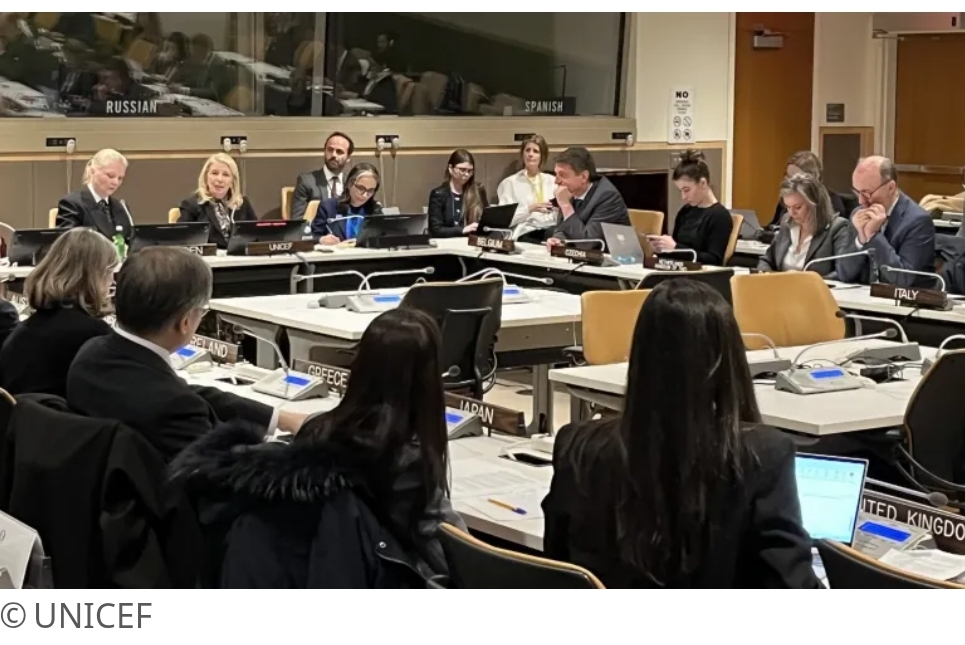
Responses from Security Council members reflected deep unease and diverging emphases. The United States welcomed implementation steps under the Washington Accord — including activation of joint mechanisms — while urging MONUSCO to improve efficiency and eliminate duplicative costs. Guyana, speaking also for Algeria, Sierra Leone and Somalia, stressed the need to implement both Washington and Doha agreements, pursue accountability for human rights abuses and tackle root causes such as illegal mineral exploitation.
Slovenia warned that “what is at stake now is credibility” — calling for dialogue and deeds to be measured by behaviour rather than statements — and urged harmonization of these diplomatic tracks with African‑led efforts. Russia urged strict implementation of resolution 2773 (2025) and the political agreements, and expressed worry about developments in South Kivu and threats to Uvira.
Several delegations, including Pakistan, Panama and Greece, pressed for stronger support for MONUSCO, arguing that the Mission is being weakened at exactly the moment when the peace tracks depend on it for ceasefire verification, disarmament, protection of civilians and other functions. Pakistan warned of “worrying contradictions” in the Council’s approach to MONUSCO, while the Republic of Korea — which presided over the Council in September — said the Mission should be reinforced despite broader UN peacekeeping liquidity constraints.
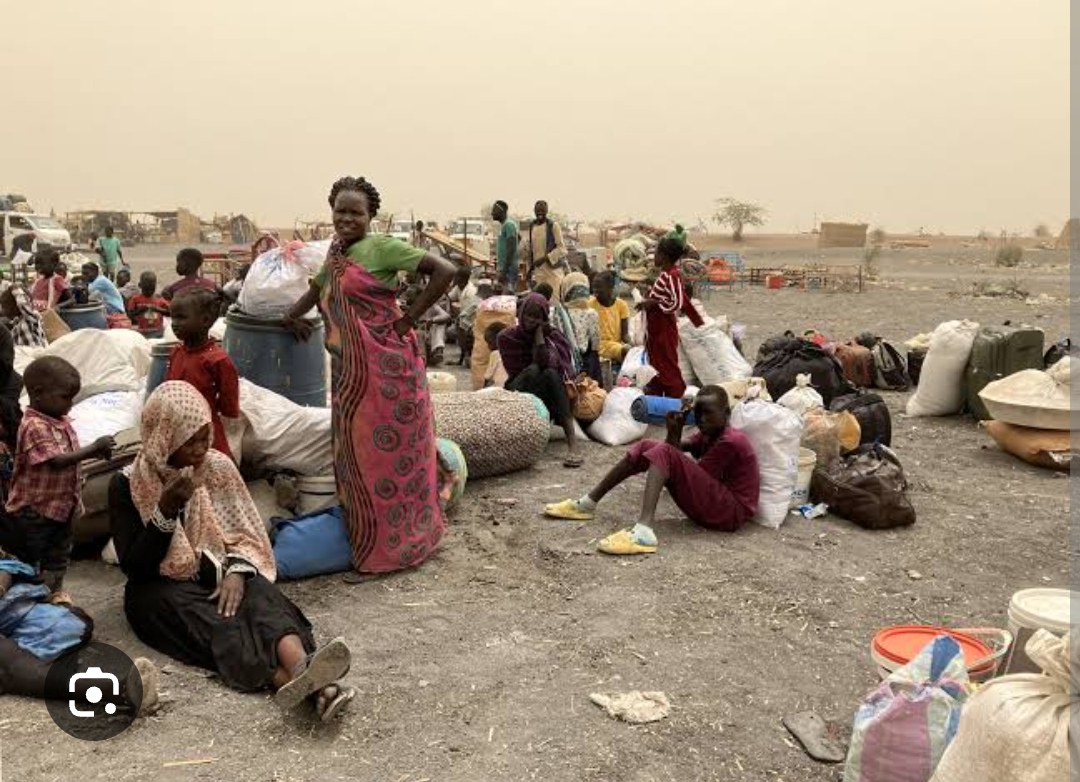
Humanitarian figures drew urgent language from France, which highlighted a humanitarian catastrophe: some 7 million internally displaced persons, 1.2 million refugees in neighbouring countries, 28 million people facing food insecurity (including 5 million children), and a 16 percent rise in sexual violence in the first half of 2025, a third of victims under 16. France called for an “unconditional, effective and verifiable ceasefire.” The United Kingdom reiterated calls for respect of international humanitarian law and pledged continued support, citing roughly $80 million in lifesaving assistance this fiscal year.
The DRC’s representative described what he called a humanitarian disaster driven by “day‑in, day‑out attacks” by the Rwanda Defence Force/23 March Movement. He accused those forces of ongoing non‑compliance with resolution 2773 (2025), called for their immediate withdrawal, and described the situation as “not a conflict, but a silent genocide” that he said has persisted for 30 years. He accused armed groups and external actors of committing mass atrocities — citing a July massacre of 300 civilians in Rutshuru — and urged a strengthened sanctions regime targeting commanders and support for an International Commission of Inquiry.
Rwanda’s delegate defended the Washington Accord and Doha process as the correct framework, saying the agreements must be implemented fully and that they address the linked issues raised by the Council. He also criticized the Secretary‑General’s report for what he called underreporting and an imbalanced portrayal of armed groups, and emphasized the danger posed by the Democratic Forces for the Liberation of Rwanda (FDLR). Tensions escalated during the meeting: the DRC accused Rwanda of mass killings, while Rwanda accused elements in the DRC of harboring individuals responsible for the 1994 genocide and of posing an ongoing threat to Rwandan citizens.
As the session closed, Council members were united in alarm over the civilian toll but divided on how best to translate diplomatic accords into security realities. With crucial mechanisms established on paper — the Joint Security Coordination Mechanism, Joint Oversight Committee and multiple mediation tracks — diplomats warned that implementation, funding and political will will determine whether the accords become the basis for lasting peace or remain, as MONUSCO’s head put it, “mostly a promise.”