
World Food Day 2025 – “Hand in Hand for Better Food and a Better Future”
Shimla:
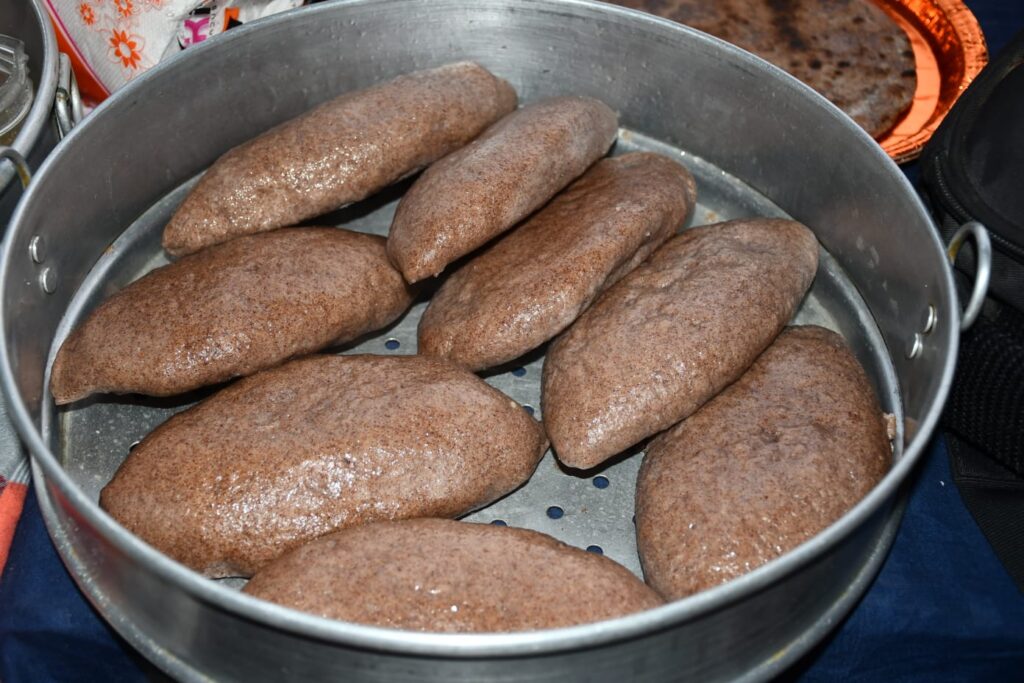
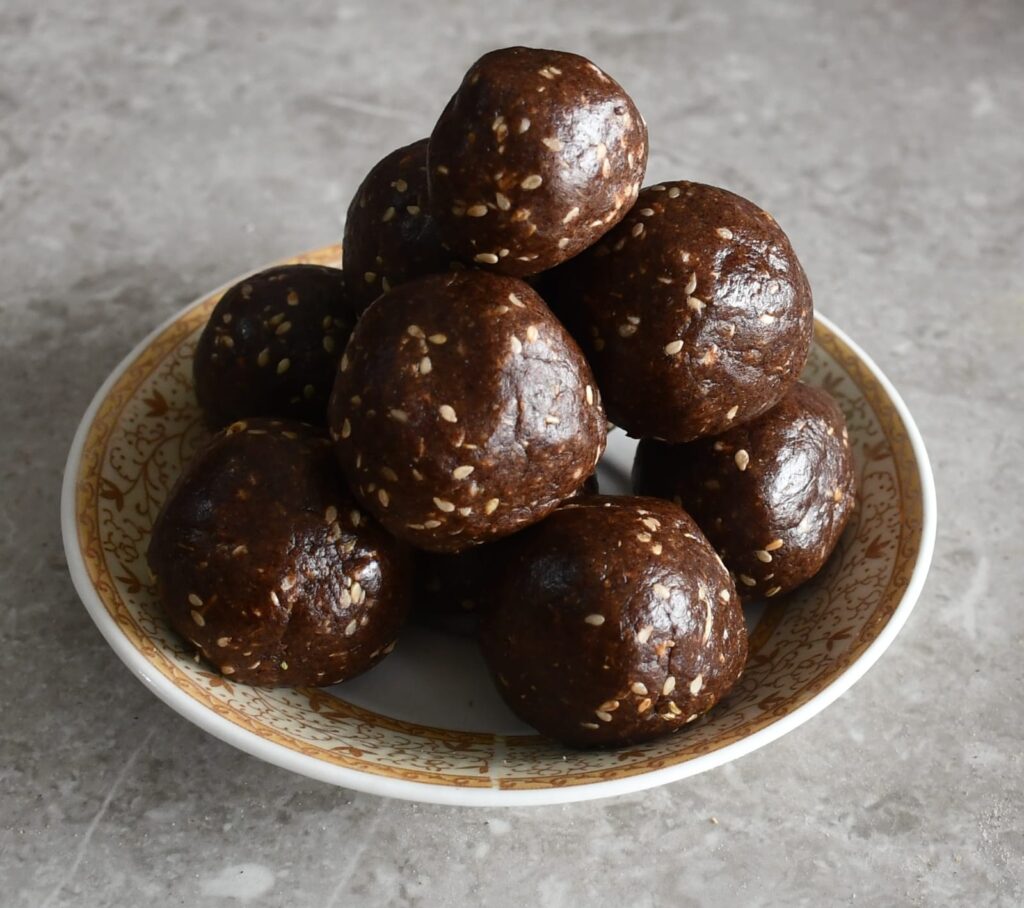
Himachal Pradesh has been abundantly blessed by nature. Known as the “Fruit Bowl of India,” the state is home not only to cash crops like apples, kiwis, peaches, persimmons, plums, and cherries, but also to a wide variety of rare medicinal plants. For centuries, its soil has nurtured the philosophy of “Food is Medicine.” Traditional dishes such as nettle vegetable (Bichhoo Booti), bamboo shoots, wild berries, Phegdi, Kafal, Kachnar, Lasura, Yelo, and rhododendron (Buransh) chutney are not just delicacies but also powerful sources of immunity and holistic well-being.
However, the irony is that despite being so rich in natural and nutritional resources, the number of cancer cases in Himachal Pradesh is steadily increasing, with around 8,500 new cases reported annually. According to state officials, the Chief Minister has mentioned that after the northeastern states, Himachal ranks second in cancer incidence. This situation not only reflects the lack of adequate medical infrastructure but also highlights the flaws in our dietary habits and lifestyle.
In the name of modernization, we have replaced our diverse traditional diets with limited, market-based foods—many of which are heavily laden with pesticides. Even in remote villages, people now prefer market vegetables over naturally growing ones, while chips, kurkure, and instant noodles have become so common that even fruits and traditional sweets seem less appealing to the youth. During social gatherings, guests now often expect packaged snacks instead of homemade nutritious food. This trend has become so common that in many households, children are not content until they are offered chips or other processed snacks every evening. Roads, internet access, and home delivery services have further fueled this change.
Once children get addicted to such processed foods, they lose interest in healthy options. As a result, today’s younger generation is facing rising cases of infertility, PCOD, and other lifestyle-related diseases. Many students now take more leave from school or college for hospital visits than for studies.
Thus, while the youth are getting trapped in the web of fast food culture, the increasing levels of pollution are simultaneously contaminating air, water, and soil. This has a direct impact on crop quality and, consequently, on the quality of our food—gradually weakening the very roots of our health and life.
This situation is not just a matter of individual health but a serious concern for the future of our society and nation. If our youth—the driving force of the country—become weak and unhealthy, how can we dream of a strong and prosperous future?
In this context, the theme of World Food Day 2025 – “Hand in Hand for Better Food and a Better Future” – becomes even more relevant. But it will hold true meaning only when we go beyond discussions and integrate it into our lifestyle and behavior.
It is time to adopt a holistic approach to health—focusing equally on food, environment, and lifestyle. Only then can we lay the foundation for a truly healthy and strong India for generations to come.
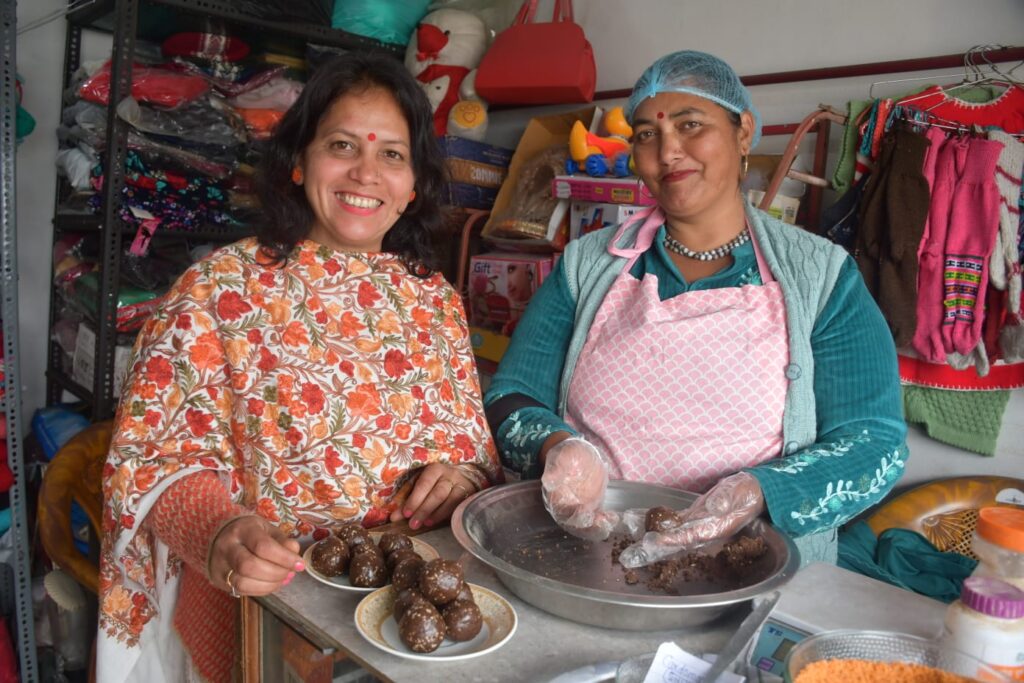
The Gaps
Lack of Traditional Knowledge – Traditional food practices are neither adequately documented nor effectively passed on to future generations.
Limited Opportunities for Local Vendors – The absence of proper marketing platforms, storage, transport, packaging, value addition, and modern processing facilities prevents local products from reaching larger markets.
Ignorance – Common people are unaware of the immense medicinal and nutritional value of local food resources.
Neglect of Food Diversity – Seasonal and local fruits, vegetables, and grains have been replaced by packaged and processed foods.
Overlooking Wild Food Plants – Once valued for their nutritional and medicinal importance, these plants are now being wasted.
Rays of Hope
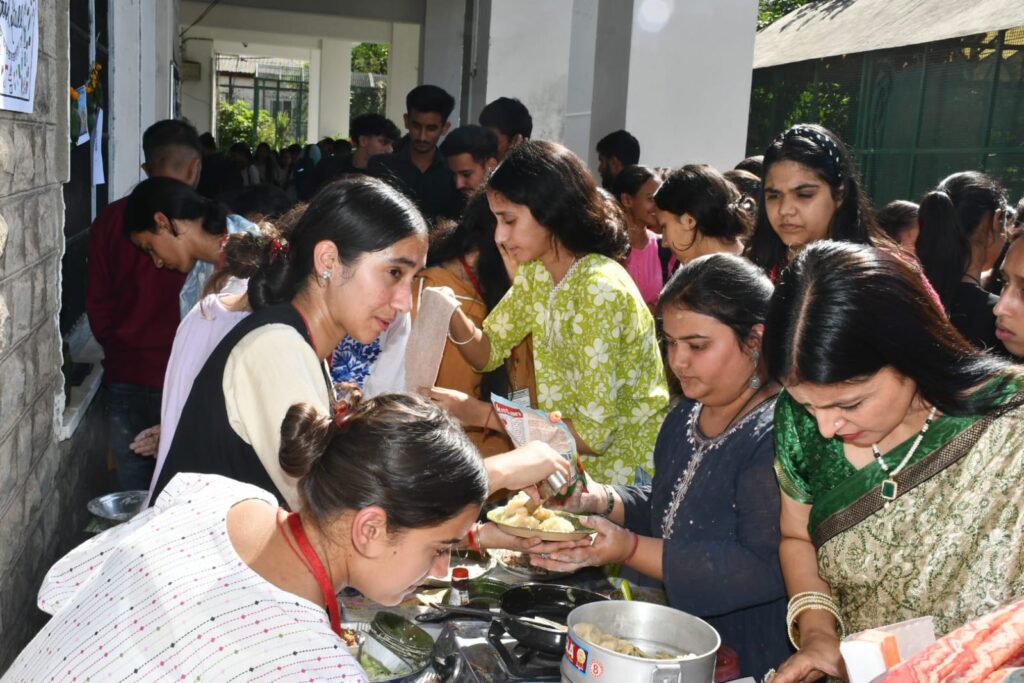
Encouragingly, positive steps are being taken. In recent years, academic institutions and the government have begun focusing on promoting traditional food habits. Many food festivals are being organized in schools, colleges, and even prestigious institutions like IITs. These initiatives are helping students connect with food diversity, local culinary arts, and traditional herbs. While these efforts are commendable, much more remains to be done.
The Way Forward
The theme of World Food Day 2025 – “Hand in Hand for Better Food and a Better Future” – gives us the opportunity to:
• Bring policy makers, educational institutions, and traditional knowledge holders together on one platform.
• Conserve traditional and wild plants and develop modern recipes using them.
• Link farmers and local vendors with facilities for storage, packaging, and processing.
• Provide education and opportunities for youth to learn, adopt, and promote traditional food wisdom.
• Promote awareness about the nutritional and medicinal importance of local fruits and wild plants at a broader level.
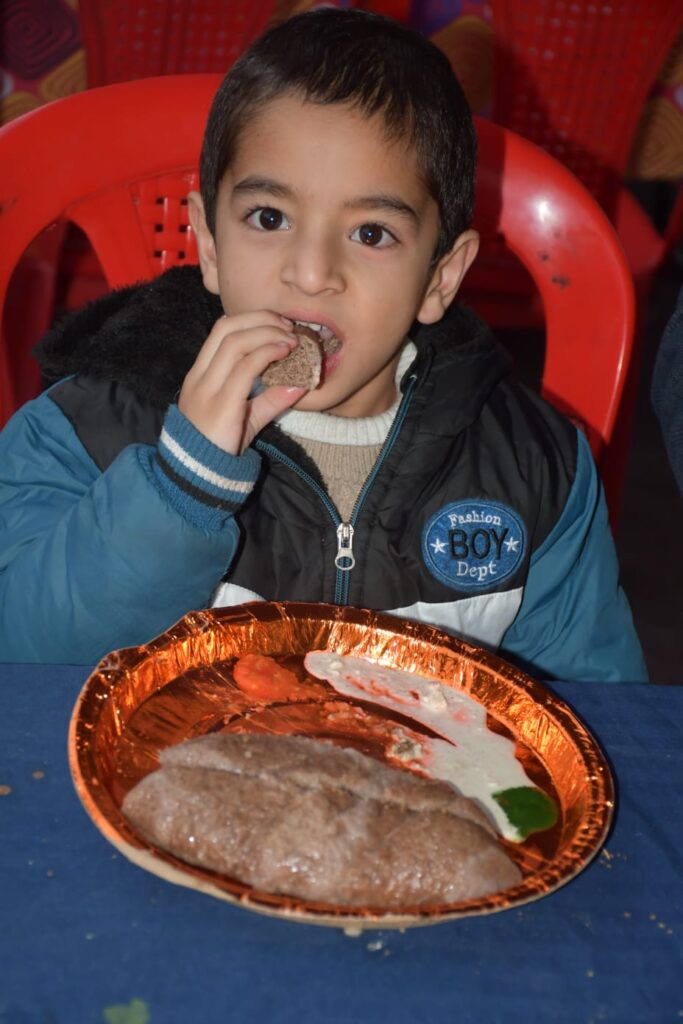
By taking these steps together, Himachal Pradesh can make full use of its diversity and natural wealth. It can ensure not only food availability but also balanced, nutritious, and medicinally enriched diets. This will help improve public health and reduce the prevalence of diseases such as cancer and other lifestyle disorders.
Conclusion:
For Himachal Pradesh, the time has come to preserve and enhance its traditional food heritage and natural resources. Efforts should focus on identifying, conserving, and properly utilizing local, wild, and medicinal plants. Policymakers, educational institutions, local sellers, and communities must come together to ensure that the age-old wisdom of “Food is Medicine” does not remain a thing of the past, but becomes a vital part of our present and future way of life.
Let us take a pledge on World Food Day 2025 – hand in hand, to honor local food resources, and build a healthier Himachal and a better future.