UNICEF Warns of Looming Health Catastrophe for Over 212,000 Children One Month After Devastating Afghanistan Earthquake.
Kabul:
One month after a powerful 6.3-magnitude earthquake and a series of aftershocks ravaged eastern Afghanistan, the humanitarian crisis is deepening, with over 212,000 children now at critical risk of deadly disease outbreaks, UNICEF has warned.

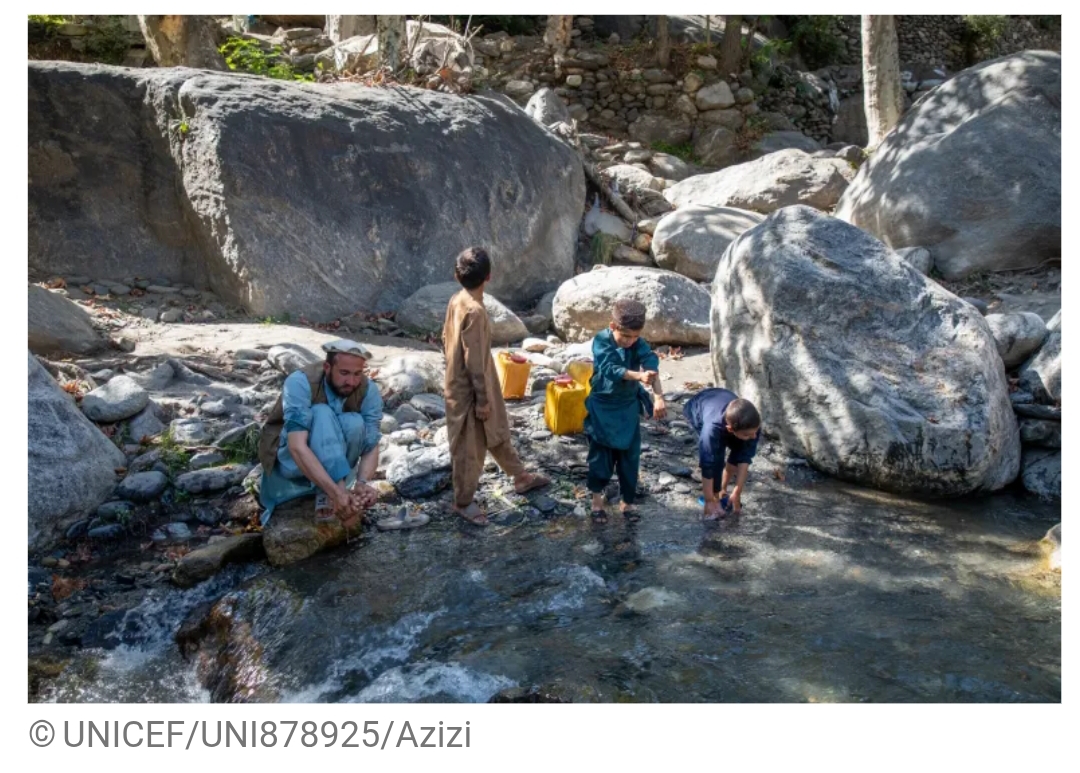
The earthquake, which struck hard-to-reach mountainous regions, destroyed vast swathes of essential infrastructure, including homes, health centers, and most alarmingly, water, sanitation, and hygiene (WASH) systems. According to UNICEF, 132 water sources have been destroyed, leaving thousands of families without access to clean drinking water or handwashing facilities. The collapse of sanitation systems has forced four out of five affected communities into open defecation, heightening the risk of contamination and rapid spread of disease.
“The earthquake has flattened homes and taken too many lives, and now threatens to take even more through disease,” said Dr. Tajudeen Oyewale, UNICEF Representative in Afghanistan. “Children who survived the quake are now living either in crowded displacement camps or in makeshift shelters with no toilets, no safe water to drink, and no means to stay clean. This is a perfect storm for a health catastrophe.”

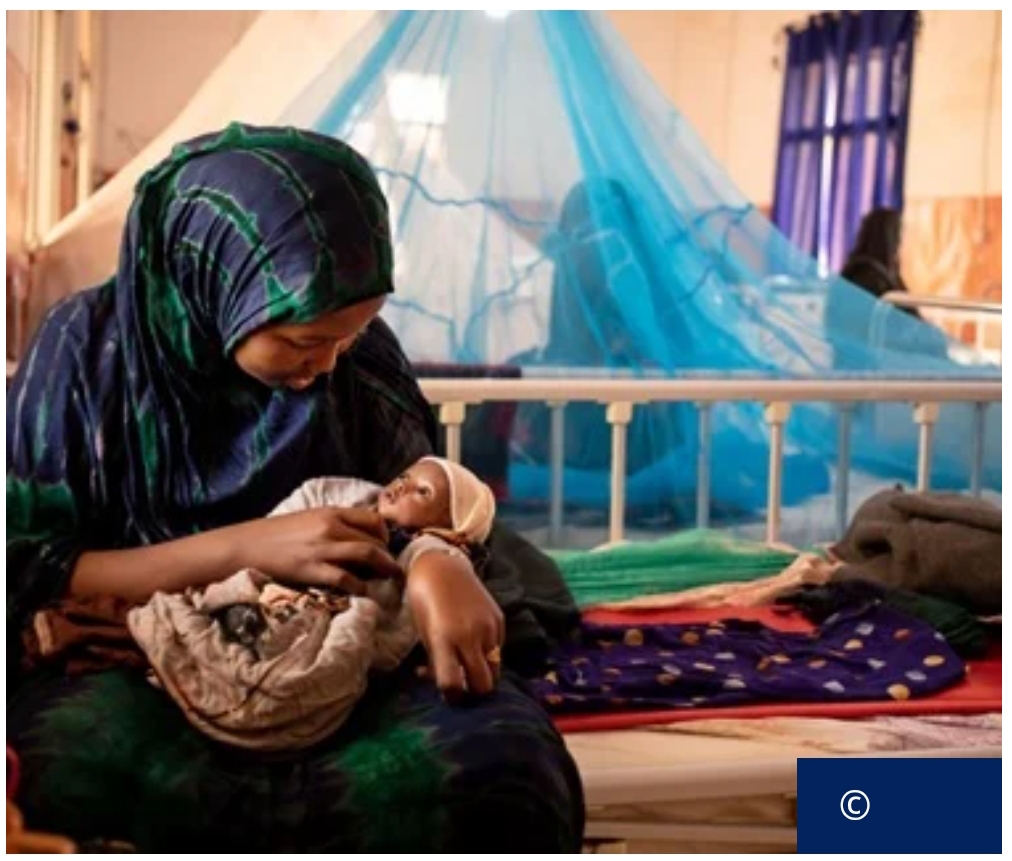
Health centers in the affected areas are already witnessing a spike in acute watery diarrhea, dehydration, and skin infections, raising alarms of a potential full-blown health emergency if urgent action is not taken.
Women and Girls at Increased Risk
The destruction of latrines and the absence of safe, private sanitation facilities has also created serious protection risks, particularly for women and girls, who are now more vulnerable to gender-based violence and other safety concerns.
UNICEF’s Emergency Response Efforts
In response, UNICEF and its partners have launched emergency relief measures including:
Emergency water trucking to the worst-affected regions.
Installation and repair of damaged water supply systems.
Setting up temporary sanitation facilities for displaced families.
Distribution of hygiene kits, including soap and sanitary items.
Community hygiene promotion activities aimed at preventing the spread of disease.
Despite these efforts, the scale of the crisis far exceeds current capacity. UNICEF’s emergency appeal of USD 21.6 million for the WASH response is only 50% funded, severely limiting the reach of life-saving interventions.

“This is a race against time,” said Dr. Oyewale. “We need immediate and increased support from the international community to prevent a secondary disaster caused by disease.”
Call for Urgent International Support
UNICEF is urgently appealing to donors and humanitarian partners to step up funding and support, emphasizing that every delay risks the lives of thousands of vulnerable children and families already pushed to the brink.
As Afghanistan grapples with the aftermath of the earthquake, time is running out to avert a major public health crisis. The call from UNICEF is clear: the time to scale up the water, sanitation and hygiene response is now.