From Wild Weed to Himalayan Gold: CM Sukhu Charts New Economic Frontier Through Industrial Hemp.
Policy push to position Himachal’s hemp as a global medicinal and industrial resource; THC content to be strictly capped below 0.3 percent.
Shimla:
In a landmark policy shift aimed at reshaping Himachal Pradesh’s economic future, Chief Minister Sukhvinder Singh Sukhu has unveiled a transformative initiative to legalize and regulate the cultivation of industrial hemp, positioning it as a key pillar of the state’s bio-economy. The ambitious move, aligned with the government’s vision of a self-reliant Himachal by 2027, seeks to turn what was once viewed as a “wild weed” into “Himalayan gold.”
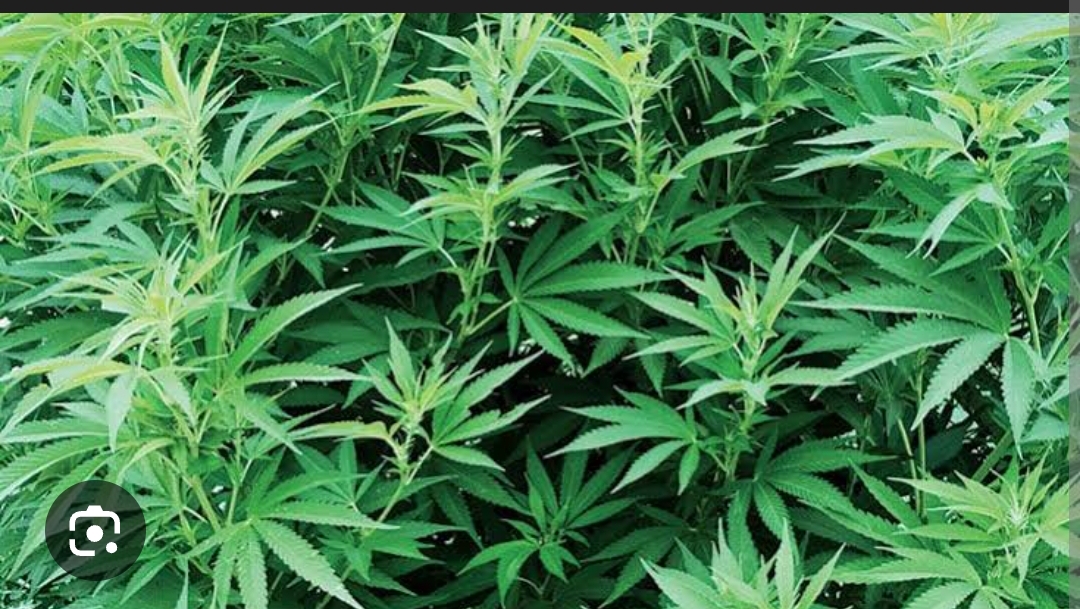
Describing the initiative as a “Green to Gold” transition, the Chief Minister said that for decades cannabis had grown naturally across the valleys of Kullu, Mandi and Chamba, often linked to illegal drug trade. “Now, with proper regulation and awareness, this same plant will be recognized for its immense medicinal and industrial value,” he said. Industrial hemp, he added, has proven applications in pain management, inflammation treatment, textiles and apparel, paper and packaging, cosmetics and personal care, biofuels and renewable energy.
A central feature of the policy is the strict scientific regulation of Tetra Hydro Cannabinol (THC) content. The Chief Minister clarified that all industrial hemp cultivated in Himachal Pradesh will have THC levels below 0.3 percent, a globally accepted threshold that renders the plant non-intoxicating and eliminates the risk of misuse as a narcotic. “This ensures that we are promoting an industry, not addiction,” he emphasized.
Following the state Cabinet’s decision on 24 January 2025, a pilot project for controlled cultivation is now on the anvil. The move comes at a time when many farmers are retreating from traditional crops due to crop damage caused by wild animals, particularly monkeys, resulting in poor returns. Industrial hemp, the Chief Minister noted, offers an alternative livelihood option that is both climate-resilient and economically viable.
Projections suggest that once fully scaled, regulated hemp cultivation could generate annual revenue ranging from Rs. 1,000 crore to over Rs. 2,000 crore. By establishing a robust legal and scientific framework, the state aims to curb black-market activity and reduce dependence on imports, especially in the fast-growing pharmaceutical and wellness sectors.
Beyond revenue generation, the initiative addresses sustainability concerns. Industrial hemp requires nearly 50 percent less water than conventional fiber crops such as cotton and can thrive in marginal soils. To ensure success, premier agricultural institutions including CSK Himachal Pradesh Krishi Vishvavidyalaya, Palampur, and Dr. Y.S. Parmar University of Horticulture and Forestry, Nauni, are conducting pilot studies to develop high-yield, low-THC seed varieties suited to the Himalayan climate.
Revenue Minister Jagat Singh Negi, who chairs the state-level committee on controlled cannabis cultivation, along with MLAs as members, visited Uttarakhand and Madhya Pradesh to study legal, regulatory and practical models. The committee’s report, later tabled and approved in the Himachal Pradesh Assembly, recommended regulated cultivation for industrial, scientific and medicinal purposes.
Elaborating on the long-term vision, the Chief Minister said the proposed “Hemp Hub” aims to position Himachal Pradesh as a manufacturing centre for hemp-based products such as Hempcrete—a carbon-negative construction material—along with specialized textiles and Ayurvedic medicines. “This new sector will not only help make Himachal the most prosperous state by 2032 but will also create a vibrant ecosystem for startups and generate employment opportunities for youth,” he said.
Reaffirming the government’s intent, CM Sukhu stressed that the initiative is designed to ensure that the state’s natural wealth benefits local farmers and the public exchequer, rather than illicit networks. “This is about modern, eco-friendly industry, scientific regulation and inclusive growth,” he said, calling industrial hemp a game-changer for Himachal Pradesh’s rural and hill economy.