Children Continue to Die in Gaza Despite Ceasefire, Says UNICEF.
Gaza City/Geneva:
More than 100 Palestinian children have been killed in Gaza since the ceasefire that came into effect in early October, despite expectations that the truce would bring safety and relief to civilians. This was stated by UNICEF Spokesperson James Elder during a press briefing at the Palais des Nations in Geneva on Tuesday.
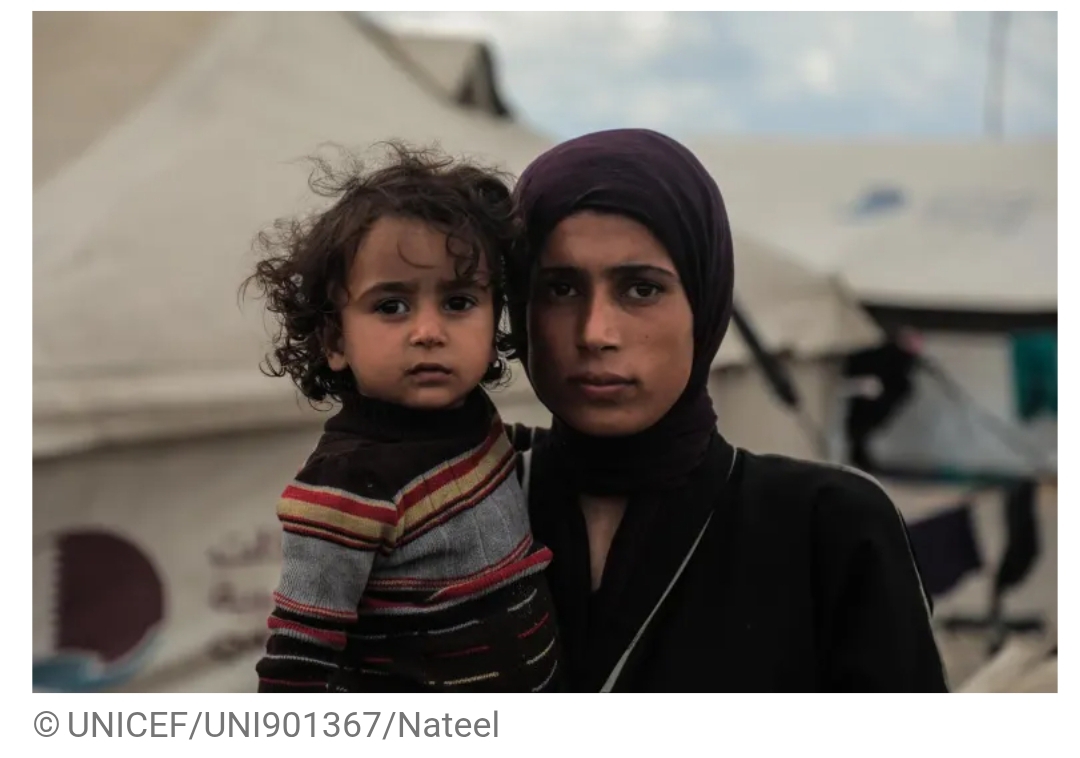
According to UNICEF, the deaths amount to roughly one child killed every day during the ceasefire, highlighting that violence in Gaza has slowed but not stopped. Elder described life in Gaza as “suffocating,” stressing that survival for children remains uncertain even during what the international community refers to as a period of calm.
UNICEF has documented the deaths of at least 60 boys and 40 girls since the ceasefire began. However, the organization warned that the actual toll is likely higher, as many incidents lack sufficient details to be formally recorded. In addition to those killed, hundreds of children have been injured.
Elder shared the story of nine-year-old Abid Al Rahman, who was wounded while collecting firewood with friends in Khan Younis when an airstrike struck nearby. Shrapnel severely injured his eye, with a fragment of metal still lodged inside. UNICEF said Abid’s case reflects the ongoing dangers children face daily.
Despite the ceasefire, Gaza continues to face severe shortages of essential supplies, including medical equipment, fuel, cooking gas, and parts needed to maintain water and sanitation systems. Ongoing strikes and restrictions have further worsened living conditions.
At the same time, UNICEF acknowledged that the ceasefire has enabled limited but important humanitarian progress. Primary healthcare services, including immunization, have expanded—particularly in northern Gaza. Sanitation efforts now remove around 1,000 tonnes of solid waste each month, while emergency repairs to water and sewage infrastructure have been carried out despite limited access to spare parts.
As winter conditions intensify, UNICEF has distributed nearly one million thermal blankets and hundreds of thousands of winter clothing kits to children. In nutrition, more than 70 new nutrition facilities have been added across Gaza, helping push back the immediate threat of famine.
However, UNICEF warned that two years of conflict have left deep psychological scars on children, many of which remain untreated. Fear, trauma, and emotional distress continue to shape their daily lives.
“A ceasefire that slows the bombs is progress,” Elder said, “but one that still buries children is not enough.” UNICEF called for stronger enforcement of the ceasefire, unrestricted humanitarian access, expanded medical evacuations, and accountability to ensure that the killing of children in Gaza truly ends.