
Geothermal Energy to Power Himachal’s Green Future, Says CM Sukhu.
State Targets Over 90% Renewable Energy by 2026 under ‘Vyavastha Parivartan’ Vision.
Shimla:
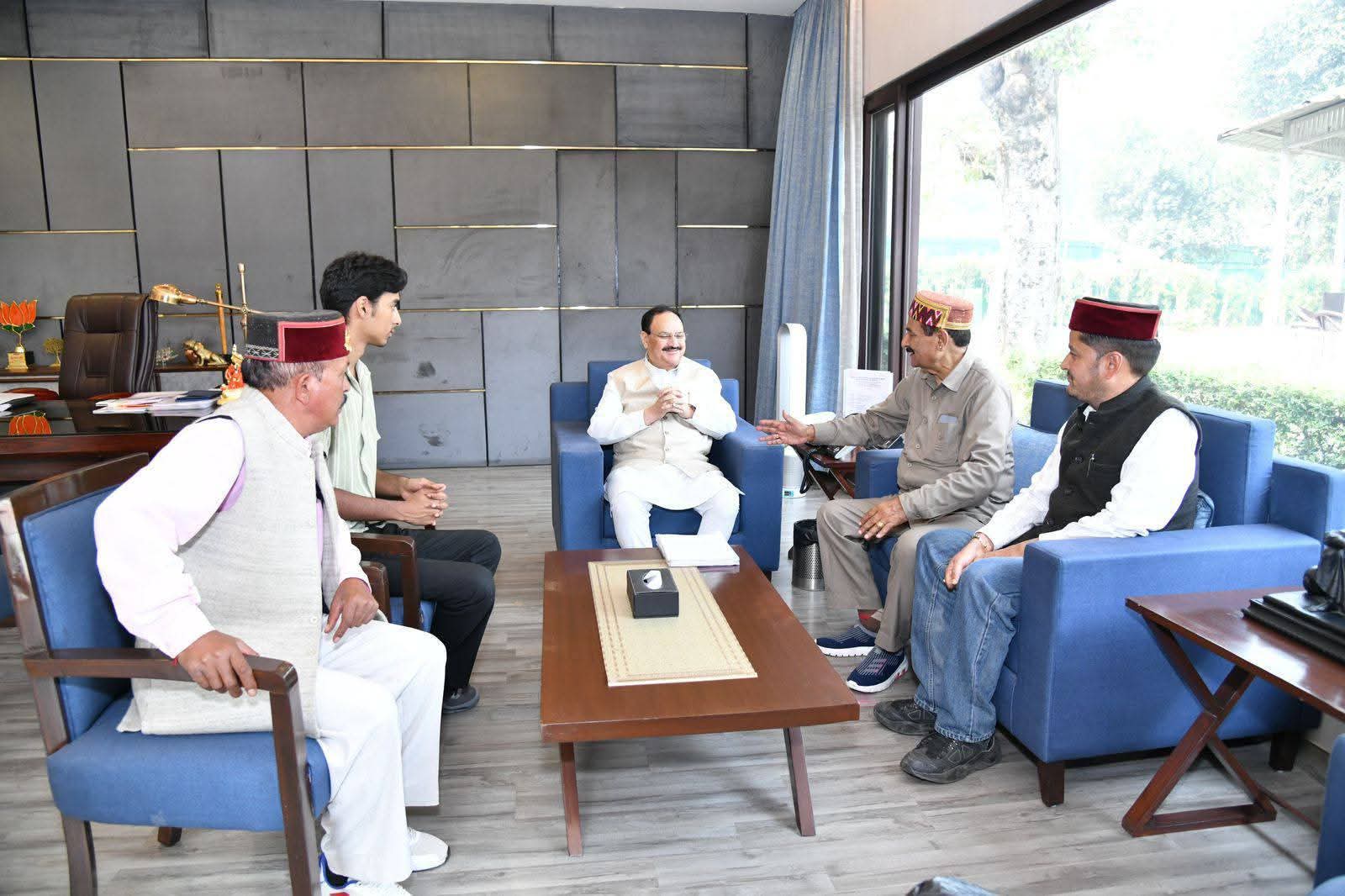
Chief Minister Sukhvinder Singh Sukhu on today said that Himachal Pradesh is moving decisively towards a clean and sustainable energy future, with geothermal energy emerging as a key pillar of the State’s green transition. Presiding over a review meeting with senior officers last evening, the Chief Minister reiterated the government’s ambitious goal of making Himachal Pradesh a Green Energy State by 2026, meeting over 90 percent of its energy requirements through renewable sources.
Highlighting the State Government’s commitment to systemic reform, the Chief Minister said the transformation is being driven by the spirit of ‘Vyavastha Parivartan’, aimed at creating a clean, self-reliant and climate-resilient Himachal.
Geothermal Energy: A Sustainable Alternative
CM Sukhu said that, in view of changing climatic conditions, geothermal energy could prove to be a sustainable, secure and reliable source of renewable power. While hydropower has long been the backbone of Himachal’s energy sector, the State is now adopting an integrated energy approach, combining hydro, solar and geothermal resources to further reduce dependence on fossil fuels.
He pointed out that Himachal Pradesh possesses significant geothermal potential, particularly in Manikaran and Kasol in Kullu district and Tattapani in Mandi district. These regions record surface temperatures ranging between 57°C and 97°C, along with high geothermal gradients, making them suitable not only for power generation but also for tourism-linked development around hot springs.
Harnessing geothermal resources, he said, reflects the Government’s focus on innovative governance and optimal utilization of natural assets under the Vyavastha Parivartan framework.
Powering Remote and Cold Regions
The Chief Minister said that small geothermal plants could play a transformative role in powering remote villages in Kullu, Mandi and Lahaul-Spiti districts. He added that geothermal energy would be particularly beneficial for cold towns such as Shimla, Manali and Keylong, where it can provide dependable base-load power throughout the year.
“In mountainous regions, where solar and wind energy are often inconsistent, geothermal energy offers round-the-clock electricity supply,” he said, noting that the resource remains largely untapped in India.
Boost to Tourism, Employment and Agriculture
CM Sukhu emphasized that geothermal energy would be eco-friendly for homes and hotels, help reduce deforestation and fossil fuel use, and significantly boost the tourism sector. Development of geothermal spas, wellness centres and resorts around hot spring locations like Manikaran and Tattapani would promote eco-tourism and attract visitors year-round.
The initiative is also expected to generate local employment opportunities in drilling, plant operations and maintenance.
Additionally, geothermal heat could assist farmers in colder regions to grow vegetables and flowers, support food drying and processing, and be used for heating in winter and cooling in summer in residential and commercial buildings. The Chief Minister said this would also help in reducing electricity bills due to the high efficiency of geothermal systems.
Global Perspective
Referring to global trends, CM Sukhu said that although geothermal energy remains underutilized in India, it has proven successful in tectonically active regions worldwide. Countries such as Iceland, Indonesia, China and the United States have made significant investments in geothermal power, with the US currently being the world’s largest producer. As many as 80 countries globally are actively using geothermal energy, he added.
The Chief Minister concluded by saying that geothermal energy would serve as an additional and reliable renewable source, strengthening energy security, particularly in remote and inaccessible areas of Himachal Pradesh, while accelerating the State’s journey towards a greener future.