
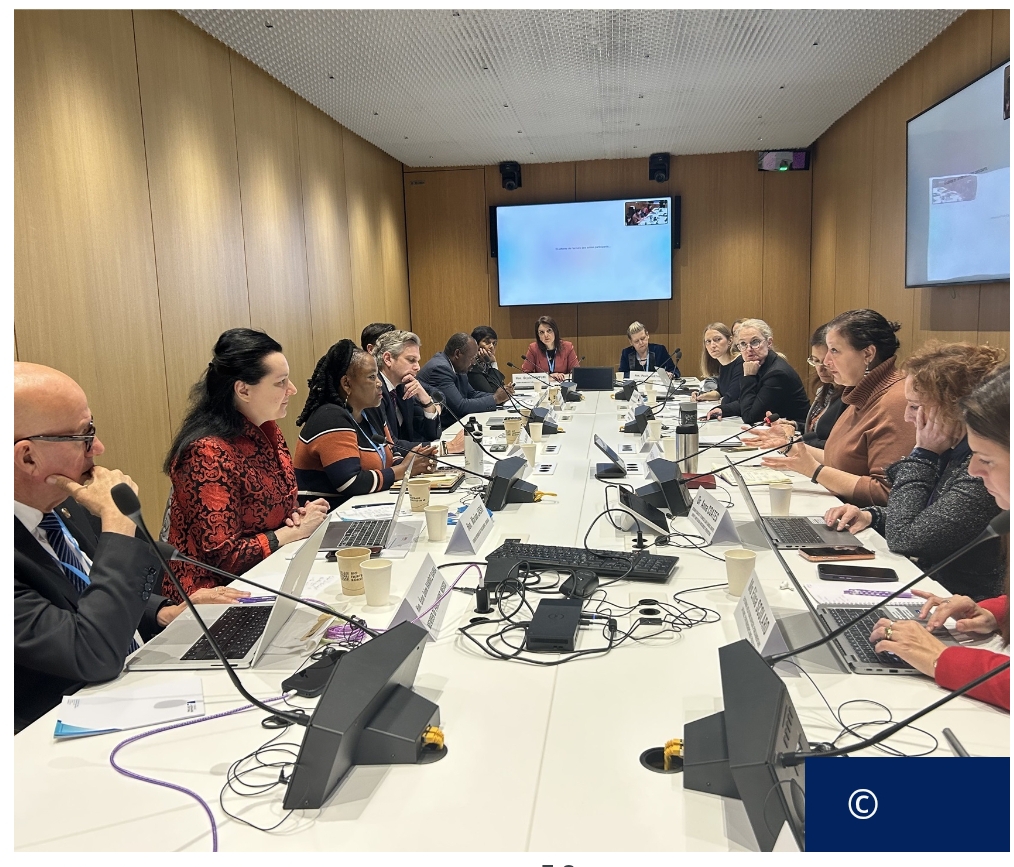
WHO Executive Board Reviews Mid-Term Progress on Immunization Agenda 2030 Amid Shifts in Global Health Landscape.
Member States emphasize equity, integration, and sustainability as key to achieving IA2030 goals.
Geneva:
The World Health Organization’s (WHO) Executive Board has reviewed progress on the Immunization Agenda 2030 (IA2030), reaffirming the global commitment to ensure that everyone, everywhere, benefits from life-saving vaccinations. During its 158th session, delegations from 36 Member States across all WHO regions, alongside 11 non-State actors, acknowledged both the achievements and the challenges facing the IA2030 vision.
Adapting to a Changing Global Health Environment
Member States highlighted that the global health architecture and financing landscape have changed significantly since IA2030’s adoption in 2020. In light of these shifts, they emphasized that strategies to achieve IA2030 must adapt to ensure impact in an evolving context. A strong focus on equity was central to discussions, with particular attention on reaching zero-dose and under-immunized children, especially those living in fragile, conflict-affected, or remote areas.
Integration and Life-Course Approach
Delegates stressed the importance of integrating immunization into broader health systems, including primary health care, universal health coverage, national budgets, and health information systems. They also called for a life-course approach to vaccination, ensuring that people of all ages receive necessary immunizations.
Prioritization Amid Funding Constraints
Given declining domestic and international financing, Member States underscored the need to refocus IA2030 activities on core priorities. Surveillance, outbreak response, and demand generation were highlighted as critical in a constrained funding environment. Delegates also urged replenishment of the Contingency Fund for Emergencies to support vaccination campaigns and disease surveillance in 36 emergency-affected countries.
Concerns over misinformation and vaccine hesitancy were widely noted. Member States called for stronger risk communication and community engagement, emphasizing evidence-based messaging to build trust and sustain vaccine demand.
Data, Accountability, and Country Ownership
Improved data and accountability were recurring themes. Delegates called for better subnational and disaggregated data, investment in digital immunization systems, and robust accountability mechanisms to track progress.
Country ownership was also emphasized as a cornerstone for long-term success. Aligning IA2030 with national plans, strengthening domestic financing, and ensuring sustainable pathways were seen as essential to achieving immunization goals.
Looking Ahead: Coordination and Partner Engagement
Member States urged WHO and its partners—including Gavi, UNICEF, the Global Fund, and civil society—to provide clear prioritization guidance for the second half of the IA2030 decade. Delegates stressed the need for coordinated action to direct limited resources toward the most critical areas and sustain public demand for vaccination. The IA2030 mid-term review will be further discussed at the seventy-ninth World Health Assembly in May 2026.
Broader Health Strategy Discussions
During the session, Member States also reviewed the End TB Strategy and the Polio Eradication Strategy. Delegates noted that the world remains off track to meet TB milestones and called for integrating TB services into primary health care, ensuring equitable access to diagnostics and treatments, and advancing innovations, including new TB vaccines for adolescents and adults.
Polio eradication efforts were recognized for progress in interrupting wild poliovirus transmission outside Afghanistan and Pakistan, but delegates emphasized the need to reach zero-dose and mobile populations. They supported extending the Polio Eradication Strategy to 2029 and integrating polio assets into broader health systems to strengthen long-term resilience.
The Executive Board discussions underscore that achieving IA2030 requires a renewed focus on equity, integration, sustainability, and strong partnerships, alongside sustained financing and political commitment to meet the world’s immunization goals.