
Himachal Pradesh CM Warns Against Abolition of Revenue Deficit Grant, Calls It a Rights Issue.
Shimla:
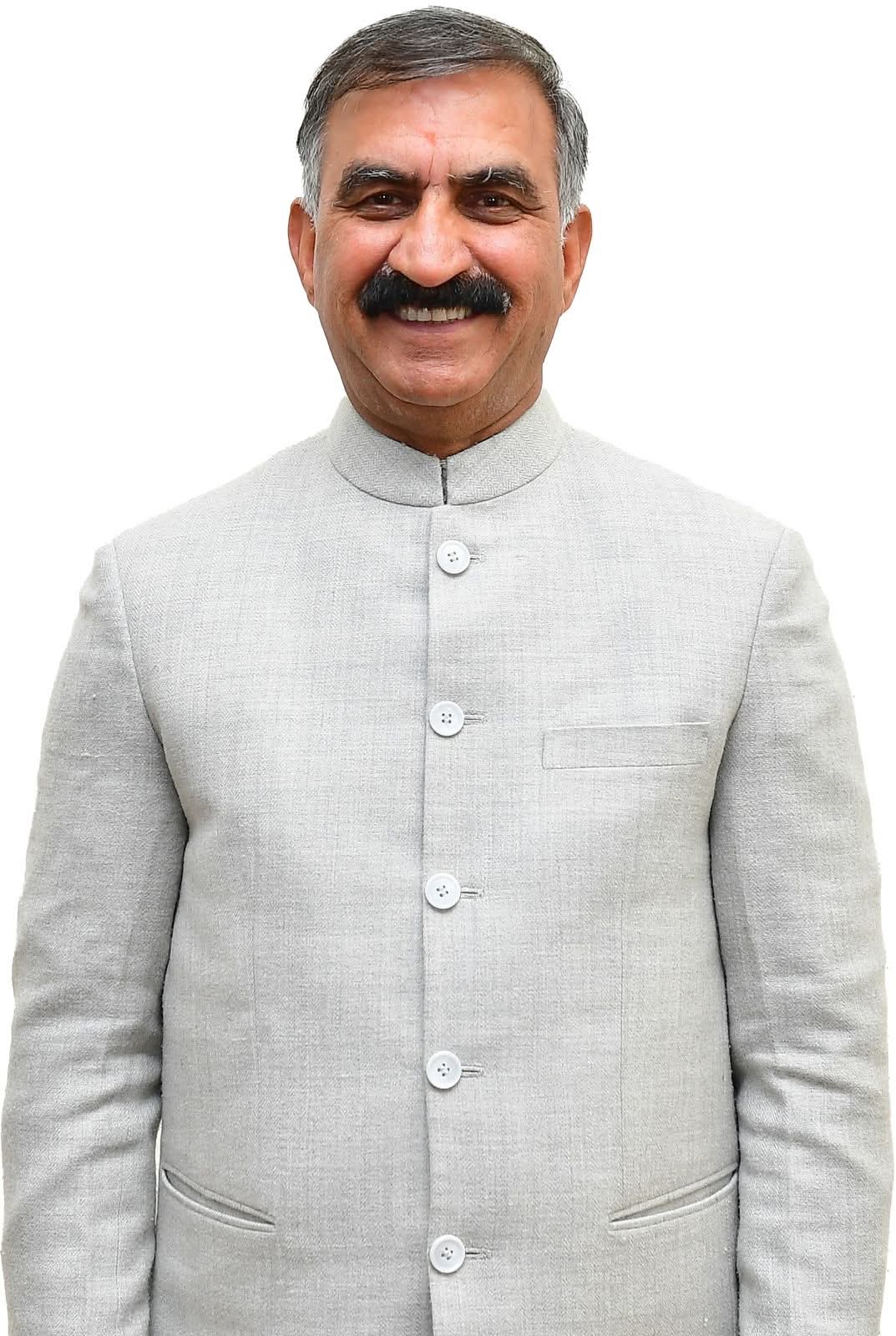
Chief Minister Sukhvinder Singh Sukhu yesterday expressed deep concern over the abolition of the Revenue Deficit Grant (RDG), describing it not as a matter of government policy but as a question of the rights of the people of Himachal Pradesh. He emphasized that the move, recommended by the 16th Finance Commission, could have long-term repercussions on the State’s economy and budget.
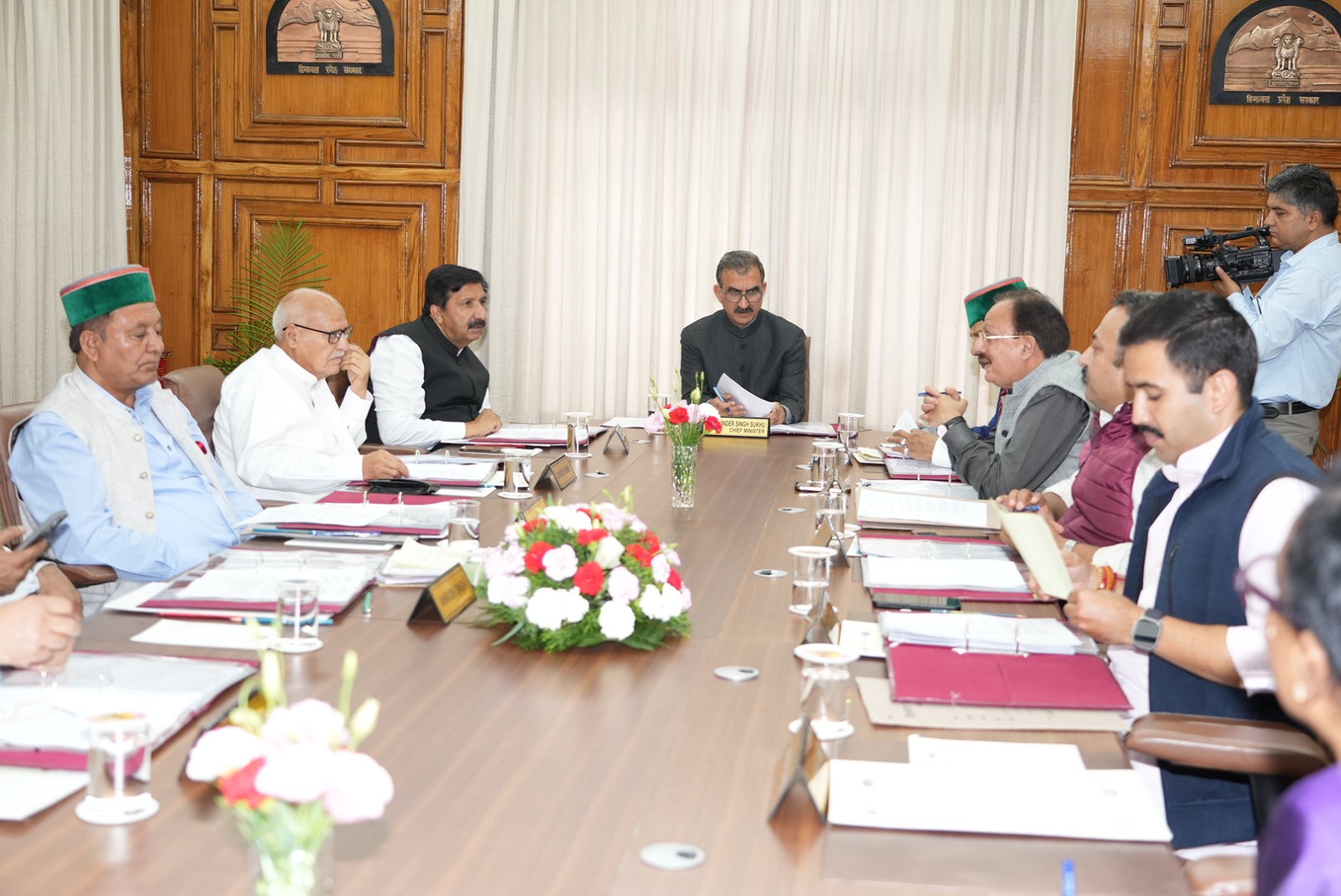
The comments came after a comprehensive presentation on the State’s financial position and the potential effects of the abolition of RDG was made by the Finance Department. The presentation was attended by Chief Minister Sukhu, Deputy CM Mukesh Agnihotri, Speaker H.P. Vidhan Sabha Kuldeep Pathania, Cabinet Ministers, MLAs, Administrative Secretaries, department heads, and representatives of the State media.
During the briefing, CM Sukhu criticized the absence of BJP MLAs, stating, “We invited them to attend and understand the State’s fiscal distress, but unfortunately, they did not come. Abolition of RDG is not the issue of a government; it is the matter of the rights of the people. We are ready to go to Delhi along with BJP MPs and MLAs to take up this issue with the Prime Minister. Once the RDG provision is gone, it will be extremely difficult to reclaim these rights for the people of Himachal Pradesh.”
Himachal Pradesh is among the worst-affected States following the scrapping of RDG for 17 States, as 12.7 percent of its budget comes from this grant — the second-highest proportion in the country.
The Chief Minister also highlighted the adverse effects of the post-GST regime on the State’s revenue. “Before GST, our tax collection growth was 13-14 percent, but it has now dropped to around 8 percent. Being a producer State, GST has hit us hard as it is a consumer-based tax, and our population is only 75 lakh,” he said. He added that the State’s competency to impose taxes has been significantly reduced post-GST.
He further stressed the need for concerted efforts to protect the State’s resources, including power royalties and arrears. “The central government should ensure at least 50 percent royalty on power projects that have repaid their loans, and return all projects that have completed 40 years of commissioning. Additionally, Rs. 4,500 crore of BBMB arrears have not been given since 2012, despite a Supreme Court verdict. We are also fighting to regain the Shanan Power Project from Punjab, whose lease period is over,” he said.
CM Sukhu reiterated the State Government’s commitment to self-reliance, stating that Himachal Pradesh has generated revenue of Rs. 26,683 crore from its own resources, primarily from river waters, forests, and tourism, although this is insufficient to meet the State’s fiscal demands. He assured citizens that welfare schemes will continue, resources will be increased, and the Government will fight for the State’s legitimate rights.
Highlighting measures to boost revenue without burdening the public, Sukhu said, “We have successfully negotiated the inclusion of open forest revenue and disaster funds for landslides with the 16th Finance Commission, which earlier only accounted for droughts and cyclones.”
Finance Principal Secretary Devesh Kumar, during the presentation, underscored the critical role of RDG under Article 275(1) of the Constitution. He explained that the State’s projected revenue from 2021 to 2026 was Rs. 90,760 crore against an expenditure of Rs. 1,70,930 crore, with the deficit previously funded by tax devolution, RDG, and other grants. Post-16th Finance Commission, there has been no individual State assessment, creating a resource gap of around Rs. 6,000 crore for FY 2026-27, excluding developmental works and pending liabilities.
Kumar stressed that even with reforms to increase revenue and reduce expenditure, the resource gap will persist, making RDG indispensable for the State. He added that the Special Category Status for hilly States like Himachal Pradesh was granted due to geographical and developmental challenges, not financial viability, and the abolition of RDG could have serious consequences for future Governments as well.
Industries Minister Harshwadhan Chauhan also noted that the Cabinet had deliberated extensively on the 16th Finance Commission’s report and the Finance Department had submitted recommendations to mitigate the fiscal impact, with the Cabinet set to take the final call.
CM Sukhu concluded, “The abolition of RDG is not a temporary concern. Its implications are long-term and affect every Government and citizen of Himachal Pradesh. We will continue to fight for our rights and ensure that the people of the State are not deprived of what is constitutionally theirs.”