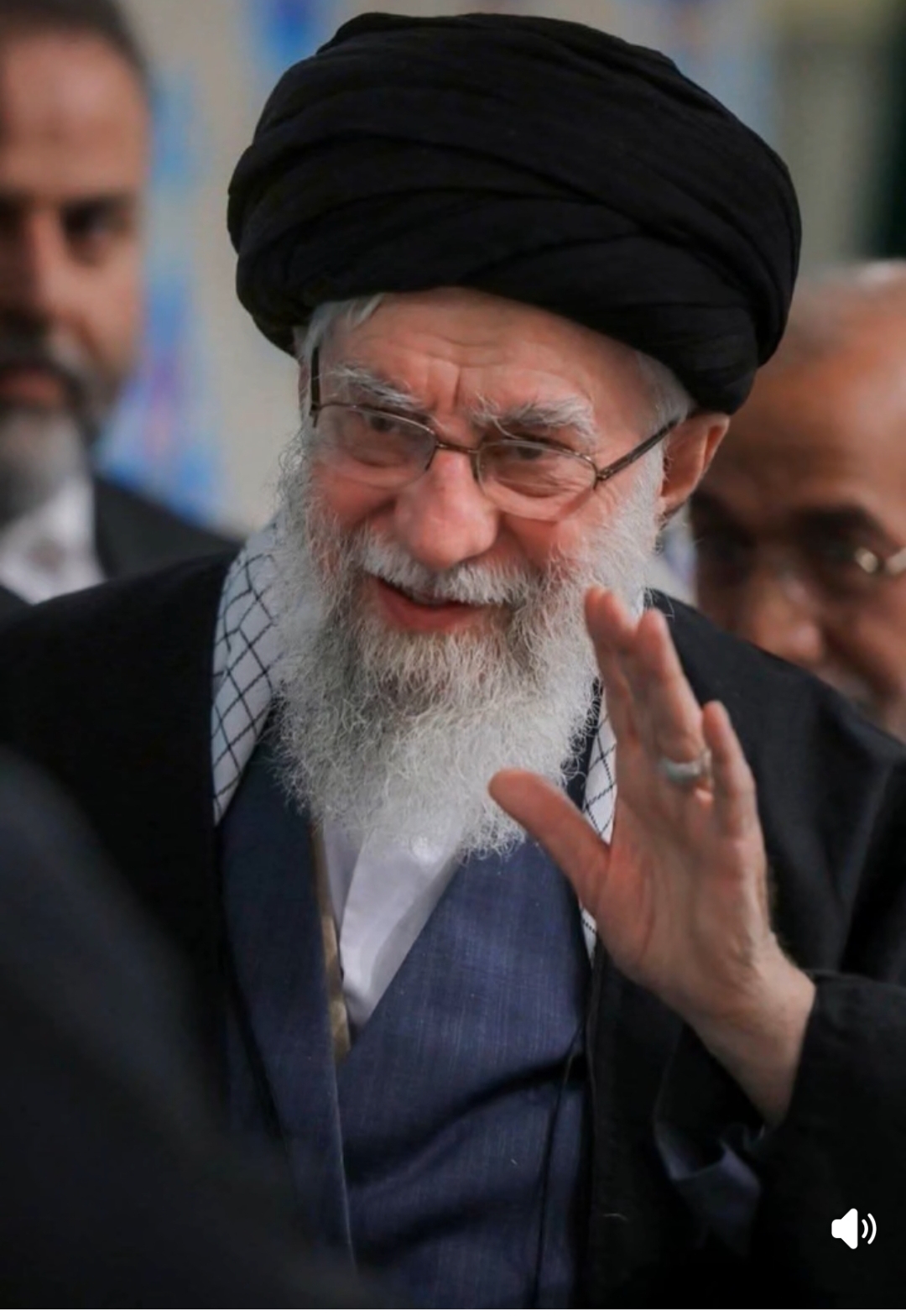
Iran Confirms Death of Supreme Leader Ayatollah Ali Khamenei After U.S.–Israeli Strikes; Region Braces for Escalation.
Tehran / Middle East:
Iran’s Supreme Leader Ayatollah Ali Khamenei, the country’s highest authority since 1989, has been confirmed killed following large-scale air strikes by the United States and Israel, state media and official sources said on Sunday. The attack marks a dramatic escalation in tensions between Iran and Western allies, with repercussions reverberating across the Middle East and global markets.
Joint U.S.–Israeli Operation and Confirmation of Death
Iranian state television announced early Sunday that Khamenei, aged 86, died in his office during coordinated U.S. and Israeli strikes that began on Saturday, triggering a massive military campaign against targets across Iranian territory. Iran declared 40 days of national mourning and extended public holidays as part of official ceremonies.
A senior Israeli official, cited by international media, confirmed that Khamenei’s body had been recovered from the rubble of his compound in Tehran, and Israeli Prime Minister Benjamin Netanyahu said the operation destroyed key leadership facilities.
U.S. President Donald Trump described the action as aimed at eliminating what he called a long-standing threat and offered the Iranian people “a chance to take back their country.”
Wider Casualties and Military Impact
The strikes, reportedly involving hundreds of aircraft and missiles, hit military and defence infrastructure nationwide. International reports indicate that dozens of senior Iranian officials—including the Defence Minister and Islamic Revolutionary Guard Corps commanders—were also killed, and satellite imagery showed significant damage around Tehran.
Casualty figures vary, but hundreds have been reported dead or wounded across Iran. Images and eyewitness accounts described heavy destruction, including strikes near densely populated areas and facilities.
Iran’s Response and Regional Escalation
In response, the Islamic Revolutionary Guard Corps vowed severe retaliation, calling for “the most ferocious offensive operation” against U.S. and Israeli forces. Iran has launched missiles and drones targeting U.S. military bases in Gulf states and Israeli territory, triggering civilian casualties and forcing airspace closures across the region.
Global Reactions and Uncertain Future
The sudden removal of Iran’s supreme cleric has triggered widespread international concern. Governments and global institutions, including the United Nations, have called for de-escalation and restraint, warning that the conflict could spiral further. Economic indicators, including oil prices, have fluctuated sharply amid fears of instability in the critical Strait of Hormuz region.
Iran’s internal succession process, outlined in its constitution, will likely be tested under highly volatile conditions, as the balance of power within the Islamic Republic of Iran faces its most severe challenge in decades.