Central Obesity a Bigger Health Threat Than Overall Obesity, Says Dr. Jitendra Singh.
New Delhi:
Union Minister Dr. Jitendra Singh on Sunday highlighted the growing health risks posed by abdominal or central obesity, emphasizing that it is a more dangerous risk factor than overall obesity—especially in the Indian population, where even lean individuals may carry harmful visceral fat.
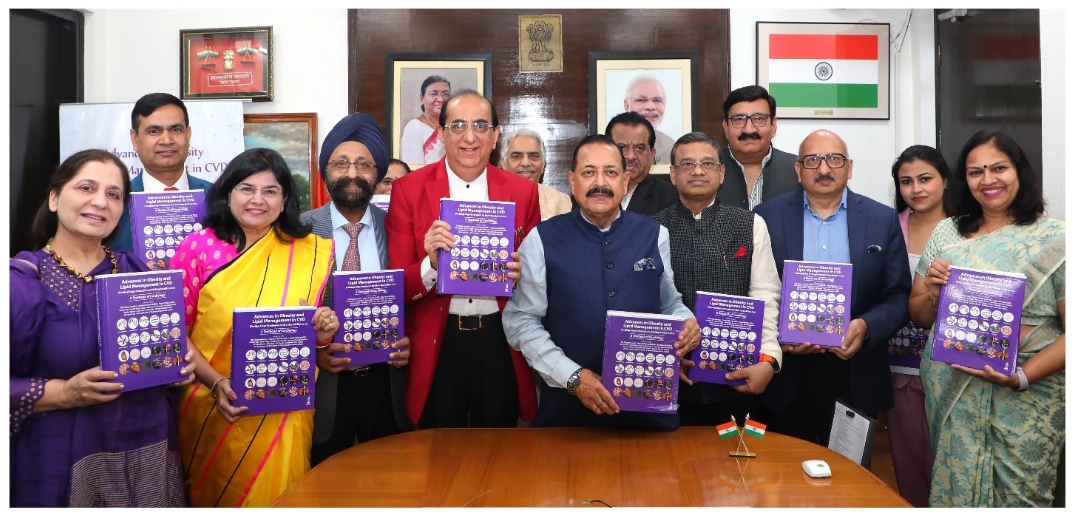
Speaking at the release of the cardiology textbook Advances in Obesity and Lipid Management in CVD, the minister underscored that central obesity acts as an independent determinant of cardiometabolic diseases, regardless of a person’s overall body weight.
Hidden Risk Among “Lean” Individuals
Dr. Singh pointed out that many Indians who appear thin may still have significant fat accumulation around the abdomen, a condition strongly associated with serious health complications. He warned that such central obesity predisposes individuals to a range of metabolic disorders, including:
Type 2 diabetes
Hypertension
Cardiovascular diseases
Fatty liver disease
Dyslipidemia
He stressed that this “distinct Indian phenotype” makes early screening and targeted intervention crucial, even for individuals not classified as overweight.
Rising Burden of Lifestyle Diseases
The minister noted that India is witnessing a surge in obesity-related disorders, particularly among younger populations. He attributed this trend to changing dietary habits, sedentary lifestyles, and reduced physical activity.
Citing emerging scientific evidence, Dr. Singh explained that visceral fat is closely linked to insulin resistance and early onset cardiac complications. He warned that if left unchecked, the country could face a significant rise in obesity prevalence by 2050, increasing both healthcare burden and economic strain.
Alignment with National Health Vision
Dr. Singh said the newly released book aligns with Prime Minister Narendra Modi’s call for greater public awareness and lifestyle changes to combat obesity. He reiterated the importance of reducing unhealthy dietary practices, including excessive oil consumption, and promoting balanced living.
He described the initiative as part of a broader national vision of building a “Vikshit Bharat” and “Swasthya Bharat,” with a long-term goal of achieving an obesity-free India.
Scientific and Clinical Advancements Highlighted
Edited by renowned cardiologist Dr. H. K. Chopra, the textbook brings together insights from over 300 experts worldwide. It reflects a shift toward precision prevention and modern therapeutic approaches in cardiovascular care.
The publication covers advanced treatment strategies, including:
GLP-1 receptor agonists such as Semaglutide and Tirzepatide
Lipid-lowering therapies like statins, ezetimibe, and PCSK9 inhibitors
Emerging interventions such as inclisiran, apheresis, and gene-based therapies
These innovations, the minister noted, are expected to significantly improve cardiovascular outcomes and reduce mortality.
Call for Balanced Health Practices
Dr. Singh also cautioned against extreme or unscientific fitness practices. He emphasized the importance of sustainable lifestyle habits, including proper rest, adequate sleep, and medically guided exercise routines.
A Comprehensive Clinical Resource
The book comprises 23 sections and 172 chapters, serving as a detailed, evidence-based guide for clinicians. It aims to bridge the gap between research and patient care, ultimately improving treatment outcomes.
Dr. Singh praised Dr. Chopra and his editorial team for their contribution to advancing medical knowledge and fostering clinical excellence in India and beyond.