Trump Claims Iran Deal Near Completion as Dispute Emerges Over Strait of Hormuz Reopening.
WASHINGTON:
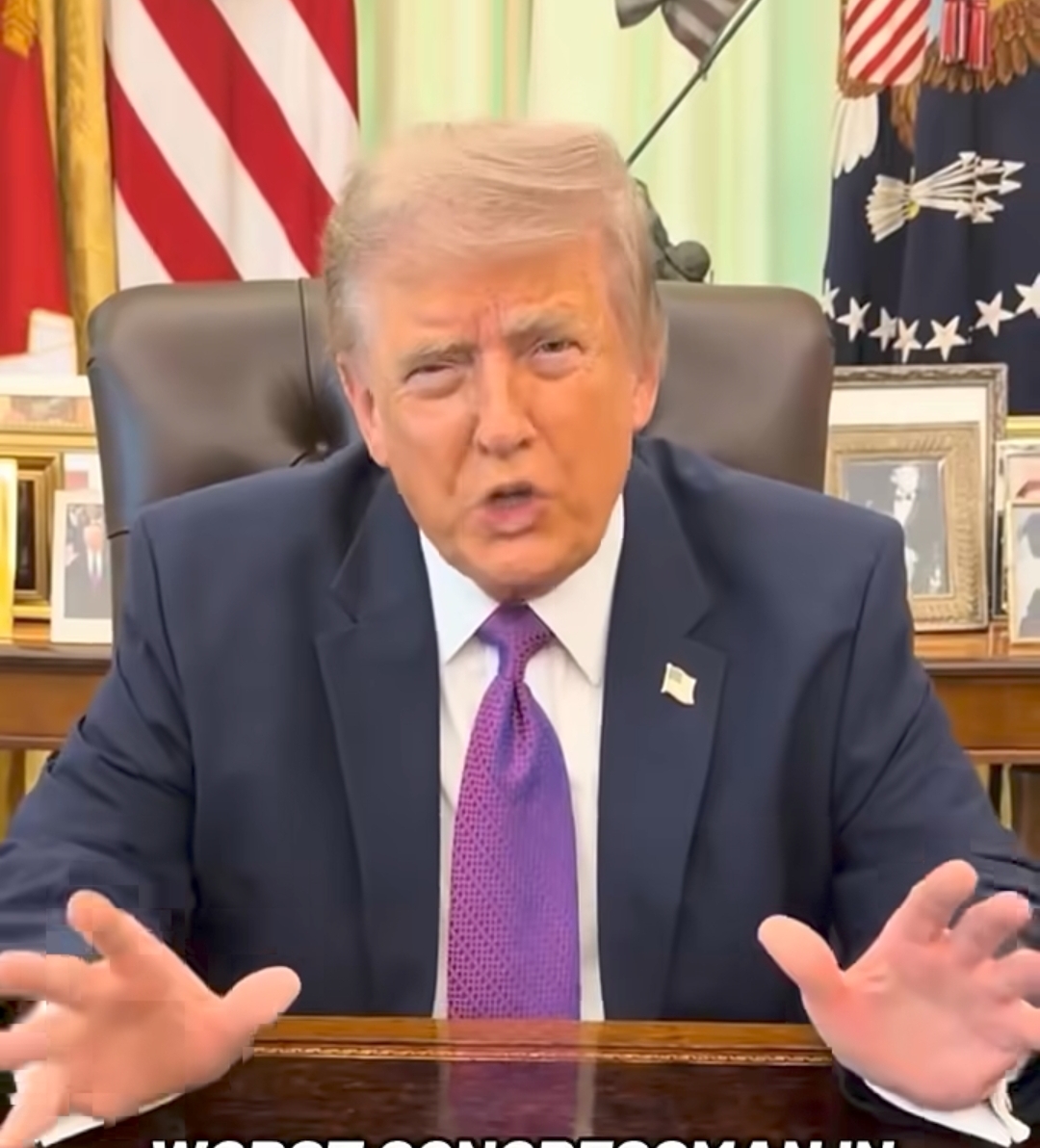
US President Donald Trump said on Saturday that a “largely negotiated” memorandum of understanding aimed at ending the ongoing conflict with Iran was close to completion, claiming the proposed agreement would reopen the strategically vital Strait of Hormuz and ease tensions in the region.
Trump stated that the “final aspects and details” of the agreement were still under discussion and would be announced soon. According to him, the emerging framework could restore commercial shipping through the Strait of Hormuz, a critical global energy corridor that has remained disrupted since the outbreak of war between the United States, Israel, and Iran earlier this year.
The Strait of Hormuz handles a significant portion of the world’s oil exports, and any disruption there has immediate consequences for global energy prices and international markets.
However, Iran quickly challenged Trump’s remarks. Iranian state-linked News Agency reported on Sunday that Trump’s claim regarding the reopening of the strait was “inconsistent with reality.” The agency added that the proposed understanding would instead allow Iran to continue managing security and operations in the waterway.
Proposed Agreement Focuses on Ceasefire and Nuclear Commitments
According to a reports, the United States and Iran are nearing an agreement that could include a 60-day extension of the ceasefire while reopening the Strait of Hormuz without imposing transit tolls.
The draft framework reportedly contains several major concessions and commitments from both sides. Under the proposal:
Iran would be permitted to continue selling oil freely.
The United States would ease restrictions on Iranian ports and grant limited sanctions waivers on Iranian oil exports.
Tehran would pledge never to pursue nuclear weapons.
Negotiations would begin on suspending Iran’s uranium enrichment programme and removing its stockpile of highly enriched uranium.
Meanwhile, the reports suggest that Iran may make an “apparent commitment” to surrender its highly enriched uranium stockpile, although the exact mechanism for doing so would be determined in later negotiations.
The issue of Iran’s nuclear programme has remained central to the conflict. Trump has repeatedly stated that US military action was intended to prevent Iran from developing nuclear weapons. Tehran, however, maintains that its nuclear activities are strictly for civilian and energy purposes and insists it has the right to enrich uranium under international agreements.
Pakistan Playing Mediation Role
Iranian officials confirmed on Saturday that discussions were progressing toward a formal memorandum of understanding after high-level meetings with Asim Munir, Pakistan’s army chief.
Pakistan has increasingly positioned itself as a mediator in the crisis. The Pakistani military described the talks as “encouraging,” while sources involved in the negotiations said the proposed agreement was “fairly comprehensive” and aimed at fully ending the conflict.
According to sources cited by Reuters, the proposed peace framework would proceed in three phases:
1. A formal declaration ending the war.
2. Measures to stabilize and reopen the Strait of Hormuz.
3. A 30-day negotiation period for a broader long-term agreement, with the option for extension.
One Pakistani source indicated that if Washington formally accepts the memorandum, additional rounds of negotiations could begin after the Eid holidays conclude next week.
Domestic Pressure on Trump
The prolonged conflict has also created political challenges for Trump domestically, particularly as rising fuel and energy prices continue to affect American consumers. Trump acknowledged the seriousness of the situation on Friday, saying he would remain in Washington instead of attending his son’s wedding celebrations due to ongoing developments involving Iran.
While no official agreement has yet been signed, diplomatic activity appears to be accelerating, raising cautious hopes for a potential breakthrough in one of the most dangerous geopolitical crises in recent years.