Industrial Area Under Scanner as Dead Fish Found Floating in Ratti Khad.
Shimla:
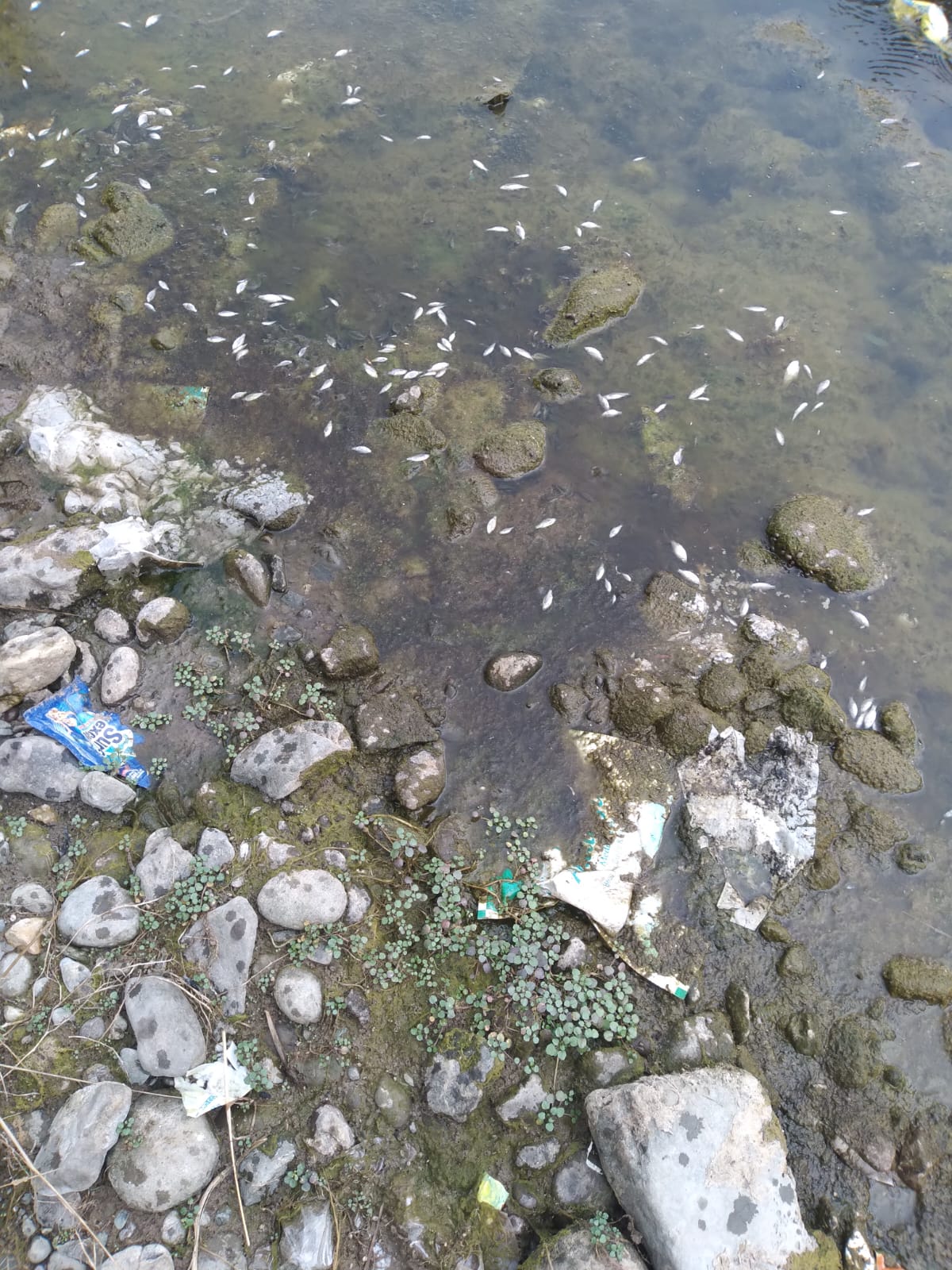
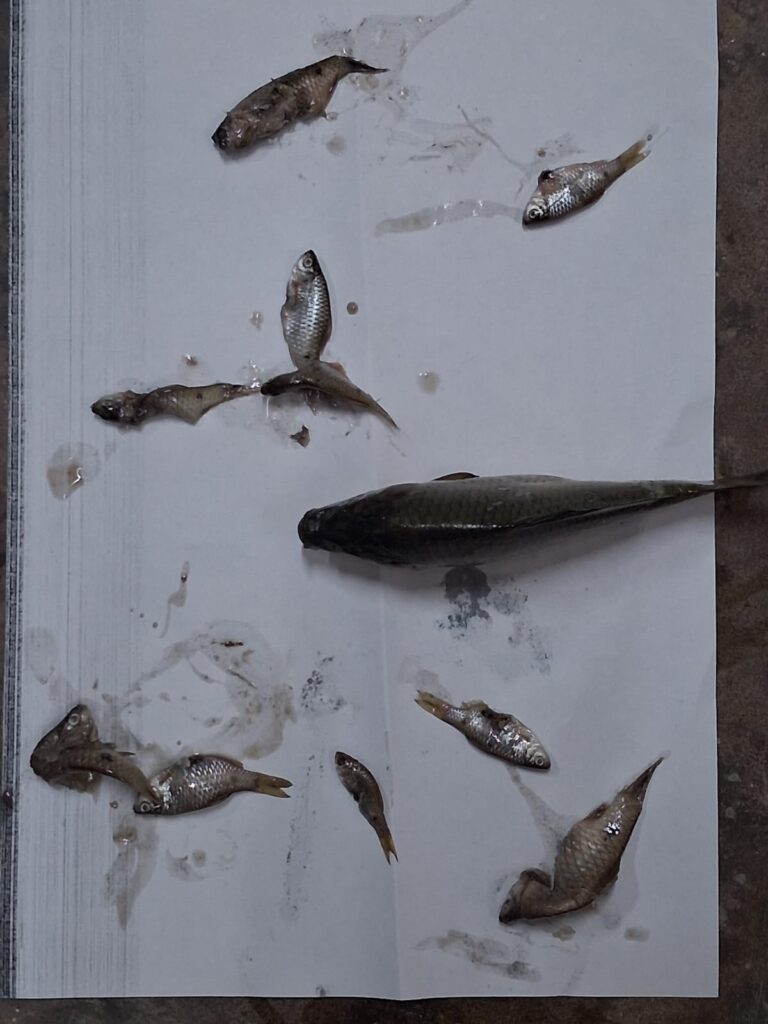
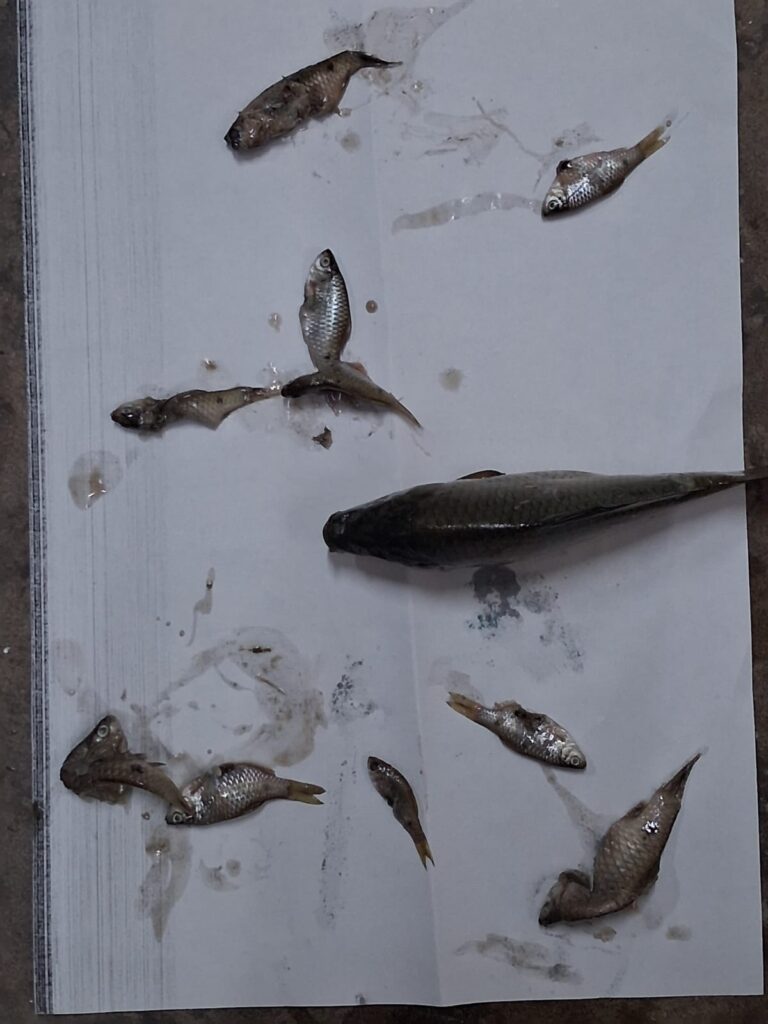
A serious environmental concern has emerged in the Ratti area of Mandi district after reports of large-scale fish mortality and heavy accumulation of slurry in the Ratti Khad. Acting on a complaint received from local resident Kapil Thakur, the Himachal Pradesh State Pollution Control Board (HPSPCB) has issued a Show Cause Notice to the General Manager of the District Industries Centre (DIC), Mandi, under the provisions of the Water (Prevention and Control of Pollution) Act, 1974, and the Environment (Protection) Act, 1986.
According to the notice issued by Er. Vinay Kumar, Regional Officer, HPSPCB Mandi, a complaint was received via email on June 12, 2026, alleging severe pollution in the Ratti River area near the local police station. The complaint highlighted extensive slurry deposits and the death of a significant number of fish in the water body.
Following the complaint, a joint inspection was conducted on June 12 by officials from the Pollution Control Board, Fisheries Department, Industries Department, Panchayat representatives, and local residents. During the inspection, residents informed the team that the fish mortality had occurred approximately two to three days earlier and that dead fish had been observed floating in the khad near the Ratti Bridge.
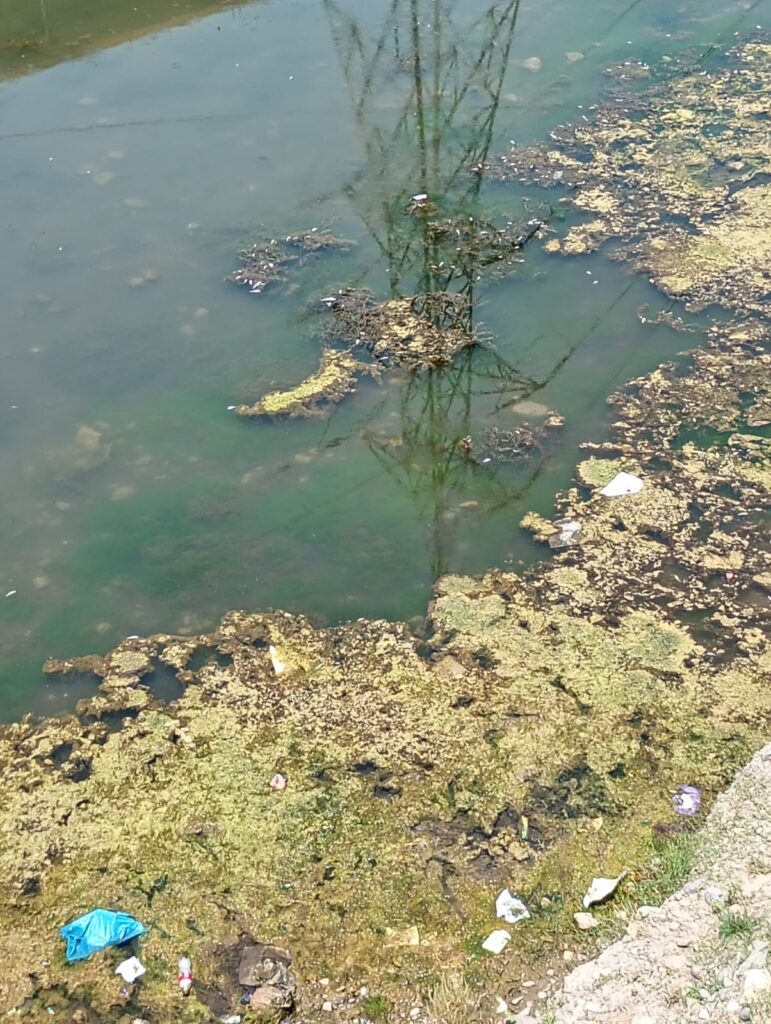
During the investigation into the cause of the fish deaths, officials inspected the nearby industrial area and discovered a major sewage management failure. An inspection revealed that a chamber designed to carry sewage to a septic tank was overflowing. Furthermore, the connections between the chamber and the septic tank were found to be damaged, resulting in the discharge of untreated sewage directly into Ratti Khad.
The inspection team observed stagnant sewage accumulating in the water body. Water samples were collected from both upstream and downstream locations and sent to a laboratory for analysis to determine the extent of contamination and its potential role in the fish mortality incident.
The HPSPCB has stated that the discharge of untreated sewage into a natural water body constitutes a gross violation of environmental laws. The notice cites violations of Sections 20 and 24 of the Water (Prevention and Control of Pollution) Act, 1974, which prohibit the disposal of polluting matter into streams and water bodies.
The Board has warned that the responsible authorities may face regulatory and penal action under Sections 41, 41A, 43, 44, and 45A of the Water Act, along with applicable provisions of the Environment (Protection) Act, 1986. In addition, environmental compensation may be imposed based on the “Polluter Pays Principle” in accordance with the methodology approved by the National Green Tribunal (NGT) in the landmark case Paryavaran Suraksha Samiti & Another vs. Union of India & Others.
The compensation amount will be determined according to the pollution index of the industrial area and the duration of the environmental violation.
The Pollution Control Board has directed the District Industries Centre and concerned authorities to immediately stop the discharge of sewage into Ratti Khad and make proper arrangements for the treatment and disposal of sewage generated from the industrial area. A compliance period of three days has been provided.
The notice further directs the authorities to explain why regulatory and penal action should not be initiated for the alleged violations. Failure to comply with the directions or provide a satisfactory response within the stipulated period may result in legal proceedings and environmental penalties at the violator’s own risk and cost.
Copies of the notice have been forwarded to the Deputy Commissioner, Mandi; the Sub-Divisional Magistrate, Balh; the Assistant Director of Fisheries, Mandi; and the complainant, Kapil Thakur.
The incident has raised concerns among local residents regarding the environmental health of Ratti Khad and the effectiveness of sewage management systems in the industrial area. The results of the laboratory analysis are expected to provide further clarity on the causes of the fish mortality and the extent of pollution in the water body.