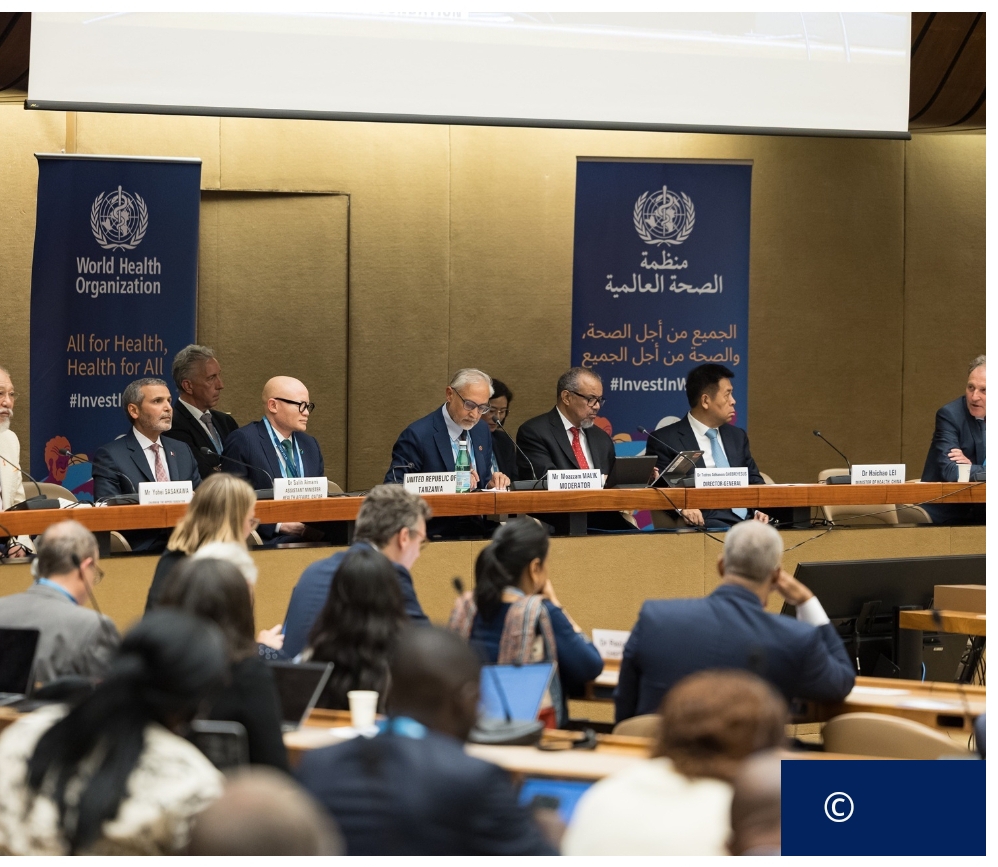

Over 1 Billion People Now Living with Mental Health Disorders, WHO Warns in Urgent Global Call to Action.
WHO’s latest reports expose critical gaps in mental health care, call for urgent investment, legal reform, and equitable access ahead of UN High-Level Meeting.
GENEVA:
More than 1 billion people globally are now living with mental health disorders, according to new data released by the World Health Organization (WHO). Conditions such as anxiety and depression are contributing to a mounting public health and economic crisis, with WHO calling for urgent, systemic transformation in how mental health is prioritized and delivered worldwide.
The findings are detailed in two comprehensive new reports — “World Mental Health Today” and the “Mental Health Atlas 2024” — which offer the most up-to-date overview of mental health worldwide. The data will serve as a critical foundation for dialogue and policy action during the upcoming United Nations High-Level Meeting on Noncommunicable Diseases and Mental Health, scheduled for 25 September 2025 in New York.
“Transforming mental health services is one of the most pressing public health challenges,” said Dr Tedros Adhanom Ghebreyesus, WHO Director-General. “Investing in mental health means investing in people, communities, and economies – an investment no country can afford to neglect.”
Mental Health: A Growing Global Crisis
According to WHO’s estimates, anxiety and depression are now among the most common mental health conditions globally, cutting across all regions, ages, and income groups. They rank as the second-leading cause of long-term disability, severely impacting quality of life and economic productivity.
Mental health conditions are responsible for:
- $1 trillion in annual global economic losses, primarily due to reduced productivity;
- Increased health-care costs for individuals and families;
- Severe emotional and social consequences that ripple across communities.
Suicide: A Persistent Tragedy
The data also reveals the grim toll of suicide, which claimed approximately 727,000 lives in 2021 alone. Suicide remains a leading cause of death among young people globally.
Despite global commitments under the Sustainable Development Goals (SDGs) to reduce suicide mortality by one-third by 2030, the current pace of progress is far too slow. On the present trajectory, the reduction will only be 12% by the 2030 deadline.
Investment Still Alarmingly Low
One of the most concerning findings from the Mental Health Atlas 2024 is the lack of progress in mental health funding:
- Median government spending on mental health remains at just 2% of national health budgets, unchanged since 2017.
- High-income countries spend up to US$ 65 per capita, while low-income countries allocate as little as US$ 0.04 per person.
- The global median number of mental health professionals is just 13 per 100,000 people, with critical shortages in many regions.
Policy Progress but Limited Legal Reform
Since 2020, many countries have made strides in updating their mental health policies, often adopting rights-based approaches and improving preparedness for mental health emergencies. However, progress in legal reform has been far slower:
- Fewer than half of countries evaluated have mental health laws fully aligned with international human rights standards.
- Many mental health services still rely on institutionalized, hospital-based care, with over 20% of psychiatric hospital stays lasting longer than one year and nearly half of admissions occurring involuntarily.
Community-Based and Primary Care Still Lagging
WHO continues to advocate for a shift toward community-based, person-centered care, yet only fewer than 10% of countries have fully transitioned to this model.
Encouragingly, integration of mental health into primary care is improving, with 71% of countries meeting at least three of five WHO criteria for integration. However, vast gaps in service coverage remain, especially in low-income settings where fewer than 1 in 10 people with severe mental health conditions receive care.
In contrast, over 50% of those in high-income countries are able to access treatment, highlighting glaring global inequities in mental health care.
Emerging Hope: Telehealth and School-Based Support
Despite challenges, the reports highlight positive trends:
- Telehealth and outpatient services are expanding, particularly in response to the COVID-19 pandemic and subsequent mental health demand.
- More than 80% of countries now include mental health support in emergency response plans, up from just 39% in 2020.
- Countries are increasingly promoting school-based mental health and early childhood development programmes, though coverage remains uneven.
A Global Wake-Up Call
While there has been progress, WHO stresses that the world is not on track to meet the objectives of its Comprehensive Mental Health Action Plan, which aims for universal access to quality mental health care.
WHO is issuing a global call to action, urging governments and partners to commit to bold reforms and sustained investments to ensure mental health is treated as a basic human right, not a privilege.
Key Recommendations from WHO:
- Equitable Financing
Increase government funding for mental health and ensure fair distribution of resources. - Legal and Policy Reform
Enact and enforce mental health laws that protect human rights and promote dignity. - Workforce Development
Train and retain more mental health professionals, especially in low-resource settings. - Community-Based Care Expansion
Shift from institutional care to integrated, community-centered services.
“Every government and every leader has a responsibility to act with urgency,” said Dr Tedros. “We need to build systems that not only treat mental illness but also prevent it, support mental well-being, and eliminate stigma.”
As the world prepares for the UN High-Level Meeting on Mental Health later this month, WHO’s message is clear: Mental health must become a global priority — now and for future generations.