
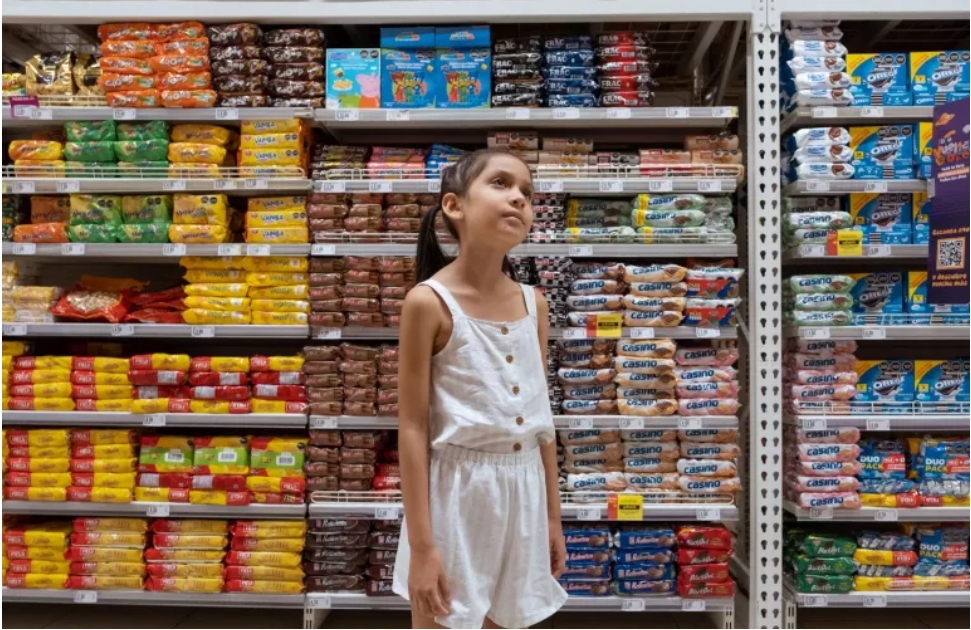
Global Childhood Obesity Surpasses Underweight for the First Time, Warns UNICEF in Alarming Report.
UNICEF report reveals 1 in 10 children worldwide now living with obesity, driven by ultra-processed foods and aggressive marketing tactics.
NEW YORK:
For the first time in history, obesity has overtaken underweight as the most prevalent form of malnutrition among school-aged children and adolescents worldwide, according to a stark new report from UNICEF released today.
Titled “Feeding Profit: How Food Environments are Failing Children,” the report reveals that 188 million children aged 5 to 19 — or 1 in 10 globally — are now living with obesity. This alarming trend places millions at risk of serious health complications and highlights the growing influence of ultra-processed foods and digital marketing on children’s diets.
“When we talk about malnutrition, we are no longer just talking about underweight children,” said UNICEF Executive Director Catherine Russell. “Obesity is a growing concern that can impact the health and development of children.”
A Global Shift in Malnutrition
UNICEF’s findings, based on data from over 190 countries, show a dramatic shift in the nutritional health of young people. Since 2000, the global prevalence of underweight among 5–19-year-olds has declined from nearly 13% to 9.2%, while obesity has more than tripled, rising from 3% to 9.4%.
This shift means obesity now exceeds underweight in all regions of the world except for sub-Saharan Africa and South Asia.
Some countries are facing particularly severe crises:
- Niue reports obesity among 38% of its school-aged children.
- Cook Islands and Nauru follow closely at 37% and 33%, respectively.
- In high-income countries, the rates remain worryingly high — 27% in Chile, and 21% in both the United States and the United Arab Emirates.
The report attributes much of this trend to a dramatic shift in diets, especially in developing nations, where cheap, energy-dense, imported foods are increasingly replacing traditional, nutrient-rich options.
The Role of Ultra-Processed Foods and Marketing
UNICEF’s report underscores the pervasive influence of ultra-processed foods — high in sugar, salt, unhealthy fats, and artificial additives — in children’s daily diets. These foods are not just readily available, they’re also aggressively marketed, especially online.
A global poll of 64,000 youth aged 13-24 found:
- 75% had seen ads for sugary drinks, snacks, or fast food in the previous week.
- 60% said the ads increased their desire to eat these foods.
- Even in conflict-affected regions, 68% of young people reported exposure to these advertisements.
UNICEF emphasized that such marketing often targets children directly through digital platforms, creating a toxic food environment where unhealthy choices are normalized.
“Ultra-processed food is increasingly replacing fruits, vegetables and protein at a time when nutrition plays a critical role in children’s growth, cognitive development and mental health,” said Russell.
Health and Economic Impacts
Obesity during childhood is strongly linked to serious health risks later in life, including type-2 diabetes, cardiovascular disease, and certain cancers. It also places a heavy burden on national health systems and economies.
If left unchecked, the global economic impact of overweight and obesity could exceed US$4 trillion annually by 2035, the report warns. For example, Peru alone could face over US$210 billion in obesity-related health costs over the coming decades.
Governments Begin to Respond
Some countries are already taking bold action. In Mexico, where obesity among children is high and 40% of their daily calorie intake comes from sugary drinks and ultra-processed foods, the government has banned the sale and distribution of such items in public schools, positively affecting over 34 million children.
UNICEF applauds such initiatives but calls for urgent, coordinated global action to reverse this trend.
UNICEF’s Five-Point Call to Action
To transform food environments and safeguard children’s health, UNICEF urges governments, civil society, and international partners to:
- Enforce mandatory policies on food labelling, marketing restrictions, and pricing mechanisms like taxes and subsidies to improve access to nutritious food.
- Launch behavioural change campaigns that empower families to demand healthier food environments.
- Ban the sale of ultra-processed and junk foods in schools, and prohibit marketing within educational settings.
- Establish protections against industry interference in public health policymaking.
- Expand social protection programmes to support vulnerable families in accessing healthy, affordable food.
“In many countries we are seeing the double burden of malnutrition – the existence of stunting and obesity,” Russell warned. “Nutritious and affordable food must be available to every child. We urgently need policies that support parents and caretakers to access healthy foods.”
As the world faces a historic turning point in child health, UNICEF’s report sends a clear message: without immediate action, the next generation will inherit a future marked not only by obesity but by its long-term, life-altering consequences.