

Sair Festival – Celebrating Nature’s Bounty and Ancestral Wisdom. Dr. Tara Devi Sen.
Shimla:
The culture of Himachal Pradesh is deeply intertwined with nature, and one of the finest expressions of this bond is the Sair Festival, celebrated every year in September. As the monsoon retreats and lush greenery embraces the mountains, people welcome this festival around the 16th of September, marking the end of the rainy season. Traditionally, it is observed as a thanksgiving for overcoming natural challenges, celebrating the harvest, and expressing gratitude to the deities and to Mother Nature. In essence, Sair is not just a festival of seasonal change, but a vibrant reminder of the rhythm of life and the eternal connection between humans and nature.
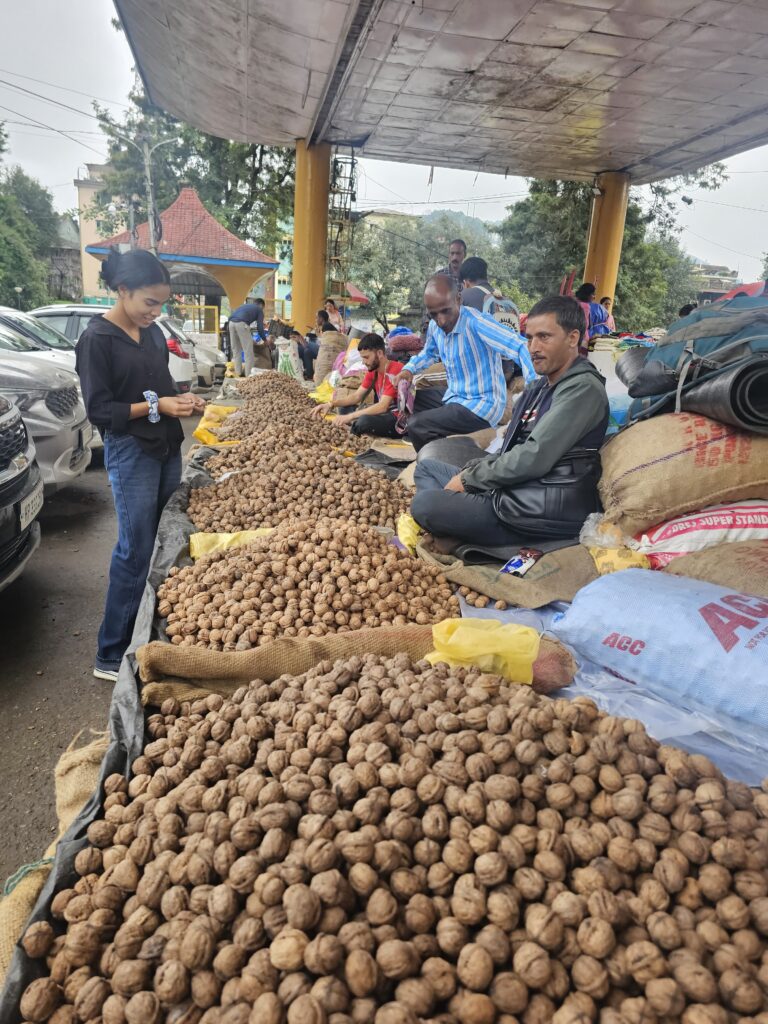
The festival is celebrated with grandeur across districts like Mandi, Kullu, Sirmaur, Shimla, Solan, and Chamba. On this occasion, people offer the first grains of the harvest—especially maize, buckwheat, barley, and horse gram—along with a sacred assortment of 10 to 20 plants, most of which hold immense medicinal value. This practice reflects the profound foresight of our ancestors, who through rituals preserved not just spirituality, but also nutrition, health, and biodiversity.
These plants fall broadly into three categories:
Medicinal Plants – such as Apamarg (Achyranthes aspera), Leucas grass (Koṭha), Datura, Tulsi, Hemp, Giloy, Castor, Amla, and Goolar. Traditionally used to boost immunity, maintain body balance, and treat ailments, these plants are still a treasure trove of traditional medicine.
Food & Nutritional Plants – including barley, maize, rice, colocasia, cucumber, pumpkin, guava, bottle gourd, and horse gram, all seasonal crops symbolizing natural nutrition and abundance.
Cultural & Symbolic Plants – like walnut, Peepal, Belpatra, Doob grass, and Shami, revered not only for religious purposes but also as symbols of harmony, gratitude, and social unity.
Interestingly, the selection of plants differs across regions and communities, reflecting both local biodiversity and cultural richness. What remains constant, however, is their deeper significance: medicinal use, ecological wisdom, and reverence for nature. It is this vision that has inspired people today to revive rare plants like Leucas lanata, once on the verge of extinction.

One of the most unique highlights of Sair is the exchange of walnuts. Considered sacred, walnuts are first offered to deities and then shared among family and relatives. This gesture strengthens bonds, carries nutritional benefits, and symbolizes wisdom, memory, and strength. No wonder walnuts are regarded as both a spiritual and social treasure.
In Mandi, often called “Chhoti Kashi” (Little Kashi) for its vibrant traditions, Sair transforms the local markets—especially Chotta and Seri Bazaar—into buzzing hubs of trade. Vendors and buyers not only come from nearby villages but also from districts like Chamba, Kullu, Hamirpur, and even states like Jammu & Kashmir. Walnuts, priced between ₹300 to ₹1000 per kilo depending on quality, witness trade worth lakhs within just a few days. For many sellers, this festival is an important source of livelihood, while for buyers, it is an opportunity to stock walnuts for the entire year.
Adding to the charm, rural women bring medicinal plants from forests or cultivate them specially to sell in Mandi bazaars. This not only sustains their income but also ensures that the sacred plants of Sair travel from villages to cities, keeping traditional knowledge alive.
The festival also brings with it the aroma of traditional delicacies—bhallas, dahi bhallas, kachoris, patrodu, pakoras, and sweets—that are lovingly prepared and shared with neighbors and relatives, reinforcing the values of community, joy, and togetherness.

At its core, Sair is a festival that binds faith, health, nature, and livelihood into one thread. It teaches us that even in the age of modernity, traditions carry timeless wisdom. The worship of medicinal plants, the exchange of walnuts, and the sharing of food are not mere rituals, but a call to reconnect with our roots, revive the use of healing plants in daily life, and embrace nature as the true foundation of our existence.
Our ancestors never worshipped plants just for faith—they honored them for their healing powers, nutritional benefits, and cultural value. Over time, we reduced them to symbols of devotion, neglecting their practical role in our lives. As a result, lifestyle diseases are on the rise. Today, the need is urgent: we must bring these plants back into our everyday lives—not just in worship, but in practice. This is the real message of Sair: gratitude to nature, harmony with life, and sustainability for the future.