
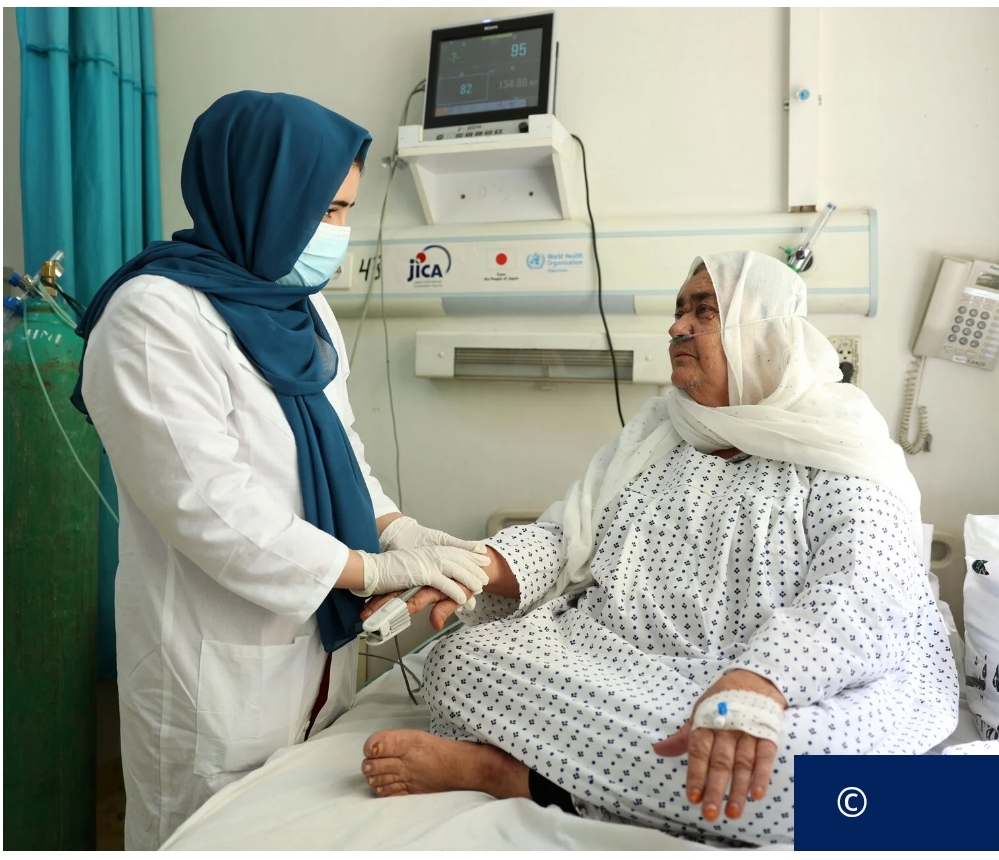
One in Six Bacterial Infections Resistant to Antibiotics, WHO Warns in Major Global Report.
Geneva:
A new report from the World Health Organization (WHO) has revealed an alarming rise in antibiotic resistance worldwide, warning that 1 in 6 laboratory-confirmed bacterial infections globally in 2023 were resistant to commonly used antibiotic treatments. The findings, released today in the Global Antimicrobial Resistance Surveillance Report 2025, underscore the escalating threat antimicrobial resistance (AMR) poses to global public health.
Drawing on data from over 100 countries, the WHO warns that resistance is increasing across multiple bacterial pathogens and antibiotic classes. Between 2018 and 2023, more than 40% of monitored pathogen-antibiotic combinations showed rising resistance, with an average annual increase of 5–15%. This trend, the report cautions, is outpacing the development of new treatments and weakening the effectiveness of existing antibiotics, placing millions at risk.
“Antimicrobial resistance is outpacing advances in modern medicine, threatening the health of families worldwide,” said Dr Tedros Adhanom Ghebreyesus, WHO Director-General. “We must use antibiotics responsibly and ensure universal access to diagnostics, medicines, and vaccines.”
Resistance Highest in South-East Asia, Eastern Mediterranean, and Africa
The report found that AMR prevalence varies widely by region. In South-East Asia and the Eastern Mediterranean, approximately 1 in 3 infections were antibiotic-resistant — the highest rate globally. In the African Region, 1 in 5 infections showed resistance.
These regions, often facing weaker health systems and limited diagnostic capacity, are bearing the brunt of drug resistance, exacerbating already fragile public health conditions. The report highlights how a lack of infrastructure for diagnosing and treating bacterial infections directly correlates with higher AMR rates.
Gram-Negative Bacteria Driving the Crisis
Particularly concerning are Gram-negative bacteria, which are becoming increasingly resistant and are harder to treat. The report identifies Escherichia coli (E. coli) and Klebsiella pneumoniae as the two most prevalent and dangerous drug-resistant pathogens in bloodstream infections, often leading to sepsis and death.
Globally, over 40% of E. coli and 55% of K. pneumoniae are now resistant to third-generation cephalosporins, which are typically the first line of treatment. In Africa, the resistance levels exceed 70%.

The crisis deepens with resistance to carbapenems and fluoroquinolones, two essential classes of antibiotics used as last-resort treatments. Resistance to carbapenems, once rare, is now increasingly common, especially in low- and middle-income countries, where access to effective alternatives is limited and expensive.
8 Priority Pathogens Identified
The report focuses on resistance trends in eight key bacterial pathogens linked to common infections, including:
- E. coli
- Klebsiella pneumoniae
- Acinetobacter spp.
- Staphylococcus aureus
- Streptococcus pneumoniae
- Neisseria gonorrhoeae
- Non-typhoidal Salmonella spp.
- Shigella spp.
These pathogens are responsible for a wide range of infections, from urinary tract infections and gastrointestinal illnesses to bloodstream infections and gonorrhoea.
Surveillance Improving, but Gaps Remain
While there has been significant progress in AMR surveillance, major gaps remain. The number of countries participating in the WHO’s Global Antimicrobial Resistance and Use Surveillance System (GLASS) rose from 25 in 2016 to 104 in 2023, but nearly half of WHO member states failed to report any data last year.
Furthermore, many countries that did report data lacked the laboratory capacity to generate reliable and representative AMR statistics, leaving blind spots in global efforts to track and address resistance trends.
To combat this, the United Nations General Assembly’s 2024 Political Declaration on AMR set targets for stronger health systems and a unified ‘One Health’ approach, integrating human, animal, and environmental health strategies.
WHO Urges Stronger Action by 2030
The WHO is now calling on all countries to submit high-quality AMR and antimicrobial usage data to GLASS by 2030. Achieving this target will require:
- Investing in laboratory systems and infrastructure
- Expanding surveillance to underserved and rural areas
- Ensuring national treatment guidelines reflect local resistance patterns
- Scaling up the availability of affordable diagnostics, vaccines, and medicines
- Strengthening coordination across sectors under the One Health umbrella
Digital Tools to Support Policy and Action
The report is accompanied by enhanced digital content via the WHO GLASS dashboard, offering:
- Regional and global summaries
- Country profiles
- Unadjusted surveillance coverage data
- Detailed trends in antimicrobial resistance and use
This data, WHO says, is critical for informing evidence-based policy decisions, treatment guidelines, and priority investments in research and development.
A Global Warning
The 2025 AMR report serves as a stark reminder that antibiotic resistance is not a distant threat but a present and growing crisis. Without urgent and coordinated global action, common infections could become untreatable, routine surgeries could become high-risk, and decades of medical progress could be reversed.
The clock is ticking — and the bacteria are not waiting.