Global Health Partners Unite in Istanbul to Advance Equitable Access to Medical Countermeasures.
WHO convenes 3rd Annual i-MCM-Net Meeting to strengthen preparedness and ensure timely response to future health emergencies.
Istanbul, Türkiye:
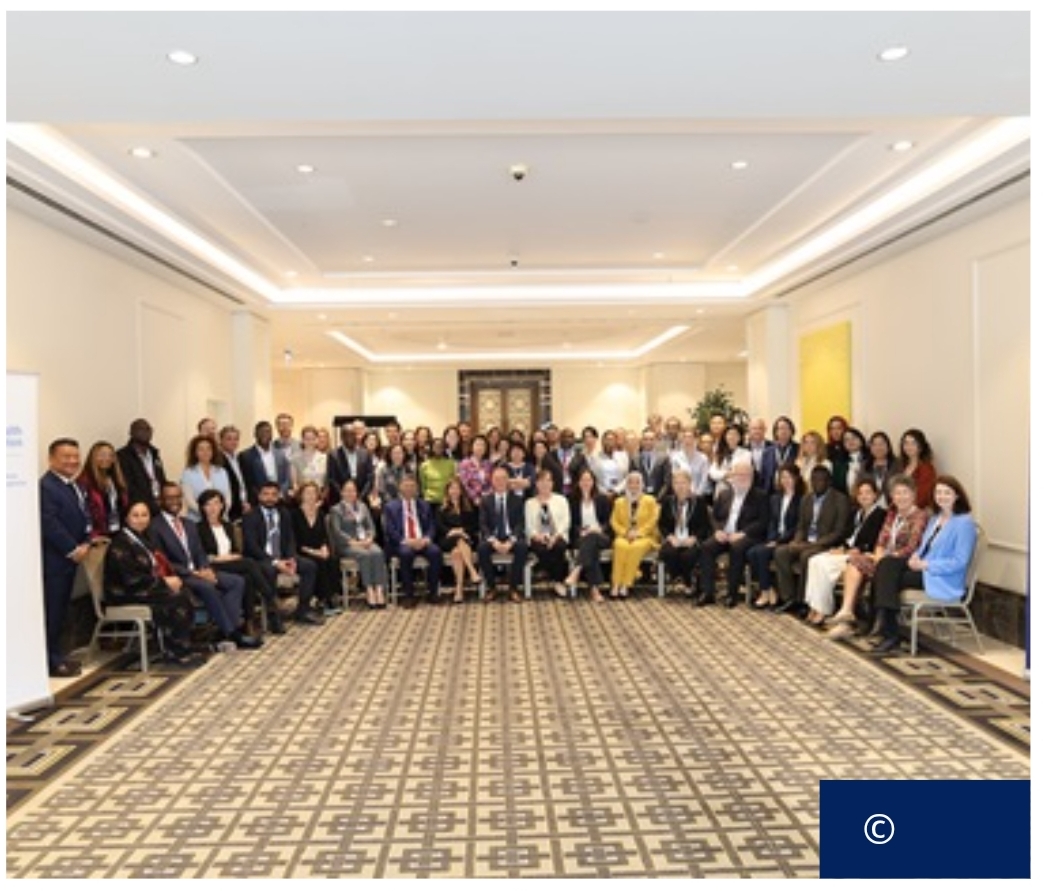
Global health leaders, experts, and partners gathered in Istanbul for the 3rd Annual Partners Meeting of the interim Medical Countermeasures Network (i-MCM-Net), convened by the World Health Organization (WHO) from 30 September to 1 October 2025. The two-day event brought together 85 participants from 30 organizations, including regional bodies, UN agencies, international development partners, academia, civil society, and the private sector, to discuss strategies for ensuring timely and equitable access to medical countermeasures (MCMs) such as vaccines, diagnostics, therapeutics, and essential health products.
Hosted by the i-MCM-Net Secretariat at WHO Headquarters in collaboration with the WHO Regional Office for Europe and its Centre for Preparedness for Humanitarian and Health Emergencies, the meeting served as a key platform to strengthen global collaboration in public health emergency preparedness.
Strengthening Global Preparedness and Equity.
The meeting aimed to accelerate progress toward equitable access to medical countermeasures, particularly for low- and middle-income countries, amid a rapidly evolving global health security landscape. Participants reviewed developments in the MCM ecosystem, explored strategies for regional implementation, and were updated on the Pandemic Agreement’s Pathogen Access and Benefit-Sharing (PABS) Annex negotiations.
Throughout the discussions, delegates reaffirmed that preparedness is a shared responsibility, requiring long-term cooperation across regions and sectors. Key themes emerging from the meeting included:
Bridging preparedness gaps: The i-MCM-Net remains a critical enabler in identifying emergency preparedness gaps and fostering multisectoral collaboration to ensure access to MCMs.
Building regional production capacity: Delegates underscored the need for political commitment, skilled workforce development, and technology transfer to enhance sustainable and scalable regional manufacturing.
Enhancing supply and procurement systems: Integrated data-driven supply chains and early government engagement were emphasized to prevent disruptions and ensure continuity.
Accelerating research and development (R&D): Adopting a “viral family approach” to R&D can expedite the creation of broad-spectrum medical countermeasures before the next pandemic strikes.
Closing the financing gap: Sustainable and equitable MCM access requires innovative financing models and strong transparency mechanisms to foster accountability and public trust.
Leveraging regional expertise: Utilizing regional networks for pooled procurement, regulatory alignment, and local manufacturing helps ensure that all countries—especially those with limited capacity—are included in global preparedness frameworks.
Sector-Specific Challenges and Solutions
Participants also addressed challenges across the MCM value chain, from early R&D to large-scale manufacturing and delivery, offering concrete solutions for improvement:
Vaccines: Constraints such as fragile manufacturing capacity and limited WHO prequalification in low- and middle-income countries were identified. Solutions included early technology transfer, targeted capacity building, and pooled procurement mechanisms.
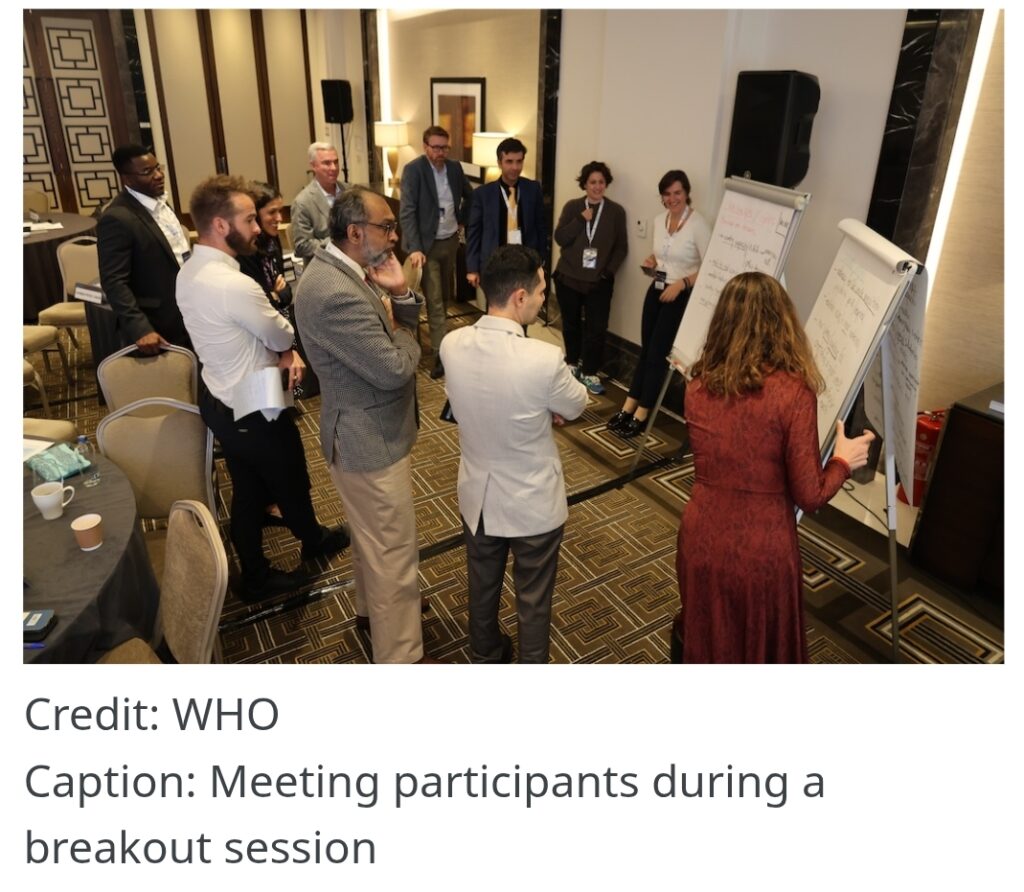
Diagnostics: Fragmented procurement and weak integration remain key barriers. Delegates proposed bundled procurement models and continuous gap assessments to improve efficiency and affordability.
Therapeutics: To address market instability and low investment, experts recommended push–pull financing models and coalition-building to stimulate sustainable demand and reduce R&D risks.
Looking Ahead: Turning Commitment into Action.
The meeting concluded with partners agreeing on 20 priority actions to be implemented over the next year. These actions will be consolidated into an operational plan co-developed by the i-MCM-Net Secretariat and its partners, focusing on collaboration and innovation across the MCM value chain.
The operational plan will align efforts across vaccines, diagnostics, and therapeutics, ensuring that scientific advancements are translated into timely, equitable, and practical solutions accessible to all countries.
As the world confronts increasingly complex health challenges, the i-MCM-Net continues to play a pivotal role in bridging global preparedness gaps until the WHO Pandemic Agreement comes into force.
In a closing statement, WHO representatives emphasized that the collective goal remains clear:
“No region should be left behind. Every country must have timely and equitable access to life-saving medical countermeasures when the next public health emergency arises.”