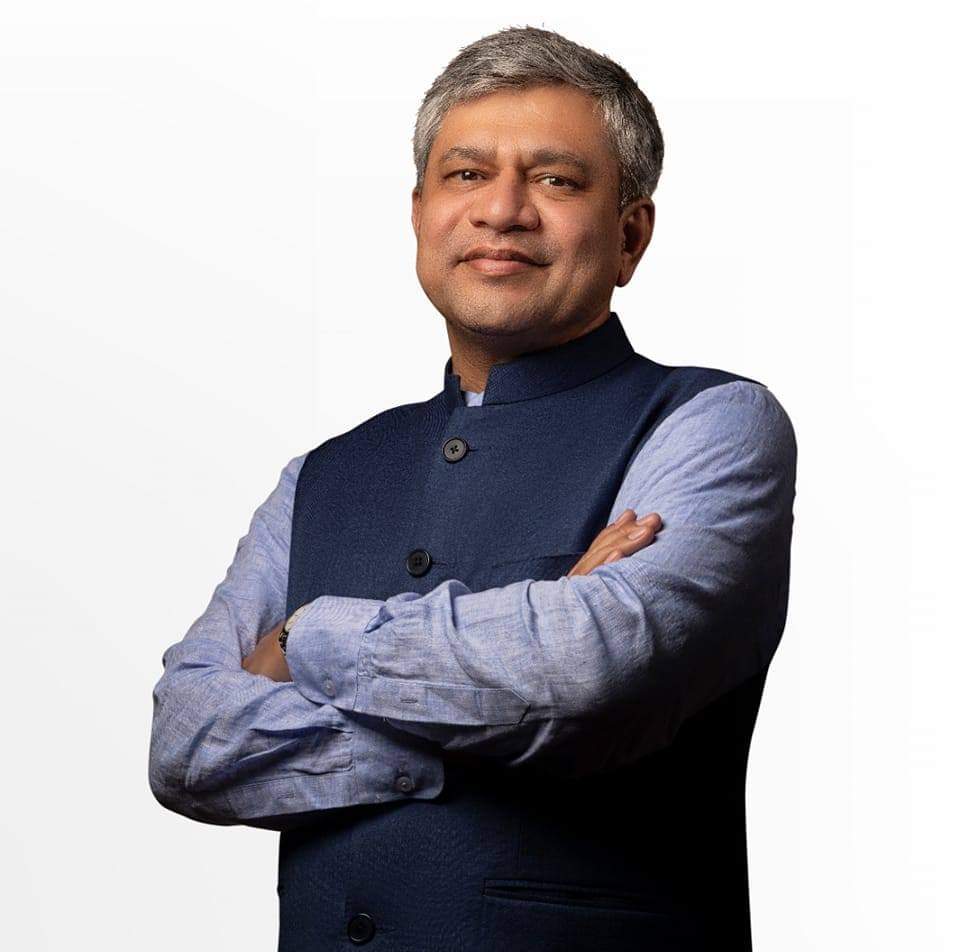

PM Modi Calls for Global Action to Integrate Traditional Medicine with Modern Healthcare at 2nd WHO Global Summit.
New Delhi:
Prime Minister Narendra Modi today underscored the growing global relevance of traditional medicine and called for collective international efforts to make it safer, evidence-based and more widely accessible, while addressing the valedictory session of the 2nd WHO Global Summit on Traditional Medicine in New Delhi.
Speaking at the three-day global summit, the Prime Minister said India was honoured to serve as a strong platform for meaningful dialogue on traditional medicine, with active support from the World Health Organization (WHO). He expressed gratitude to WHO Director-General Dr. Tedros Adhanom Ghebreyesus, Union Health Minister J.P. Nadda, Minister of State for AYUSH Prataprao Jadhav, ministers from various countries, ambassadors, experts and delegates from across the world for contributing to the success of the summit.
The Prime Minister highlighted that it was a matter of pride for India that the WHO Global Centre for Traditional Medicine was established in Jamnagar, Gujarat. He recalled that during the first Global Summit on Traditional Medicine in 2022, the world entrusted India with this responsibility, and said the Centre’s growing global influence reflects that confidence. The success of the second summit, he noted, stands as a strong example of how traditional knowledge and modern medical practices can converge to shape the future of holistic healthcare.
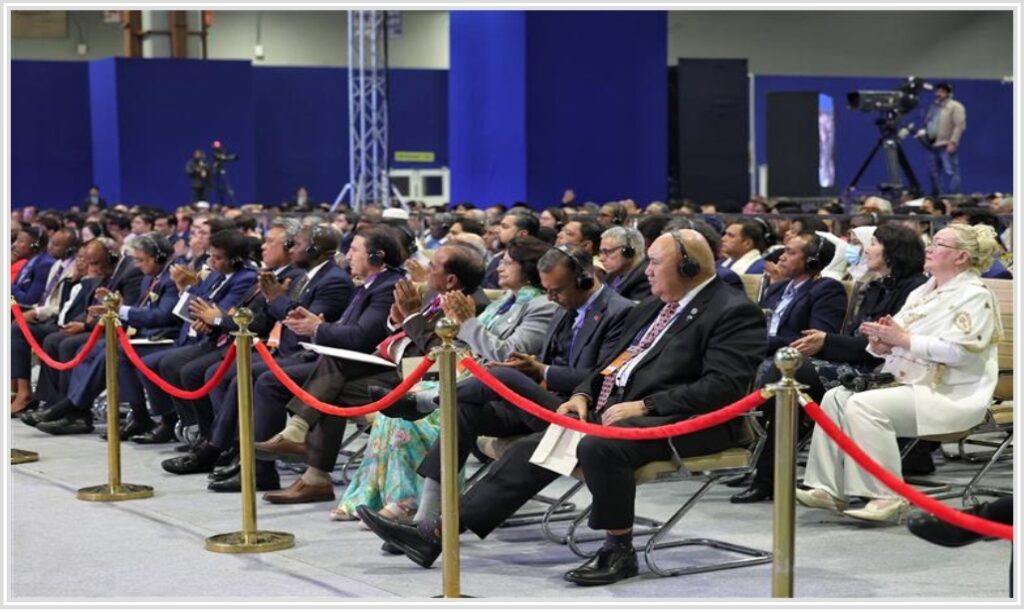
PM Modi said the summit witnessed in-depth discussions among health ministers and representatives from different countries, opening new avenues for joint research, simplified regulations, training, and knowledge sharing. Such collaboration, he added, would play a crucial role in making traditional medicine more reliable, safe and globally acceptable.
He said consensus on key issues such as strengthening research, expanding the use of digital technology, and creating globally trusted regulatory frameworks reflects the strength of international partnerships. The exhibition organised alongside the summit showcased digital health technologies, AI-based tools, research innovations and modern wellness infrastructure, highlighting a new collaboration between tradition and technology to enhance global health outcomes.
Emphasising the role of yoga as an integral part of traditional medicine, the Prime Minister said yoga has guided the world towards health, balance and harmony. He recalled that June 21 was declared as the International Day of Yoga by the United Nations with the support of over 175 countries. He congratulated the recipients of the Prime Minister’s Yoga Awards, stating that their dedication, discipline and lifelong commitment to yoga serve as an inspiration for society.
The Prime Minister welcomed the launch of the Traditional Medicine Global Library, describing it as a significant step towards preserving scientific data and policy documents related to traditional medicine on a global platform. He said the initiative, first announced during India’s G20 Presidency at the inaugural WHO Global Summit, has now become a reality and will ensure equitable access to reliable information for all countries.
PM Modi also praised the Delhi Declaration, which emerged from discussions among health ministers on standards, safety and investment. He said the declaration would act as a shared roadmap for the future of traditional medicine and commended the spirit of global partnership demonstrated at the summit.
During the event, the Prime Minister inaugurated the WHO South-East Asia Regional Office in New Delhi, calling it India’s humble contribution to global health. He said the office would function as a global hub for research, regulation and capacity building.
Highlighting India’s focus on “partnerships of healing,” PM Modi announced two key collaborations: the establishment of a Centre of Excellence for BIMSTEC countries and a joint initiative with Japan to integrate science, traditional practices and healthcare.
Referring to the summit theme, “Restoring Balance: The Science and Practice of Health and Well-being,” the Prime Minister said balance lies at the core of holistic health, particularly in Ayurveda. He pointed out that lifestyle imbalances are a major cause of modern health challenges such as diabetes, heart disease, depression and cancer, and stressed that restoring balance is no longer just a global cause but a global urgency.
He cautioned that rapid technological changes driven by AI and robotics would further challenge human lifestyles in the 21st century, making the role of traditional healthcare systems even more critical—not only for present needs but also for future generations.
Addressing concerns related to safety and scientific validation of traditional medicine, PM Modi cited Ashwagandha as an example of how India is advancing evidence-based research. He said global demand for Ashwagandha surged during the COVID-19 pandemic, and India is committed to validating such time-tested herbs through rigorous research to integrate them into global public health systems.
The Prime Minister also noted a shift in perception regarding traditional medicine, stating that it is no longer limited to wellness and lifestyle care but can play a significant role even in critical health conditions. He announced a joint initiative by the Ministry of AYUSH and the WHO Global Centre for Traditional Medicine to strengthen integrative cancer care in India by combining traditional systems with modern cancer treatment. Clinical studies on conditions such as anaemia, arthritis and diabetes, along with the growing participation of startups and youth, were helping traditional medicine reach new heights, he said.
Concluding his address, PM Modi said traditional medicine stands at a decisive moment. While it has supported large populations for centuries, it has not yet realised its full potential globally. He called for collective responsibility to build trust through science, expand accessibility and advance traditional medicine with respect and responsibility. He expressed confidence that the commitment and collaboration seen at the summit would pave the way for a stronger global future for traditional medicine.