
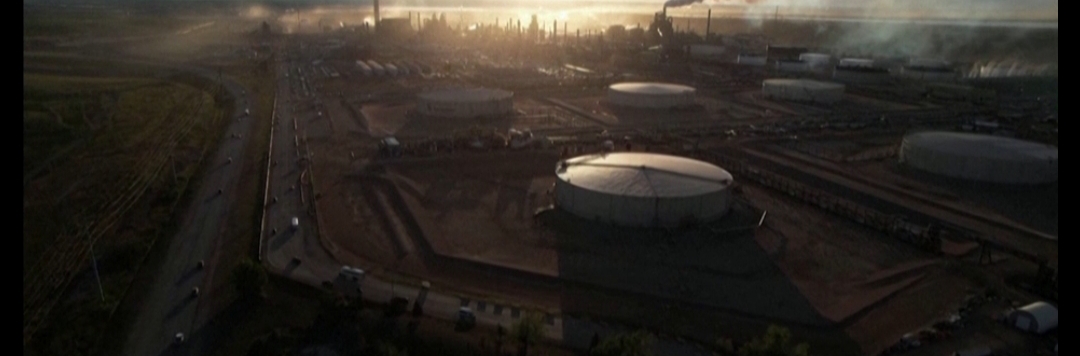
Oil Prices Surge Amid Gulf Shipping Attacks; Global Tensions Rise Across Middle East.
Middle East:
Global oil prices surged sharply after a series of new attacks on cargo ships in the Gulf region heightened fears of supply disruptions and escalating conflict across the Middle East.
At one point, oil prices briefly climbed to $100 per barrel, reflecting growing concerns among investors about the safety of key shipping routes used for global energy supplies. The spike came despite an international effort by 32 countries to stabilize markets by releasing 400 million barrels of oil from strategic reserves on Wednesday.
Fresh Attacks on Cargo Ships
The latest rise in prices follows attacks on three cargo vessels in the Gulf. According to reports, two oil tankers were struck by an “unknown projectile” near Iraq, while a container ship was hit by a similar projectile near the United Arab Emirates. Authorities are still investigating the incidents, and the identities of those responsible remain unclear.
These attacks have raised alarm about the security of shipping routes in the Gulf, a region through which a significant portion of the world’s oil supply passes.
Global Efforts to Calm Oil Markets
In response to the growing uncertainty, 32 nations agreed to release oil from their emergency reserves in an attempt to calm global energy markets and prevent further price spikes. The coordinated move aims to ensure that supply shortages do not worsen as geopolitical tensions intensify.
Despite the large-scale release of oil reserves, markets remain volatile due to the continuing threat to shipping and energy infrastructure in the region.
Trump Predicts Oil Prices Will Fall
Commenting on the rising prices on Wednesday evening, Donald Trump, President of the United States, said he believes the situation will stabilize soon.
“It’s going to come down more than we, than anybody understands,” Trump said, expressing confidence that oil prices will drop in the near future.
Escalation of Violence Across the Region
Meanwhile, violence across the Middle East has intensified. In Lebanon, new airstrikes carried out by Israel reportedly killed several people, including at least eight individuals in the seafront area of Beirut, the country’s capital.
At the same time, attacks attributed to Iran have been reported across multiple locations in the region. Incidents were reported in Bahrain and Oman, further raising fears of a broader regional conflict.
Growing Concerns Over Global Energy Security
The combination of shipping attacks, military strikes, and rising geopolitical tensions has intensified concerns about global energy security. Analysts warn that continued instability in the Gulf—one of the world’s most important oil transport corridors—could further disrupt supply chains and lead to prolonged volatility in global oil markets.
Governments and international organizations are closely monitoring the situation as diplomatic and security efforts continue to prevent further escalation.