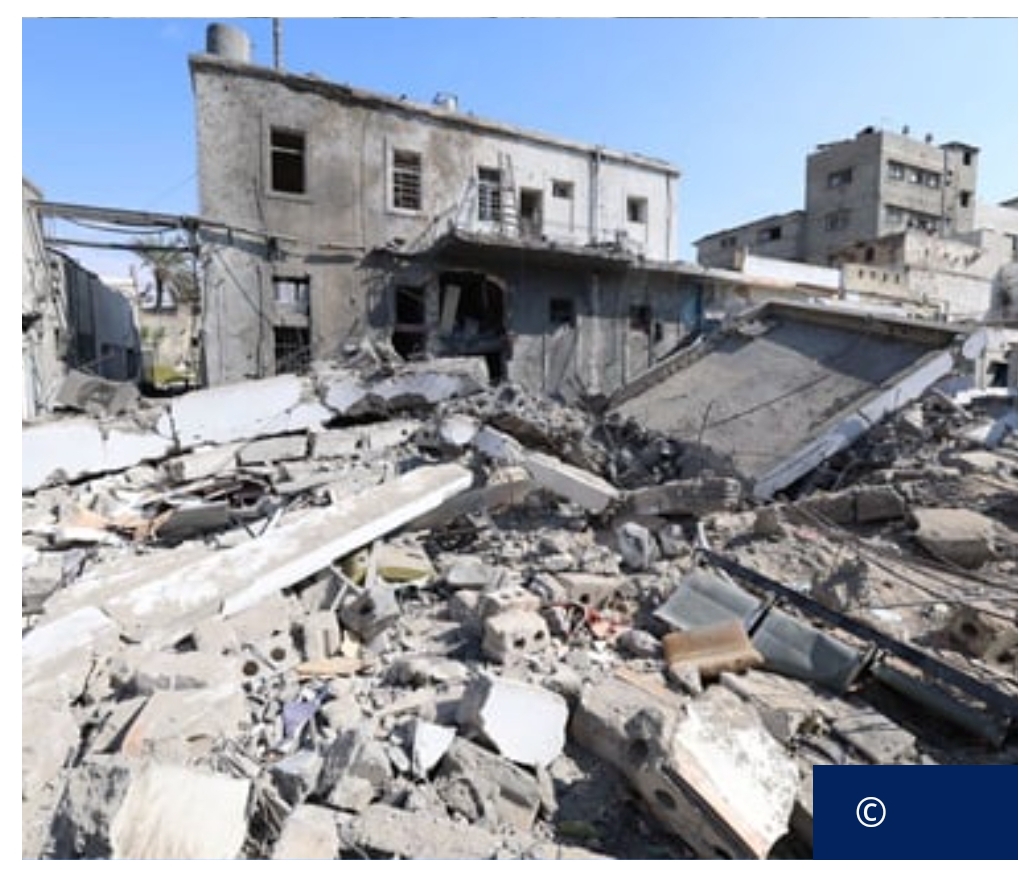
Global Leaders Condemn Iran Strikes, Warn of Energy Fallout and Threats to Strait of Hormuz.
Tehran:
Leaders from the United Kingdom, France, Germany, Italy, Netherlands, and Japan have issued a strong joint statement condemning Iran’s recent attacks on civilian infrastructure and its threats to maritime security in the strategically vital Strait of Hormuz.
The coordinated response comes amid escalating tensions in the Gulf region, with the leaders emphasizing that freedom of navigation remains a cornerstone of international law. In their statement, they called on Iran to immediately cease actions that could destabilize global trade routes and energy supplies.
“Freedom of navigation is a fundamental principle of international law,” the leaders stated, warning that the consequences of Iran’s actions would extend far beyond the region. “The effects will be felt by people in all parts of the world, especially the most vulnerable,” the statement added.
The group also expressed its readiness to support international efforts aimed at ensuring the safe passage of vessels through the Strait of Hormuz, a critical maritime corridor through which nearly 20% of the world’s energy supplies are transported.
Rising Energy Concerns
The geopolitical tensions have already begun to impact global energy markets. Gas prices have surged sharply across the United Kingdom and Europe following Iran’s reported strike on Qatar’s Ras Laffan Industrial City, one of the world’s largest liquefied natural gas (LNG) hubs located in Qatar.
Analysts warn that any prolonged disruption in the region could trigger further volatility in energy prices, placing additional strain on households and industries already grappling with economic pressures.
Escalating Regional Conflict
Iran’s attack is believed to be a retaliatory move following a strike by Israel on the South Pars gas field, a massive offshore energy reserve shared between Iran and Qatar in the Persian Gulf.
The exchange of strikes marks a significant escalation in regional tensions, raising concerns about the potential for broader conflict that could disrupt global energy supply chains and maritime security.
Global Implications
With the Strait of Hormuz serving as a lifeline for international oil and gas shipments, any instability in the region carries far-reaching consequences. The joint statement underscores growing international concern that continued hostilities could jeopardize not only regional stability but also the global economy.
Diplomatic observers note that the unified stance by major economies signals increasing pressure on Iran to de-escalate and engage in dialogue, as the world watches closely for further developments in the volatile Gulf region.