Trump’s Energy Dominance Push and Naval Strategy Spotlight U.S. Role in Global Stability.
Washington DC:
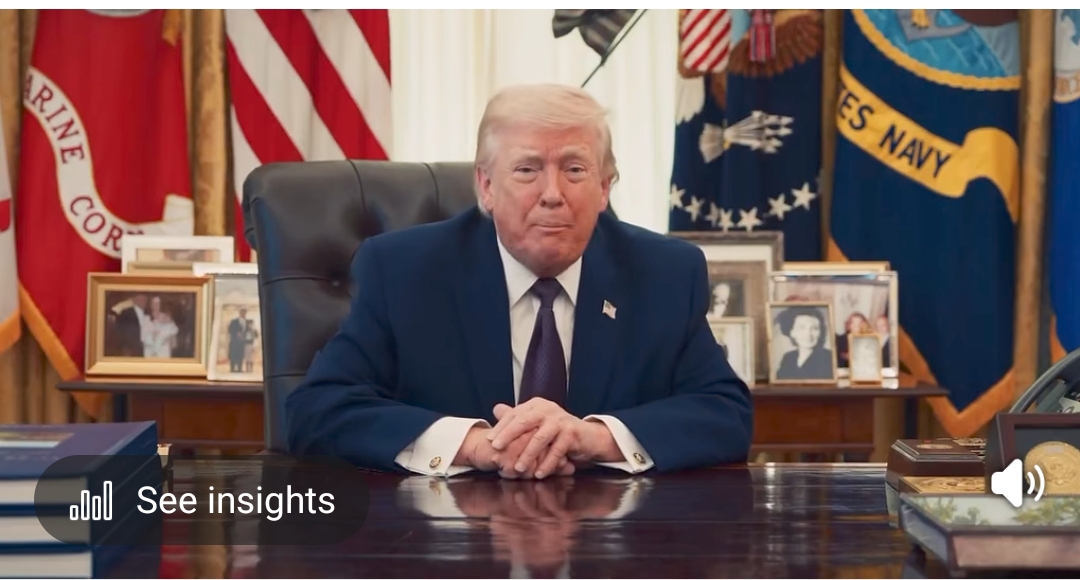
U.S. President Donald Trump has underscored American military and energy strength through a series of decisive measures aimed at countering tensions in the Middle East and reinforcing global energy security.
According to official statements, the administration has directed a strong U.S. naval presence in and around the Strait of Hormuz to ensure safe maritime passage amid rising concerns over regional instability linked to Iran. The move is being described as a strategic effort to safeguard international shipping routes that are vital for global oil supply.
As geopolitical developments unfold, the United States is positioning itself as a key energy supplier to the world. Backed by what is being termed an “energy dominance agenda,” the U.S. has achieved record-breaking production levels, strengthening its capacity to support nations impacted by disruptions in Middle Eastern oil flows.
Recent data indicates a surge in global shipping activity toward American ports. As of the latest reports, 167 crude oil tankers have declared destinations in the United States, including 103 empty vessels heading to load American crude. Among them are 54 Very Large Crude Carriers (VLCCs), each capable of transporting approximately two million barrels of oil. A significant number of these vessels are arriving from Europe and Asia, signaling growing international demand for U.S. energy exports.
The administration highlighted several key milestones in the country’s energy sector. U.S. natural gas production has reached a record 118.5 billion cubic feet per day, with further increases projected in the coming years. Additionally, the United States has surpassed 100 million metric tons in annual liquefied natural gas (LNG) exports—an unprecedented achievement.
Oil production has also climbed to an all-time high of 23.6 million barrels per day, alongside record offshore output. Policy measures supporting expanded exploration and production include the opening of new areas for development and the approval of nearly 6,000 drilling permits across federal and Native American lands.
Officials assert that the United States now produces more oil than Saudi Arabia and Russia combined, and more natural gas than Russia, Iran, and China combined—figures that reinforce America’s leading role in global energy markets.
The developments highlight a broader strategy that integrates military readiness with economic strength, positioning the United States as both a stabilizing force in global security and a reliable energy partner for countries worldwide.