
Nepal Flash Floods: Death Toll Rises to 469, Nearly 1,000 Still Missing as Rescue Efforts Continue.
Kathmandu:
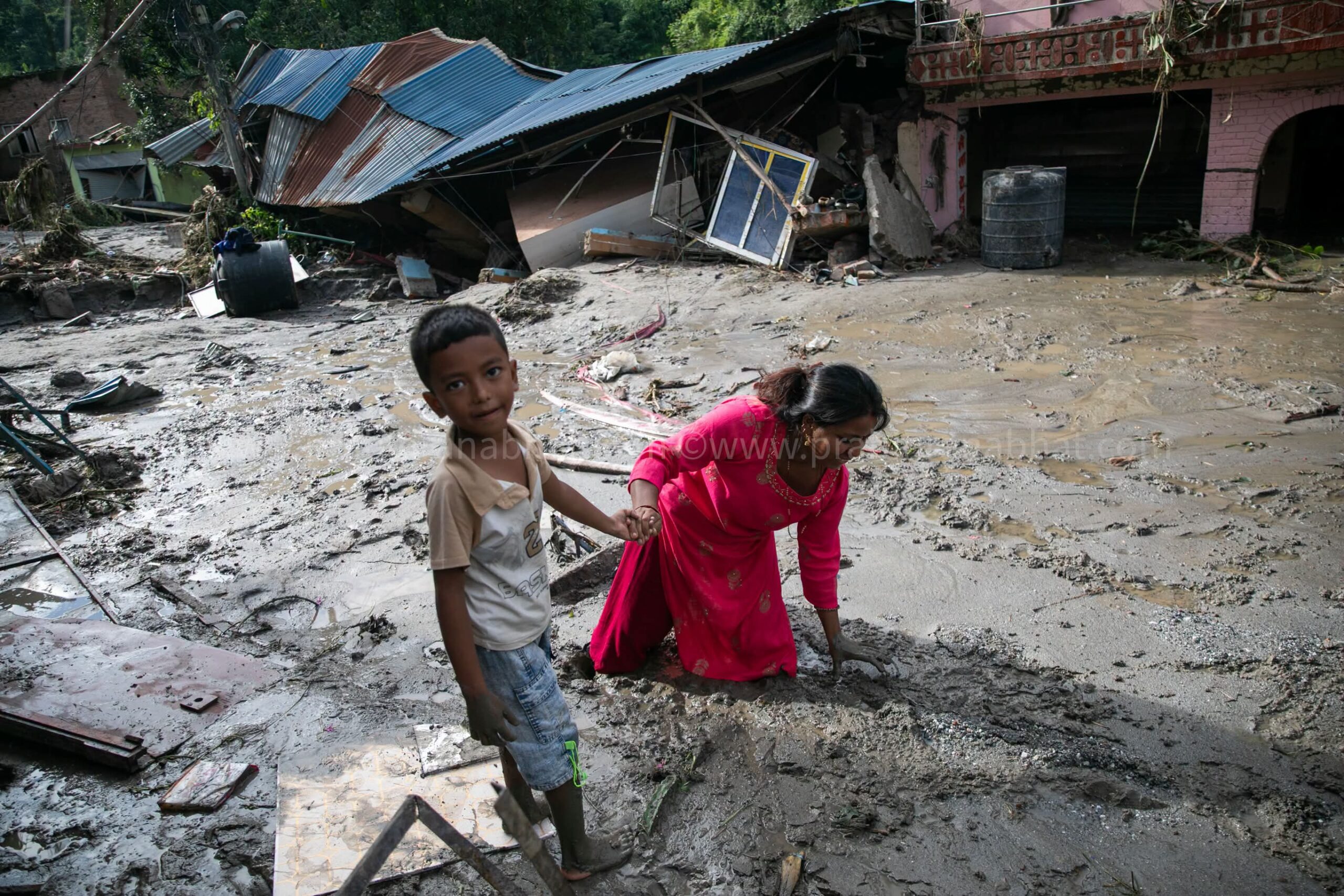
The death toll from devastating flash floods in Nepal has risen to 469, Nepal Police said on Friday, as rescue teams continued searching through tonnes of mud, rocks and debris for survivors. Nearly 1,000 people remain missing in Nepal and neighbouring Tibet, raising fears that the number of casualties could increase further.
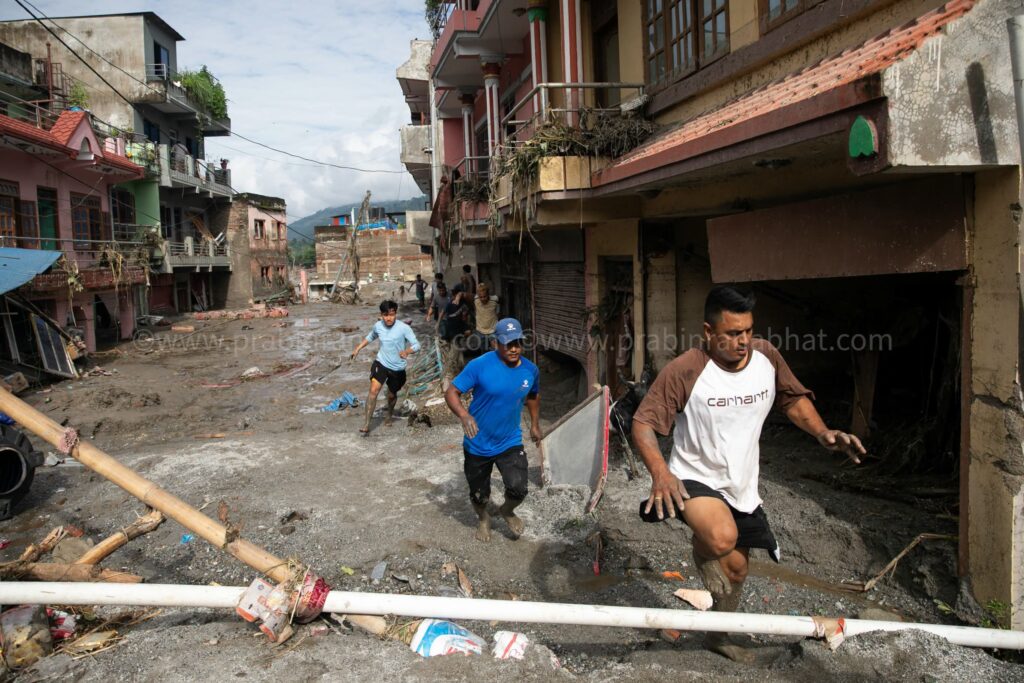
The disaster struck two days ago after a glacier collapse in the Himalayan region triggered a massive surge of water, ice, rocks, mud and other debris through river systems. The sudden torrent swept through villages and valleys, destroying homes, roads, bridges and power infrastructure along a key route connecting Kathmandu with Lhasa in Tibet.
The affected region is also popular among trekkers, pilgrims and tourists, raising concerns about the fate of people who were travelling through the area when the floods struck.
Hundreds of Foreigners Missing
Authorities said that of the people still missing, at least 540 are foreigners. Search and rescue operations have therefore been expanded, with officials using helicopters and heavy machinery to reach isolated communities and clear debris.
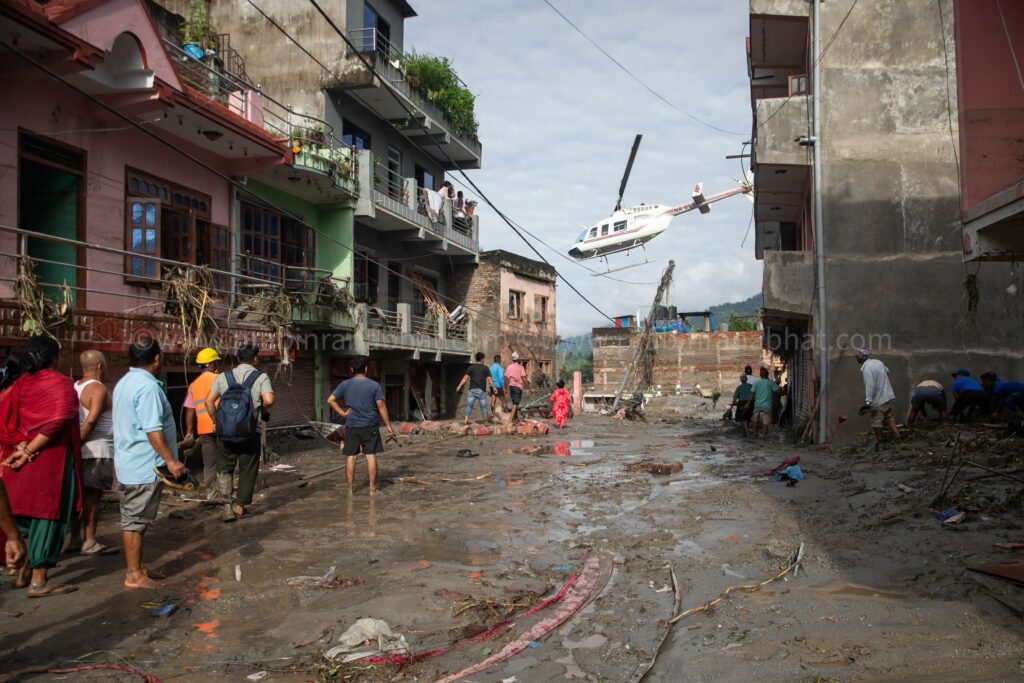
Rescue teams have been delivering emergency supplies by air to thousands of people who remain cut off in remote towns and valleys. Emergency workers, including teams using sniffer dogs, have also been searching the flood-hit areas and recovering bodies that were carried downstream by the powerful floodwaters.
Survivors Rescued From Worst-Hit Areas
One of the survivors rescued from the severely affected town of Rasuwa was Dibga Tamang, who was airlifted on Thursday along with three other people to an army camp in Nuwakot.

Tamang described the devastation as overwhelming, saying that he had lost everyone close to him.
“All of our people have gone. They are dead.” He added that he had no one left waiting for him and described the destruction as the end of everything he knew.
Fresh Flooding Threat Emerges
Even as rescue teams continue their search, authorities are facing another major danger: fresh flooding caused by water and debris accumulating in blocked river channels.
Nepal’s disaster management authorities warned that a lake has formed after debris blocked the Bhotekoshi River near the flood-hit area. Officials said the water level in the newly formed lake was continuing to rise, creating a risk that the natural blockage could fail and release another devastating surge downstream.
Across the border, Chinese authorities also warned of an additional threat. Around 3 million cubic metres of water, equivalent to roughly 1,200 Olympic-sized swimming pools, is expected to flow into an already dammed lake over the next three days.
The additional water could put further pressure on the existing blockage and increase the risk of flooding in downstream areas.
Rescue Operations Underway Amid Difficult Conditions
Rescue operations have been complicated by destroyed roads and bridges, unstable terrain and large quantities of mud and debris. Helicopters have become crucial for reaching communities that cannot be accessed by road.
Heavy machinery is being used to clear roads and search through collapsed structures, while emergency teams continue efforts to locate people who may still be trapped or stranded.
With hundreds confirmed dead and nearly 1,000 people still unaccounted for, authorities fear the scale of the disaster could become even greater. Officials are simultaneously racing against time to rescue survivors, provide essential supplies to isolated communities and prevent a second wave of flooding from causing further loss of life.
The disaster has left large areas of the Himalayan region facing a humanitarian emergency, with damaged infrastructure, displaced communities and continuing risks from unstable rivers, blocked waterways and further flooding.