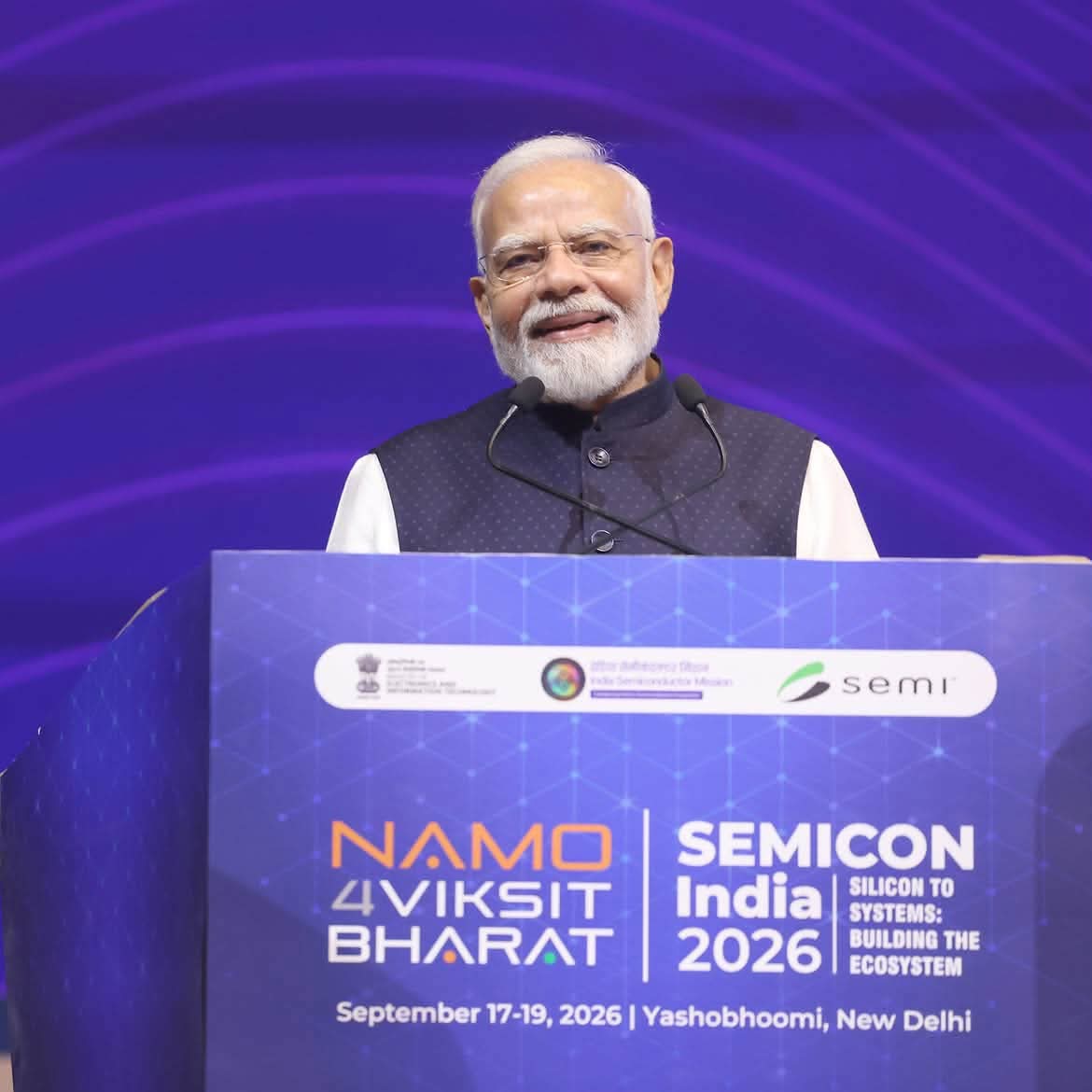
PM Modi Inaugurates SEMICON India 2026, Says India Emerging as Trusted Semiconductor Manufacturing Hub.
New Delhi:
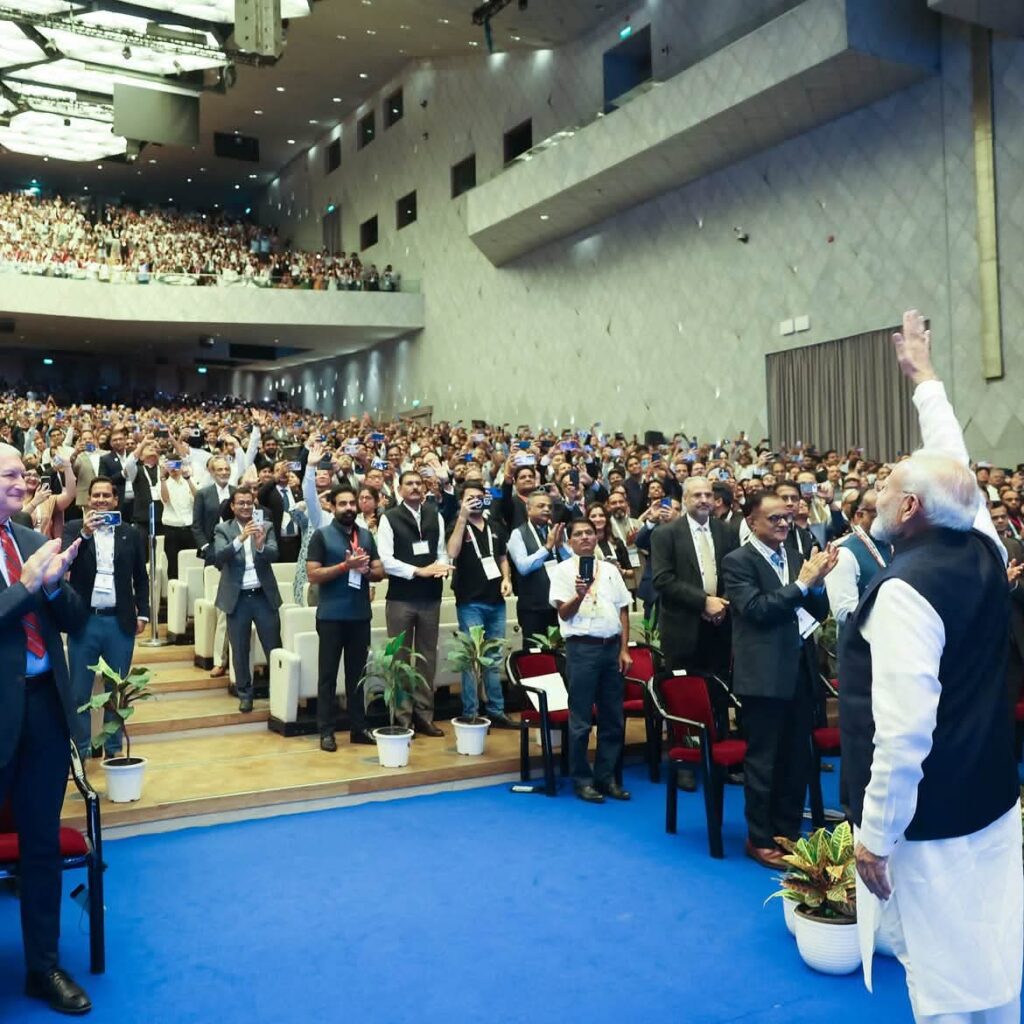
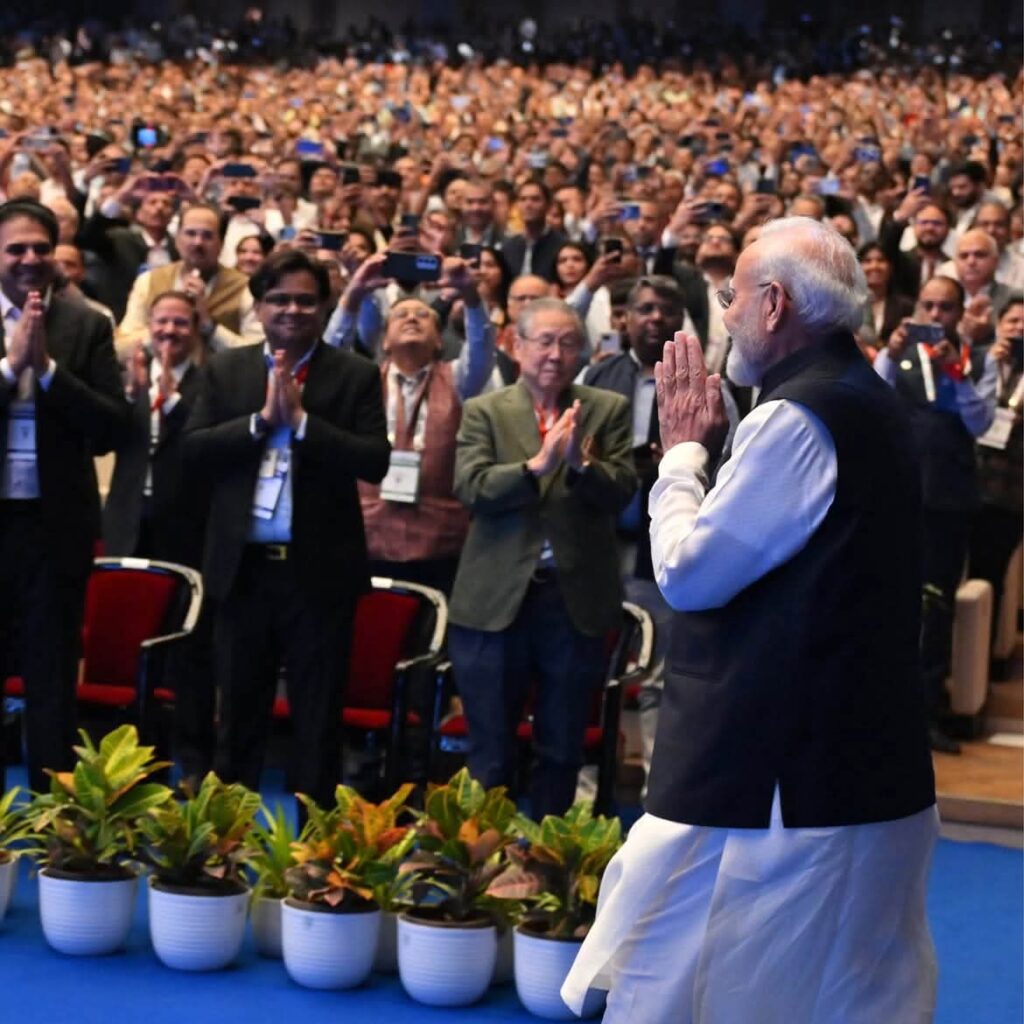
Prime Minister Narendra Modi on Thursday inaugurated SEMICON India 2026 in New Delhi, highlighting the rapid expansion of India’s semiconductor ecosystem and calling for greater investment, research and collaboration to strengthen the country’s position in advanced technology and manufacturing.
Addressing the fifth edition of the event, Modi welcomed participants from India and abroad and linked the semiconductor sector with India’s long-standing tradition of innovation and creation. He said the convergence of traditional capabilities with 21st-century technology is contributing to the vision of a self-reliant and developed India.
Highlighting recent economic and infrastructure developments, Modi said India’s economy is growing while global confidence in the country is increasing. He referred to recent developments including discussions at the Global Fintech Fest, the operationalisation of a 3,000-kilometre Dedicated Freight Corridor and quarterly GDP growth of 7.8 per cent. He also cited a sovereign rating upgrade by a Japanese credit rating agency as an indication of India’s growing economic credibility.
Recalling the evolution of the Semiconductor Mission since its launch in 2022, Modi said India has progressed from policy formulation and project planning to pilot production and commercial manufacturing. He noted that chips produced in Indian facilities have begun reaching customers in India and abroad, while commercial production has commenced at new plants in Mohali and Surat.
The Prime Minister said building a semiconductor ecosystem requires capabilities across chip design, equipment manufacturing, testing and other areas. He credited industry partnerships for contributing to the sector’s development and said the government was continuing efforts to support new projects.
Modi announced the second phase of the Semiconductor Mission with an outlay of $13.5 billion, along with regulatory reforms aimed at facilitating collaboration among international companies, startups and design firms.
Emphasising the need for a strong domestic supply chain, he called for greater development of fabless semiconductor companies, intellectual property and silicon photonics. He also urged companies involved in equipment, chemicals, gases and materials to take advantage of opportunities emerging from approved semiconductor projects and growing demand.
The Prime Minister highlighted India’s large pool of engineering talent and ongoing skilling initiatives in chip design. He said the government aims to train one lakh engineering students, with around 70,000 already trained.
Calling for greater participation of young researchers, Modi urged Indian talent working in the country and abroad to contribute to the development of advanced technologies in India. He also asked industry leaders to expand research and development activities within the country, saying this could benefit both industry and India’s youth.
Addressing the changing semiconductor landscape driven by the rapid growth of artificial intelligence, Modi said the industry is increasingly focusing on complete system integration, including memory placement and heat management, rather than only transistor size.
He also highlighted the growing energy requirements of AI data centres and semiconductor manufacturing. Modi pointed to India’s expansion of solar power capacity, the opening of the nuclear energy sector to private participation and plans involving small modular reactors as part of efforts to strengthen energy security.
The Prime Minister said reliable power infrastructure would remain a key foundation for the growth of India’s semiconductor ecosystem and reiterated the government’s objective of making India a preferred destination for semiconductor investment and manufacturing.
Concluding his address, Modi linked India’s technological ambitions with its democratic and constitutional foundations and invited global industry stakeholders to participate in the opportunities emerging from India’s expanding semiconductor ecosystem.